Using and Preserving Herbs – Fox 8
I was so happy to be on New Day Cleveland recently. Got a chance to talk about cooking with herbs and also a little about how to preserve them. Thanks to David Moss and the rest of the crew for making me feel so welcome.
http://fox8.com/2015/08/12/how-to-use-and-preserve-your-summer-herbs/
—
Roasted Beet Salad
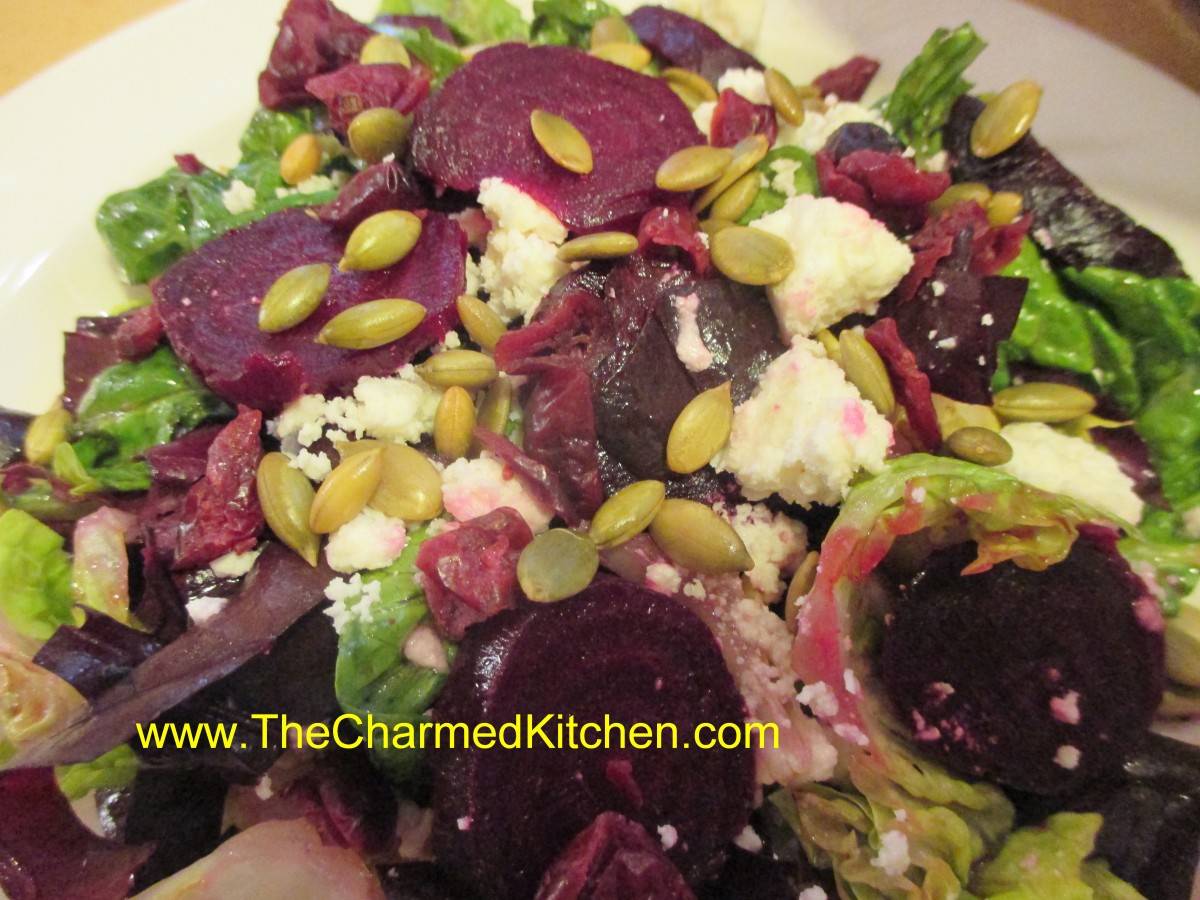
Roasted Beet Salad
I got these beautiful beets a couple of days ago. Very fresh and the leaves are even dark red. I had been thinking of how I wanted to cook them. Decided to roast them and then go from there. To roast beets: just wash them and trim off the greens- leaving about an inch of the stems to reduce bleeding. Place beets in a roasting pan and drizzle with a little oil. Cover pan and place in a 350 degree oven for about 45 minutes. Smaller beets will be cooked in less time- about 35 minutes. Really large beets could take up to an hour. I always check by poking one of the beets with a fork. Let the beets cool a little and then remove the peels. I use a knife to do this. They come off quite easily.
I used three small beets to make this salad for lunch. A friend was stopping in and it was hot. I wanted something cool and refreshing.
Roasted Beet Salad
1 small head Bibb lettuce, washed and sliced into thin slices
2 c. beet greens, washed and sliced thin
1/4 c. olive oil
3 T. red wine vinegar
2 t. sugar, optional
3 small roasted beets, peeled
1/2 c. crumbled feta cheese
1/4 c. hulled pumpkin seeds, toasted
1/4 c. dried cherries
sliced cooked steak, optional
coarse sea salt- I used pink salt
Combine lettuce and beet greens in a mixing bowl. Combine olive oil with vinegar and sugar, if using. Add salt and pepper to taste and toss over the greens. Slice beets. Divide greens on 2 salad plates. Arrange half of the beets on each salad and top with the rest of the ingredients. Sprinkle with a few grains of the sea salt and serve. Makes 2 luncheon salads.
Homemade Graham Crackers

Homemade Graham Crackers
This whole project of making graham crackers started with an innocent conversation with a friend. I had made marshmallows. It was winter and we enjoyed them in hot cocoa. Homemade marshmallows are so much better than store bought, and are pretty easy to make. My friend was talking about what wonderful S’mores they would make. I said something about if I was going to make marshmallows I could make graham crackers, too. We decided to make them some time in this summer. So here we are. I wanted to make something special for a friend’s birthday and she loves S’mores. Seemed like the right time.
I had made graham crackers before, but it had been years. They weren’t all that hard to make. Rolling them to the right thickness was the hardest part. You want them pretty thin, but not too thin. I think my first batch was too thin. It got easier as I went along. They taste really good and are not as sweet as grahams crackers you get at the store. If you like a sweeter cracker, add a little more sugar. I like them the way they are. Here is the recipe. The link to the marshmallow recipe is at the bottom of the post. Now I just have to get chocolate and we are good to go.
Graham Crackers
1 c. whole wheat flour or whole wheat pastry flour
1 c. all-purpose flour
1/3 c. sugar
½ t. salt
1 t. cinnamon
1 t. baking powder
1 large egg
¼ c. oil
¼ c. honey
2 to 3 tablespoons milk
additional milk for glaze
cinnamon-sugar (optional)
In a mixing bowl, combine whole wheat flour, all-purpose flour, sugar, salt, cinnamon and baking powder. In a separate bowl, beat egg till light, add oil, honey and 2 tablespoons milk. Stir into dry ingredients until you have a fairly stiff dough, adding additional milk if necessary. Wrap dough in waxed paper and chill until firm, about 1 hour (or longer, if it’s more convenient).
Turn the dough onto a floured surface and knead gently until it holds together. Roll dough out till it’s about 1/16-inch thick; make sure rolling surface is well-floured, or you’ll have trouble transferring crackers to baking sheet. Preheat your oven to 350°F.
Cut dough into 3-inch squares, prick each square several times with a fork, and place on lightly greased cookie sheets. Brush the tops with milk, sprinkle with cinnamon-sugar if you’re so inclined, and bake for 12-15 minutes, or until crackers are lightly browned. Remove crackers from oven, transfer to a wire cooling rack, and cool completely. Makes about 2 dozen graham crackers.
As promised here is the recipe for making marshmallows. I’ve used this recipe for ages and what I like about it is that it is super easy and still gives you yummy marshmallows. I’ve seen more complicated versions- but why make life harder than it already is? The recipe calls for packets of gelatin. If you want to use sheet gelatin instead, which I did, the adjustments are in the directions. Ether works fine.
Marshmallows
1/2 c. cornstarch
1/2 c. powdered sugar
small amount of butter
2 envelopes unflavored gelatin, or 6 sheets of gelatin*
1/2 c. granulated sugar
1/3 c. water
2/3 c. corn syrup
1/2 t. vanilla
Combine cornstarch and powdered sugar in a small bowl. Butter an 8x8x2 inch-baking pan. Sprinkle with some of the cornstarch mixture. Reserve the rest of the mixture for use later on. Combine the gelatin, granulated sugar and water in a small saucepan and cook over low heat, stirring constantly until gelatin is dissolved.** Pour gelatin mixture into a large bowl, adding the corn syrup and vanilla. Beat with an electric mixer on high speed for 15 minutes. Be precise on the timing. The mixture will be thick and fluffy, marshmallow cream, actually. Pour mixture into the prepared pan, spread evenly and refrigerate overnight. The next day, sift some of the reserved cornstarch mixture over the marshmallows. Sprinkle some more of the coating mixture on a work surface and turn the marshmallow out onto the prepared surface. Cut the marshmallows into 1-inch squares, coating as you go. The marshmallows are very sticky until completely coated. Allow to dry on a rack. Store in an airtight container for up to 3 weeks. Makes about 4 dozen candies.
You can swap out flavorings- using maybe mint or lemon in place of the vanilla. You can also add a few drops of food coloring, if you like. Oh, and when you are at the rolling the pieces around in the cornstarch and powdered sugar stage of the process- don’t wear black. You’ll thank me later for that.
* Note: 3 sheets of sheet gelatin= one packet (1 tablespoon) of powdered gelatin.
** Note: If you are using sheet gelatin place it in the pan with COLD water and stir until dissolved. Then add the sugar and just cook, over medium-low heat until just warm, stirring often. Don’t let the mixture get too hot or the gelatin will not work.
Dissolve gelatin in water
Cook with water and sugar until warm
Fresh Pea Soup with Lovage

Fresh Pea Soup with Lovage
This soup is great for summer because you can eat it hot or cold. It has a creamy texture but is still kind of light. The lovage adds a great green flavor. Lovage is a perennial herb that tastes like celery. The leaves add a nice element to this soup and pairs well with the peas. If you don’t have lovage, celery leaves could be used. I used fresh pea pods, but frozen would be OK, too.
Fresh Pea Soup with Lovage
2 T. butter or oil
1 medium onion, chopped
2 c. fresh English peas, pea pods (sliced), or sugar snaps (sliced)
¼ –½ c. fresh lovage leaves, chopped fine
3 c. chicken stock or veggie stock
salt and pepper to taste
1 c. sour cream
Heat butter or oil in medium saucepan. Sauté onion until tender. Add peas, lovage, stock, and salt and pepper. Cook until peas are the desired tenderness, about 3 – 7 minutes. Puree soup in batches until smooth. Place sour cream in a small bowl. Ladle 1 cup of hot soup into the sour cream, and stir to smooth. Pour this mixture into the soup and cook, barely simmering, until soup is heated through, about 2 minutes. To serve, ladle into bowls and garnish with lovage sprigs. Serves 3 – 4.
Note: You can also serve this soup cold.

Lovage
Basil Butter Cookies

Basil Butter Cookies
I love basil so much I once owned a cat named Basil. I make pesto and use basil in almost every tomato dish I make. You don’t always have to use basil in savory dishes. Its flavor actually compliments sweet dishes, too. I used dried basil in these butter cookies and the flavor is wonderful. To add a little extra pop of flavor, I finished the cookies with a lemon glaze. Here is the recipe. I hope you like it.
Basil Butter Cookies with Lemon Glaze
1 c. butter
1 c. sugar
1 egg
1 t. vanilla
2 ¼ c. flour
1 T. dried basil
1 t. baking powder
¼ t. salt
Glaze
2 c. powdered sugar
2-3 T. lemon juice- or enough to make a thin glaze.
Beat sugar and butter together until fluffy and then beat in egg and vanilla. Combine dry ingredients and stir into butter mixture. Chill dough at least a couple of hours. Roll dough into ¾-1 inch balls. Place 2 inches apart on ungreased baking sheet and bake in a preheated 375 –degree oven for 8-10 minutes. Cookies will flatten somewhat. Make glaze and dip the top of the cooled cookies in the glaze. Glaze will harden a little as the cookies set. Makes about 6 dozen cookies.
Basil Pesto

Basil Pesto
I can’t make pesto without wanting to call it green spaghetti. I had friends over for dinner one night. Their son was about 4 at the time. I had made pesto and tossed it over hot spaghetti. The little boy wasn’t quite sure about the big, green plate of pasta. He did agree to try it. Turned out he really liked it and after that, when he came for dinner, he would ask for “Aunt Judi’s green spaghetti”.
Pesto is most often made with basil, but there are a lot of variations out there. I must admit to being a big fan of the original. I make it often when I have fresh basil. I also freeze basil with olive oil, so I can make it all year long. Pesto can be tossed with pasta, rice, potatoes or other veggies. I also like it on chicken.
Pesto Sauce
1 c. tightly packed basil leaves
1/4 c. olive oil
3-4 cloves garlic
Salt to taste
1/2 c. pine nuts, sunflower seeds, pecans or walnuts
1 c. fresh grated Parmesan cheese
Combine all ingredients, except the cheese, in a blender and mix until smooth. Stir in the cheese and toss over hot, cooked pasta or use as a sauce on meat and poultry. Sauce will keep a few days in the fridge and makes about 1 1/2 cups, enough for 1 lb. of cooked pasta.
Creamy Fresh Tomato Soup

Creamy Tomato Soup
This is a great recipe for some of those fresh tomatoes. A simple soup, with lots of flavor, it is a favorite of mine. I enjoy it served hot, but have been known to eat this soup cold, too. I prefer to use fresh tomatoes, but have also used my home canned tomatoes in a pinch. If you want a stronger tomato flavor- use a couple extra tomatoes.
Creamy Fresh Tomato Soup
3 medium-sized ripe tomatoes
1 small onion, chopped fine
1 rib celery, chopped fine
Pinch of sugar, optional
3 whole cloves
1 small bay leaf
3 T. butter
3 T. flour
1 t. salt
3 c. milk
Peel and chop tomatoes. Place tomatoes in saucepan with onion, celery, sugar (if adding), cloves and bay leaf. Bring mixture to a boil; reduce heat and cover, simmering 15 minutes. Melt butter in a large saucepan then stir in flour and salt. Cook mixture until bubbly. Add milk and cook until thickened stirring constantly. Puree tomato mixture through strainer, food mill or in a blender or processor. Add to milk mixture and heat through. Serves 6.
Herbes de Provence
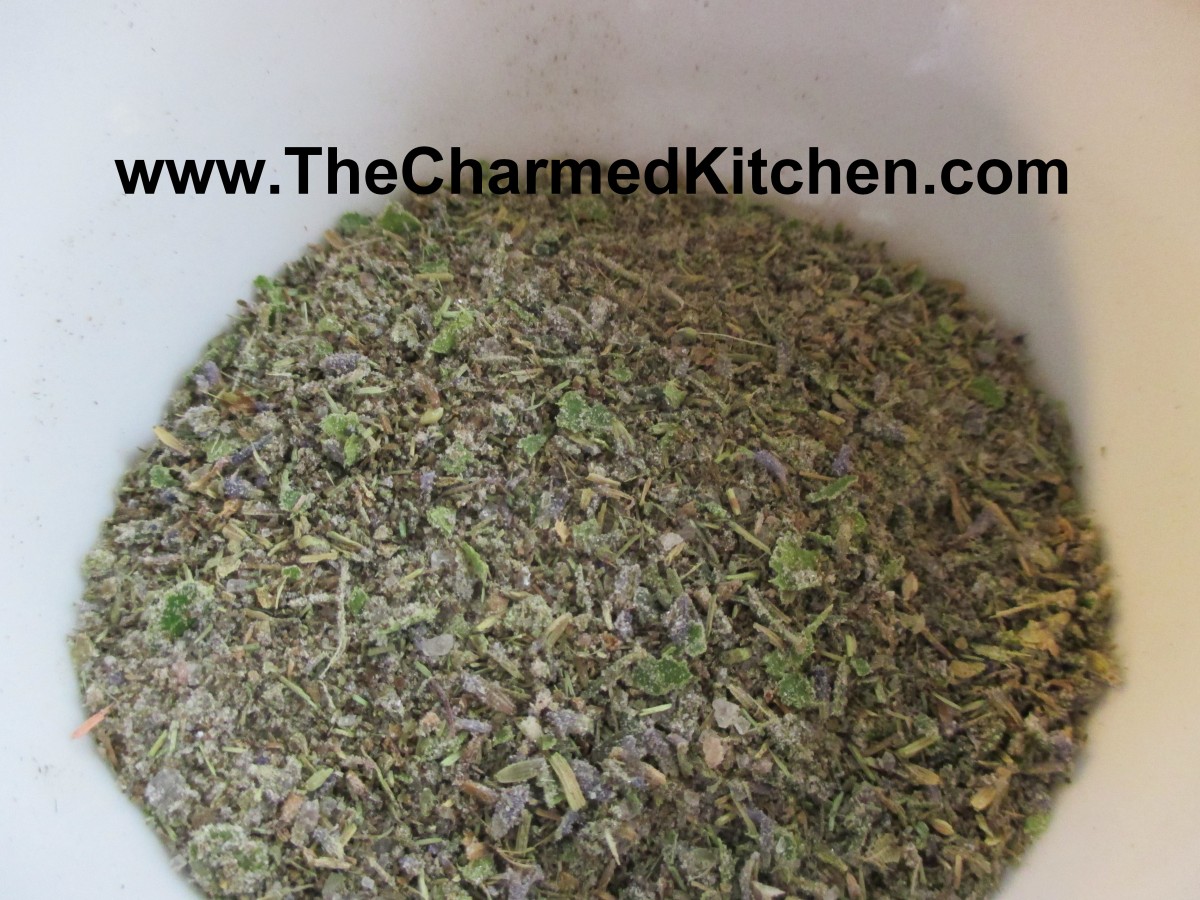
Herbes de Provence
I like making my own herb and spice blends. It gives me the chance to use my own fresh seasonings and to make them the way I like. Herbes de Provence is a favorite of my friend, Amy. We were getting together for a dinner with some friends and since we were having lamb and Herbes de Provence goes well with lamb, it was a no-brainer. Herbes De Provence is a blend of thyme, basil, bay leaves, lavender, savory and rosemary. It had a rich, almost floral flavor that goes well with lamb, beef, pork, duck and fish. I used a mix of fresh and dried herbs, so any leftover would be stored in the freezer. Dried herbs can also be used for a shelf stable blend. I rubbed the Herbes de Provence all over the lamb roast before roasting. I also added some pink salt. The lamb came out great and was a big hit.
Herbes de Provence
1 T. thyme
1 T. rosemary 1 T. savory
2 t. basil
1 t. lavender
2 bay leaves
Blend fresh or dried herbs until bay leaves are powdered. Rub this mixture on grilled meats, roasts, chicken, or fish. If using fresh herbs, make small amounts and freeze what is unused.
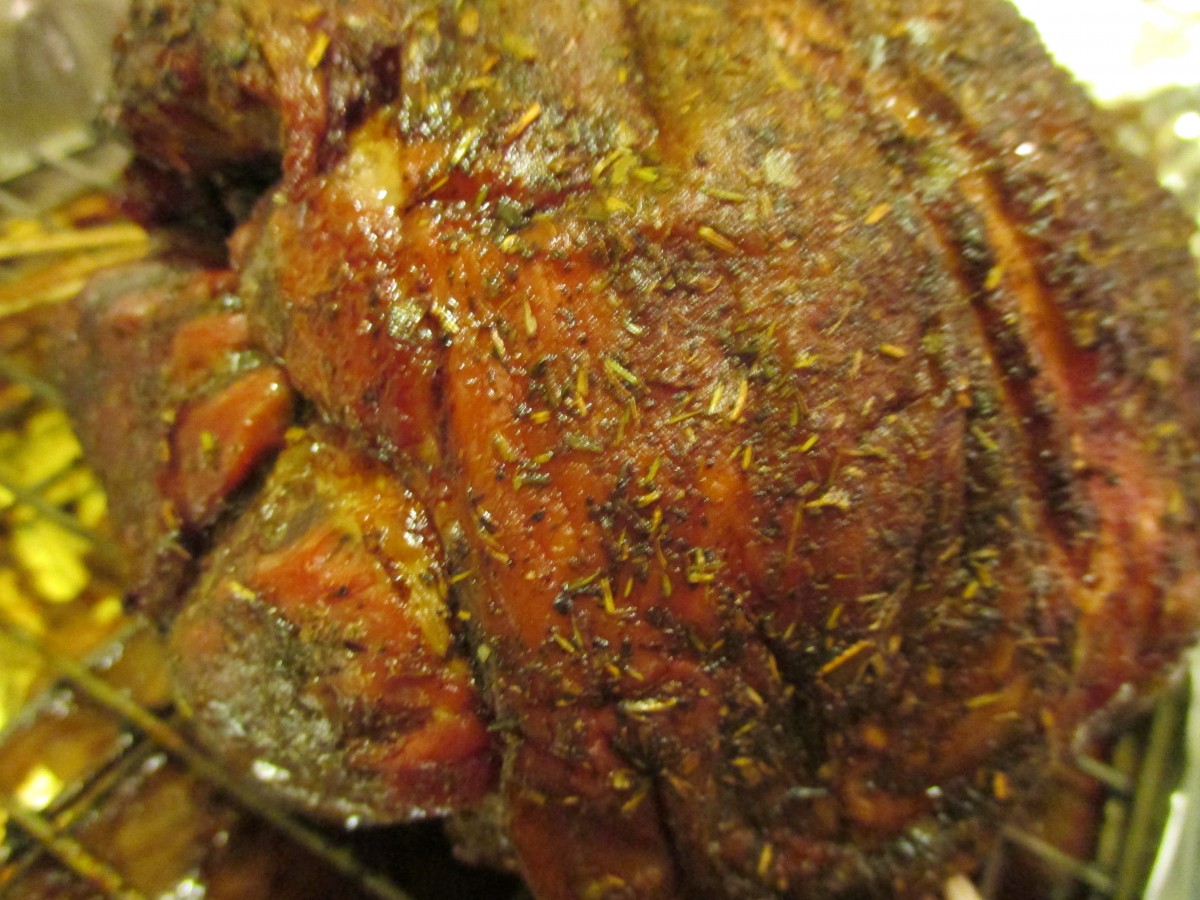
Lamb roast with Herbes de Provence
Homemade Breakfast Sausage

Homemade Breakfast Sausage
Making sausage does not have to be hard. I will admit to growing up in a family that had a sausage stuffer. I have a home movie, from before I was born, of my parents making Polish sausage. There was grinding the meat, seasoning it, prepping the casings and getting the meat into the casings. They made it look easy. But if you make sausage without the casings, like thees little breakfast sausages, the process is pretty simple. The nice thing about making your own sausages is knowing what goes in them, and adjusting seasonings to your own taste. I often make patties, but if you want links, just take the prepared mix, roll it out into tube shapes, wrap in plastic wrap and chill. Then just slice to the length you want. You can use ground pork, turkey, beef, chicken or any combo you like. I even splurged once, and used ground duck.
Homemade Breakfast Sausage
2½ lbs. ground pork or turkey (leave on a little fat)
1 T. dried sage
2 t. salt
2 t. pepper
1 t. dried marjoram
½ t. dried thyme
¼ t. allspice
¼ t. nutmeg
¼ t. dry mustard
⅛ t. cloves
pinch of cayenne pepper
⅓ c. warm water
Mix herbs and spices with water and let stand 10 minutes. Add the water and spice mixture to the meat and blend thoroughly. Form into patties, and chill, or cook immediately.* Patties can be fried or baked. This sausage can also be frozen for later use. Makes almost 3 pounds.
* I have made my own brown and serve by cooking the sausage, over low heat in a large skillet. I add a little water and cover the pan, so they cook, but don’t brown. Cool and then freeze. When I want to have a few, I grab them out of the freezer and just brown in a skillet over medium-low heat.
Purslane Salsa

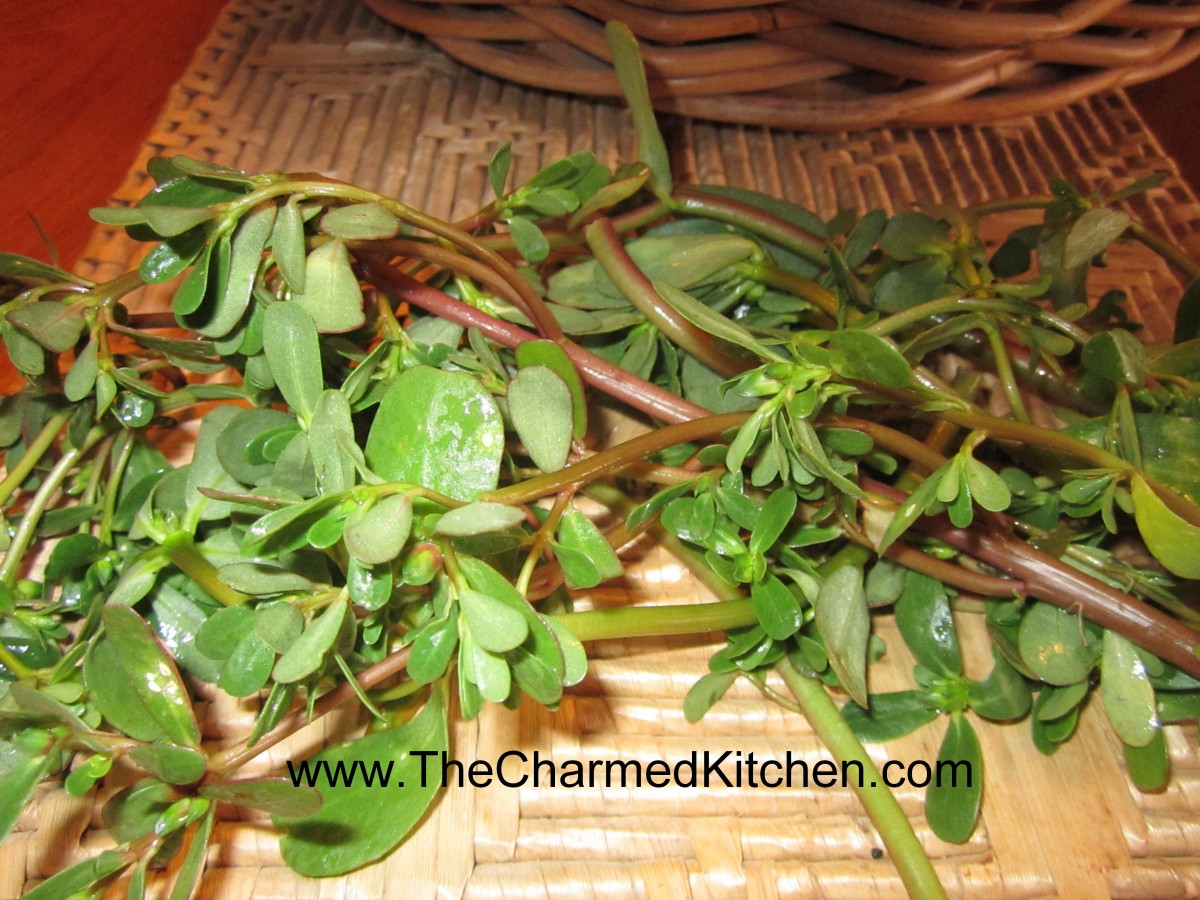
Purslane
This time of year, a lot of gardeners are talking about weeds. Tired of pulling them, tired of fighting them. You might not know it , but you can eat some of them. Purslane is a very edible “weed” and is growing like crazy right now. It is tolerant of hot, dry weather. The thick, fleshy leaves and stems are pretty hard to miss. Purlane tastes good raw or cooked. The flavor is a little lemony. Quite pleasant. I like to use the leaves raw, in a type of salsa or relish. So if you are tired of pulling weeds, look and see if you have purslane. Then you can think of it as harvesting, not weeding.
Purslane Salsa
2-3 cups purslane leaves and small stems, broken or cut into bite-sized pieces
½ c. chopped sweet onion
½ c. chopped sweet pepper
½ c. cider vinegar
½ c. oil
¼ c. chopped cilantro
Salt and hot pepper sauce to taste
Wash purslane and place in a medium bowl. Add vegetables and stir. Combine vinegar, oil and seasonings in a jar with a tight-fitting lid and shake well. Pour over purslane mixture and mix well. Cover and chill. Serve with tortilla chips.
purslane