Drying Tomatoes
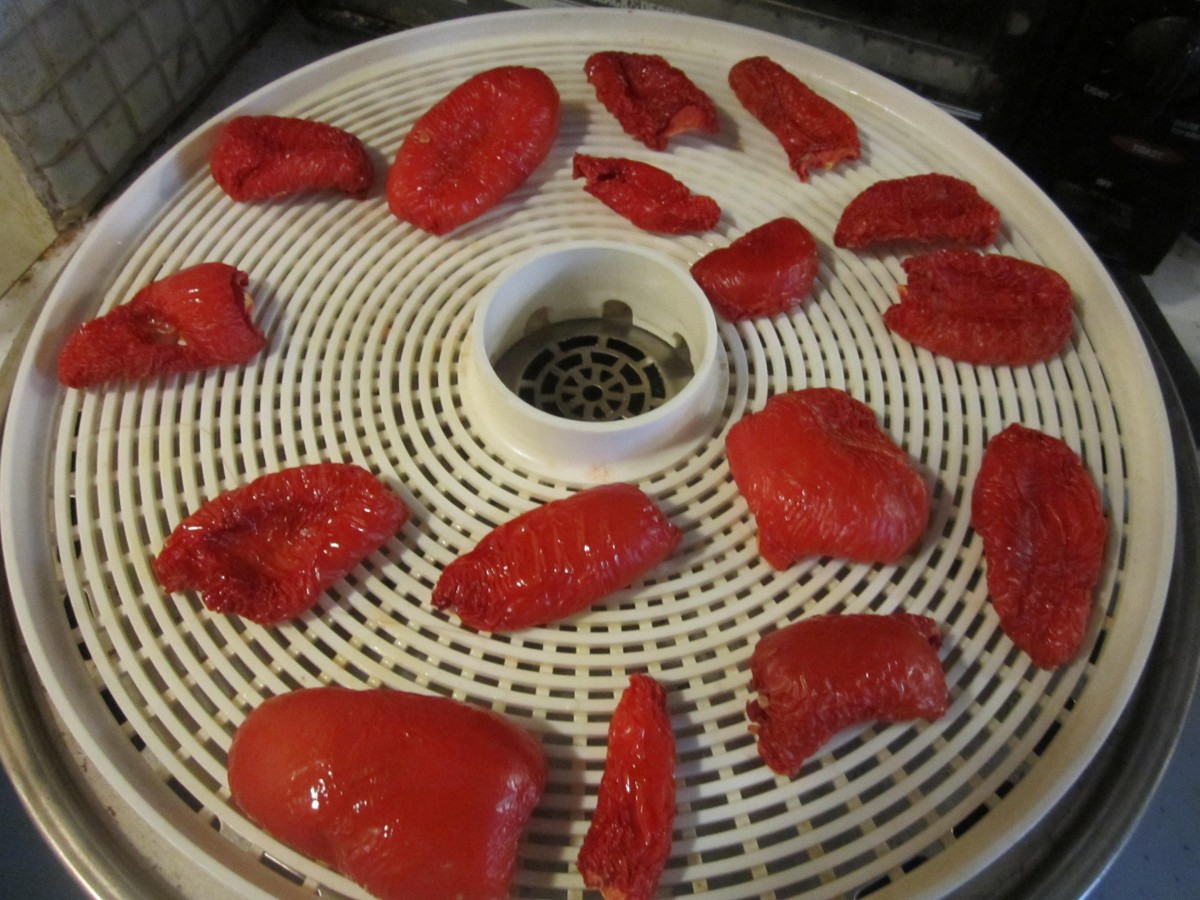
Tomatoes after 12 hours in the dehydrator
Tomato season always seems too short. This season more than most. A lot of us want to save as many of them as possible. Canning is great and freezing, too. Still I enjoy “sun-dried” tomatoes so much I always make sure to dry plenty of them. In warmer, drier climates tomatoes really can be sun-dried. Not possible where I live so I use a dehydrator to dry mine. It’s easy and only requires a little patience.
To prep tomatoes for drying just cut them in half- for small tomatoes and plum tomatoes, or slice larger ones. Remove the seeds- I use a spoon for small tomatoes and just squeeze larger tomatoes after slicing in half. Then I slice the larger ones. They will stick to your dehydrator tray unless you oil it first. I use a non-stick spray or dip a paper towel in oil and rub it over the trays. Start tomatoes cut side up for the first 12 hours or so. This will help with the sticking problem. Then you turn them over and continue drying until crisp. Time will vary with the size of the tomatoes and with individual dehydrators. My small dehydrator has a pre-set temperature so I just leave them in. My larger one has temperature controls so I start my tomatoes for the first couple of hours at 150 degrees then reduce heat to 130 until dried. Drying normally takes a day or two. Once dried I store my dried tomatoes in the freezer. Left at room temperature tomatoes tend to reabsorb moisture and will darken. Edible but not pretty.
You can also powder some of the dried tomatoes. I use the tomato powder when a recipe calls for a small amount of tomato paste. I just mix a small amount of water in with the powdered tomatoes until I get the consistency desired.
Oven drying is possible. Oven should be set at 130-with the door cracked to allow moisture to escape. I don’t recommend it because of the time required and the heat it generates- with the oven door cracked open. I do have friends that dry in their ovens all the time and say its fine. Would love to hear if you have oven dried tomatoes.

The tomatoes when I put them in. Note how much they will shrink.
Corn and Pepper Stir Fry

Corn and Pepper Stir Fry
Corn might not be the first veggie that comes to mind when you think stir fry, but maybe it should be. I had some fresh local sweet corn and a couple of sweet peppers. I wanted to use them for a quick lunch today so I decided to stir fry them with some other veggies. The corn and peppers worked so well together. I was lucky enough to even have some broccoli from my yard. With just a few more ingredients and a little time I ended up with a really wonderful meal.
Corn and Pepper Stir Fry
2 T. oil
1 medium onion, chopped
1 c. sliced summer squash
corn cut off 2 ears of fresh corn
2 c. sliced sweet pepper
1 c. chopped fresh broccoli
1/2 c. whole almonds
2 T. oyster flavored sauce- or use soy sauce to taste
several dashes of hot sauce
sesame oil
In wok or skillet heat oil and cook onion until tender. Add squash and cook 3 minutes. Add corn and peppers and cook, stirring often 3 more minutes. Add broccoli and cook a few minutes longer, until veggies are tender/crisp. Add almonds and seasonings and toss together. Cook 1 minute more and serve. Serves 2.
Pepper Powder
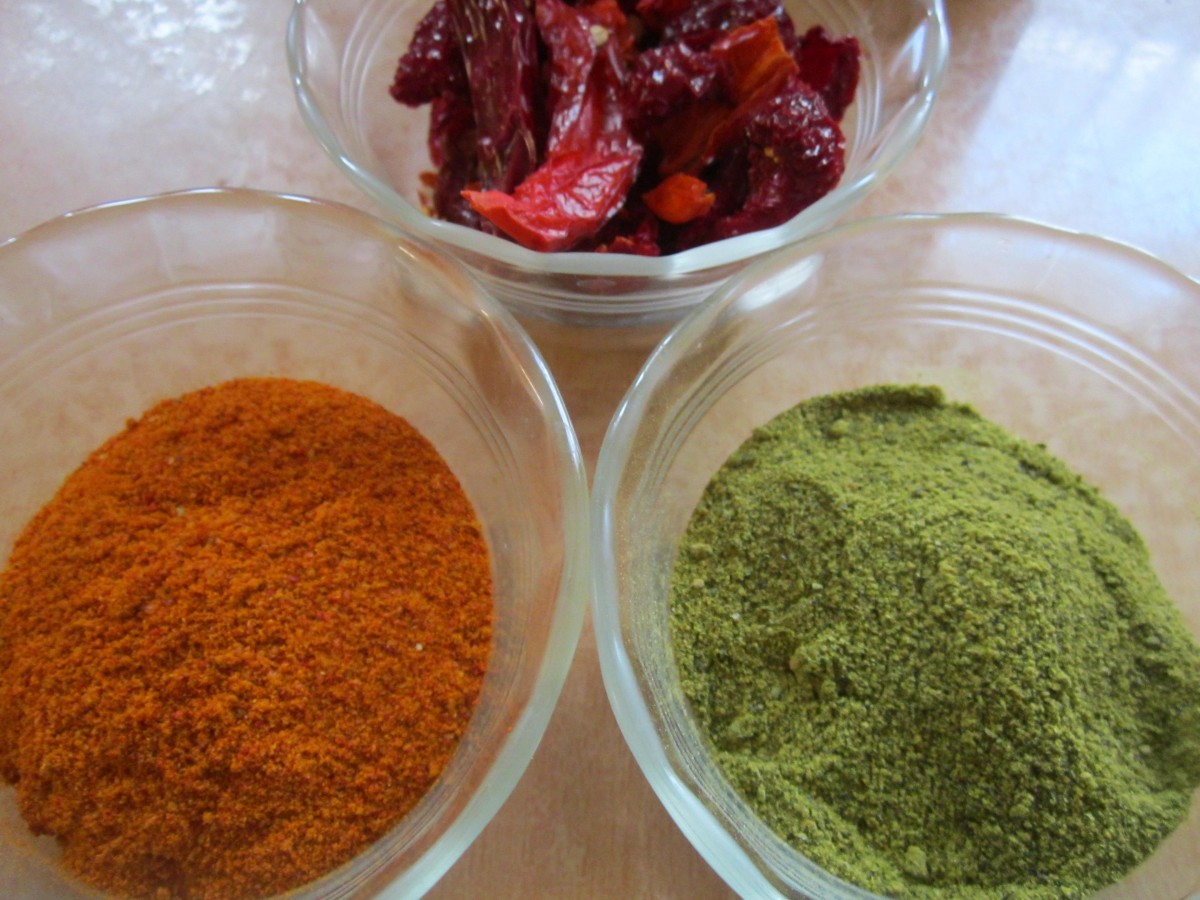
Powdered dried peppers
If you have extra peppers you can easily preserve some for later in several ways. You can chop them up and freeze or add some to vinegar for spicy vinegar. You can pickle them or make stuffed peppers and freeze those.You can also dry them and then powder them up. Drying is one of my favorite ways to preserve peppers.
I dry both hot and sweet peppers. Drying small hot peppers is easy. You can just string them and hang to dry. You can also use a food dehydrator to dry whole small peppers or chopped larger peppers. You can even air-dry larger peppers if you chop them up and lay out in a warm, dry place, preferably on some sort of screening to allow better air circulation.
Once dried I like to powder up the peppers in a spice grinder. I just use a small coffee grinder that I only use for spices and herbs. Paprika and cayenne are just dried and powdered peppers. The dried powdered peppers can be added to all sorts of dishes or combined with other seasonings for spice blends or rubs for meats. Dried peppers are the main ingredient in chili powder.
I had a pile of poblano peppers, both red and green so I decided to dry some of them. Dried poblano peppers are known as ancho chilis. After drying I powdered them up and have a medium- warm pepper powder that I can add to almost every dish. Although they are dried I like to keep them in the fridge for longer shelf life.
Freezer Tomato Catsup
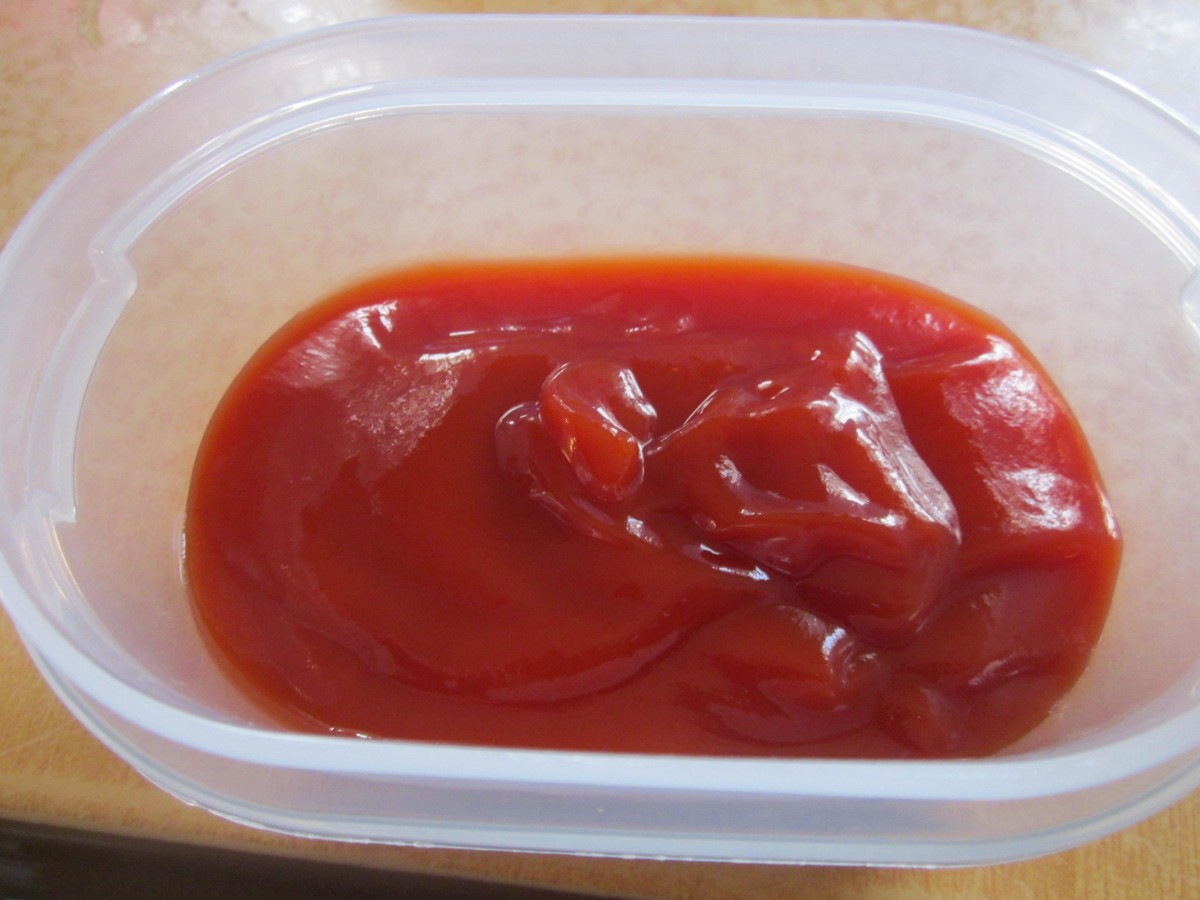
Freezer Tomato Catsup
If you have some extra tomatoes you might want to try making your own catsup. You can play with seasonings for fun. Maybe make yours extra spicy or add horseradish. I like it so much more than the commercial stuff. Freeze some for later- but leave some out to enjoy.
Freezer Tomato Catsup
1 stick, cinnamon, broken
1 t. whole cloves
1 t. mustard seed
1 t. celery seed
1 c. vinegar
8 lbs. tomatoes
1 c. chopped onion
1/4 t. cayenne pepper
1 c. sugar
1 T. salt
Combine cinnamon with cloves, mustard seed and celery seed in a large tea ball or tie up in cheesecloth. Add to vinegar in a saucepan and bring to a boil. Remove from heat at let stand. Core and cut up tomatoes and combine in a saucepan with onions and pepper. Simmer until vegetables are soft and press through a strainer or food mill. Combine sugar with tomato pulp and salt in saucepan and simmer until reduced by half. Remove spices from vinegar and add vinegar to tomato mixture. Simmer, stirring often until desired consistency is reached, about 30 minutes. Cool. Ladle catsup into freezer containers leaving 1/2-inch headspace. Seal, label and freeze. Makes about 5 half-pints.
The Beet Cake is Back
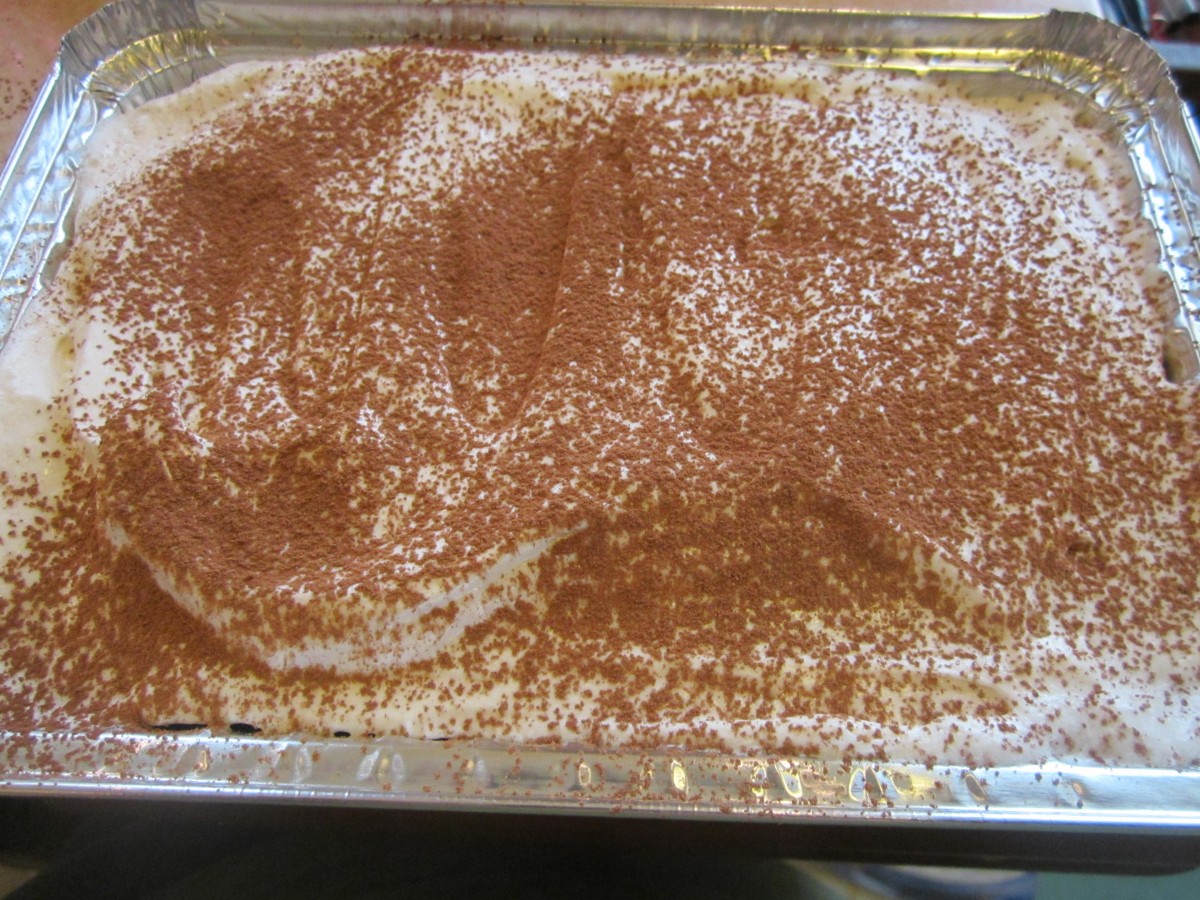
Chocolate Beet Cake with Cream cheese Frosting and a light dusting of cocoa
For those of you who have been asking for it I will have chocolate beet cake today at the Blue Pike Farm market. I will also have fresh made zucchini bread. Plus peach preserves, strawberry jam, blueberry jam, assorted pickles, dilly green beans, pickled asparagus and more!! Hope to see you there. The market at Blue Pike Farm is Thursdays from 4-7 pm. The farm is located at 900 E.72 street in Cleveland- just 1/2 mile south of the shoreway.
Beet Relish
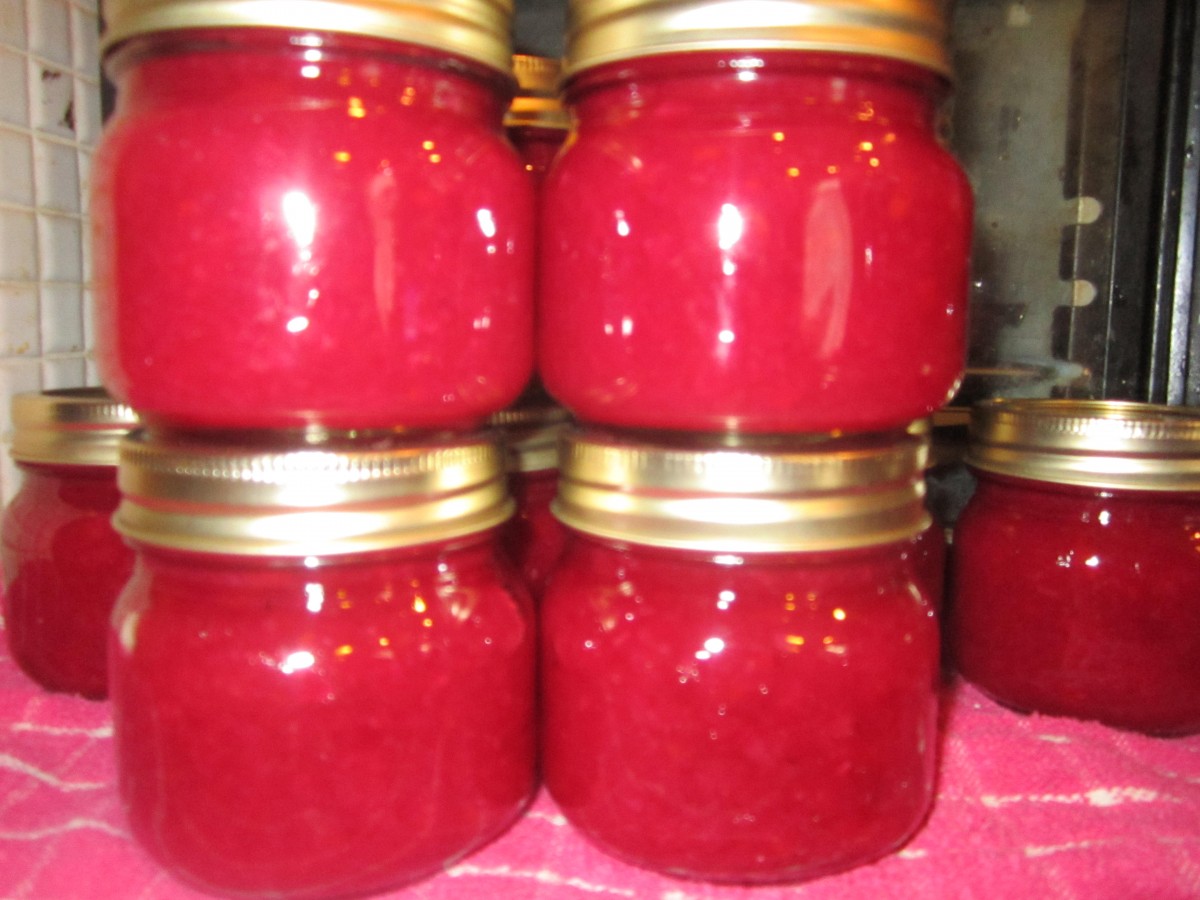
Beet Relish
I love this relish and make several batches every year. You can add it to sandwiches or salads and if you put some in your chicken salad it turns it the nicest shade of pink. If you have some extra beets laying around you might want to try it.
Beet Relish
1 qt. chopped cooked beets, about 12 medium
1 quart chopped cabbage, about 1 small head
1 c. chopped onion
1 c. chopped red sweet pepper
1 1/2 c. sugar
1 T. prepared horseradish
1 T. canning salt ( non-iodized)
3 c. vinegar, white or cider- I prefer cider vinegar
Combine all ingredients in a pot and bring to a boil. Simmer 10 minutes. Bring mixture to a boil. Pack hot relish into hot jars leaving 1/4 -inch head space. Seal jars and process in a boiling water bath 15 minutes. Yield about 10 half-pint jars.
Source: Ball Blue Book
Peach and Vanilla Preserves
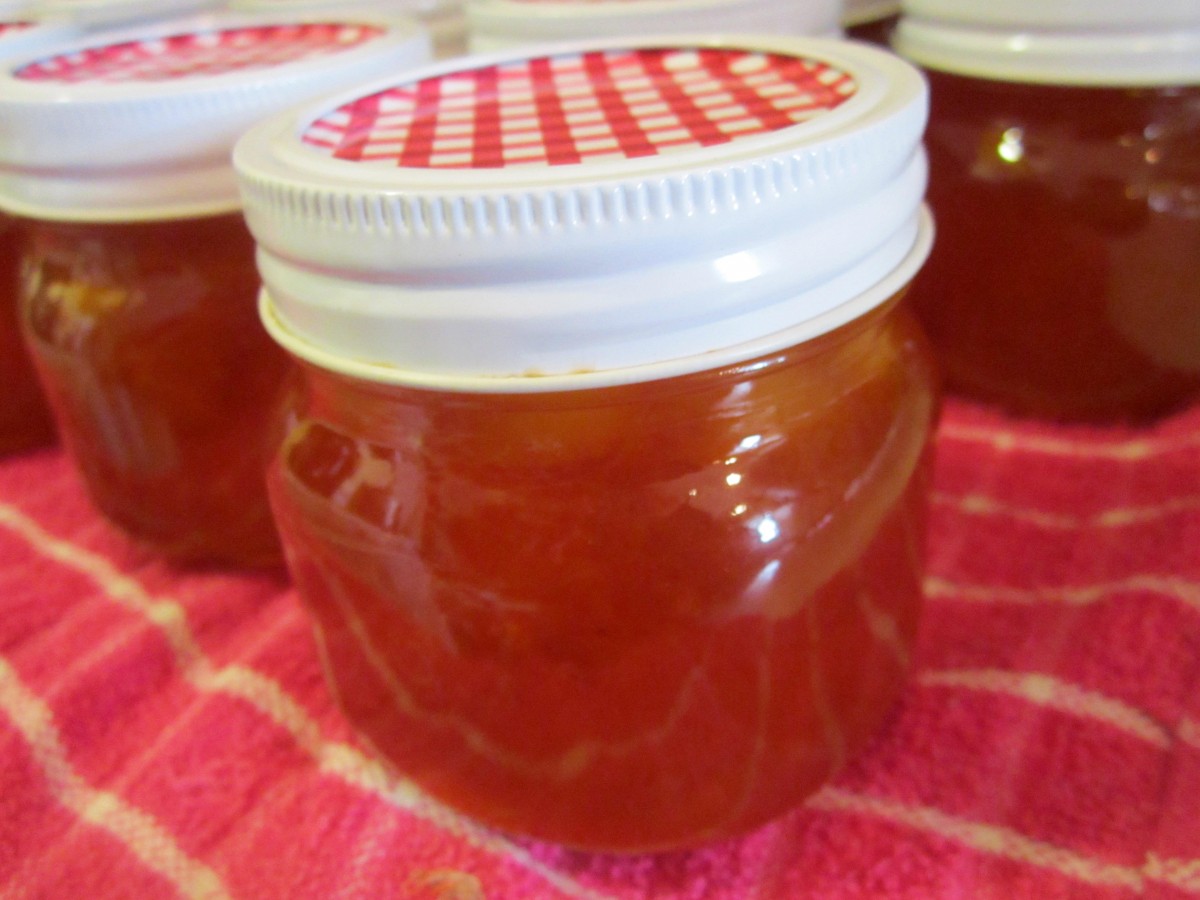
Peach and Vanilla Preserves
With local peaches at their peak I decided to make Peach Preserves. I change them up a little by adding vanilla which complements their sweetness.
Peach and Vanilla Preserves
4 c. peaches, peeled, pitted and cubed
6T. powdered pectin
1/4 c. lemon juice
1 T. pure vanilla extract
7 c. sugar
Place peaches in a pot with the pectin, lemon juice and vanilla. Bring to a boil, stirring often. Add sugar and stirring constantly, bring mixture to a boil. Boil hard for 1 minute. Pour mixture into jelly jars leaving 1/4 -inch of headspace. Wipe rims and screw on lids. Process in a boiling water bath for 10 minutes. Makes about 8 half- pint jars.
Freezing Green Beans
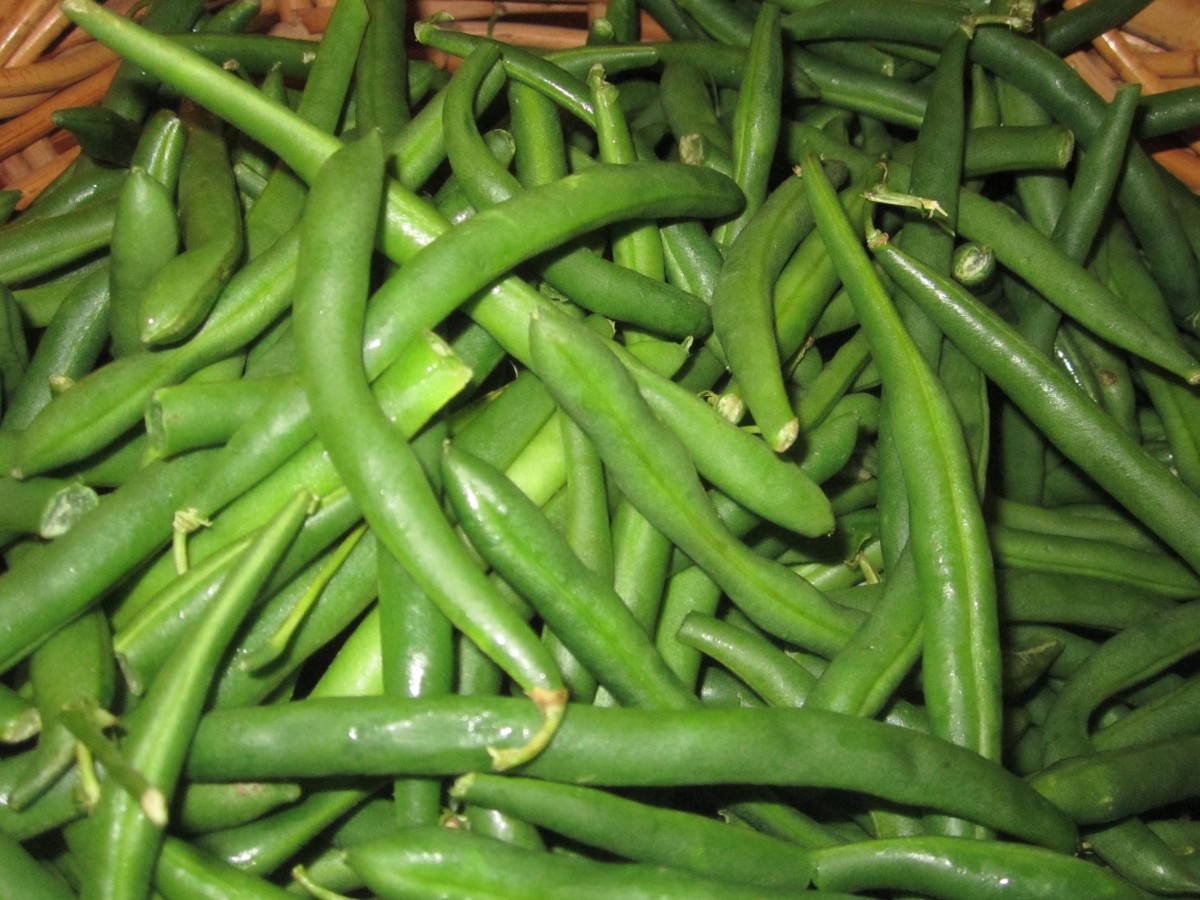 With so many vegetables and fruits in abundance now I think its important to consider putting some away for winter. I had a request from a friend to post this info. She wants to have green beans from her garden at her Thanksgiving dinner. Not a problem at all. You could can green beans, lots of people do. Canning them does require a pressure canner, which my friend doesn’t have. You could also pickle them or dehydrate them, but for the green bean dish my friend wants I think freezing them is the way to go.
Unlike canning, safety is not the primary concern when freezing. Quality is, however, and by following a few steps you can enjoy your harvest all year round.
To freeze green beans start by washing the beans and trimming off the ends. You can freeze them whole or cut. Beans are best when blanched in boiling water before freezing. Have a large pot of water boiling and a bowl of ice water ready. Place prepped beans in the boiling water for 3 minutes. Remove with a slotted spoon and place in the ice water to cool down. If you are blanching a lot of beans do them in batches. Placing too many will bring the temp of the boiling water down too much. Once beans are cooled down drain them and place in freezer bags or containers, label and date then place in freezer. When ready to use them take from the freezer and place beans in boiling water until tender- about 5 minutes.
Advantages of freezing are that you don’t need to buy a canner or worry about spoilage. You will, however, need freezer space and freezer containers to prevent freezer burn. And of course in the event of a prolonged power outage you could lose it all. I think some foods are better when frozen than canned, like green beans which must be processed for a very long time when canned.
Always label what you freeze and date it. It’s amazing how time flies. While food remains safe for ages in the freezer it is best to use most home-frozen foods within a year of freezing.
Some foods need to be blanched before freezing. Blanching is simply putting the food in boiling water steaming for a few minutes and then plunging the food into ice water to stop the cooking. Blanching kills surface bacteria and also causes the produce to wilt, thus making it easier to pack. Blanching also stops the action of ripening enzymes, thus keeping that just-picked taste. The issue with fruits and vegetables is whether to blanch before freezing or not. As a rule, fruits are not blanched and most vegetables are. Peppers and onions can be frozen without blanching.
The biggest problem with home freezing is that most home freezers aren’t cold enough. Refrigerator-freezer combinations tend to be warmer than separate freezers. To have the best results foods should be kept at -20 degrees. If you’re lucky you might have a freezer that is as cold as -10 degrees. Some are at warm as 10 above zero. Fine for making ice cubes, but too cold for long term freezing. Get a freezer thermometer and keep track. The warmer the freezer the shorter you should be keeping foods frozen.
Cream of Fresh Tomato Soup
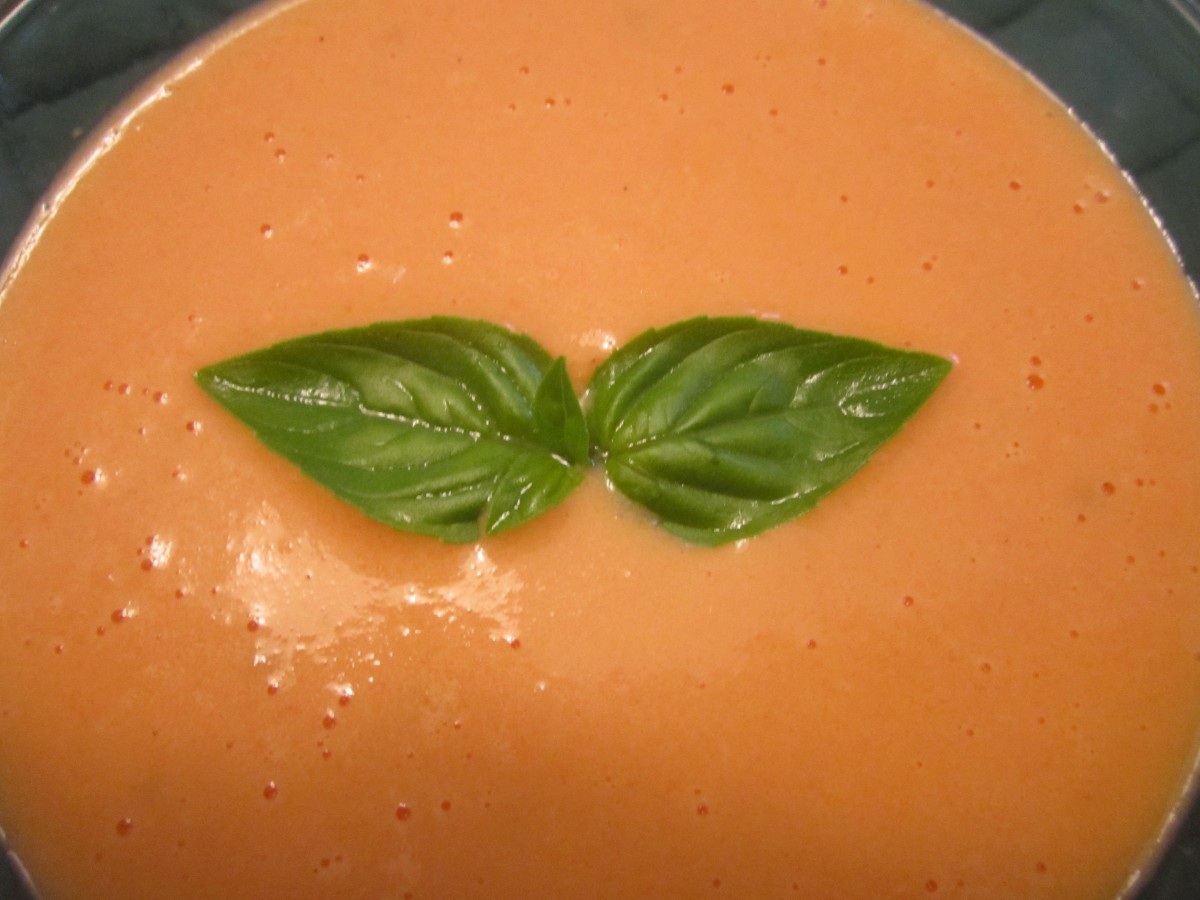
Cream of Fresh Tomato Soup
This is a great way to use some of those fresh tomatoes. A simple soup with lots of flavor it is my favorite tomato soup ever. Try it by itself or pair with a grilled cheese sandwich. Yummy!!
Cream of Fresh Tomato Soup
3 medium-sized ripe tomatoes
1 small onion, chopped fine
1 rib celery, chopped fine
Pinch of sugar, optional
3 whole cloves
1 small bay leaf
3 T. butter
3 T. flour
1 t. salt
3 c. milk
Peel and chop tomatoes. Place tomatoes in saucepan with onion, celery, sugar (if adding), cloves and bay leaf. Bring mixture to a boil; reduce heat and cover, simmering 15 minutes. Melt butter in a large saucepan then stir in flour and salt. Cook mixture until bubbly. Add milk and cook until thickened stirring constantly. Puree tomato mixture through strainer, food mill or in a blender or processor. Add to milk mixture and heat through. Serves 6.
Canning Tomatoes
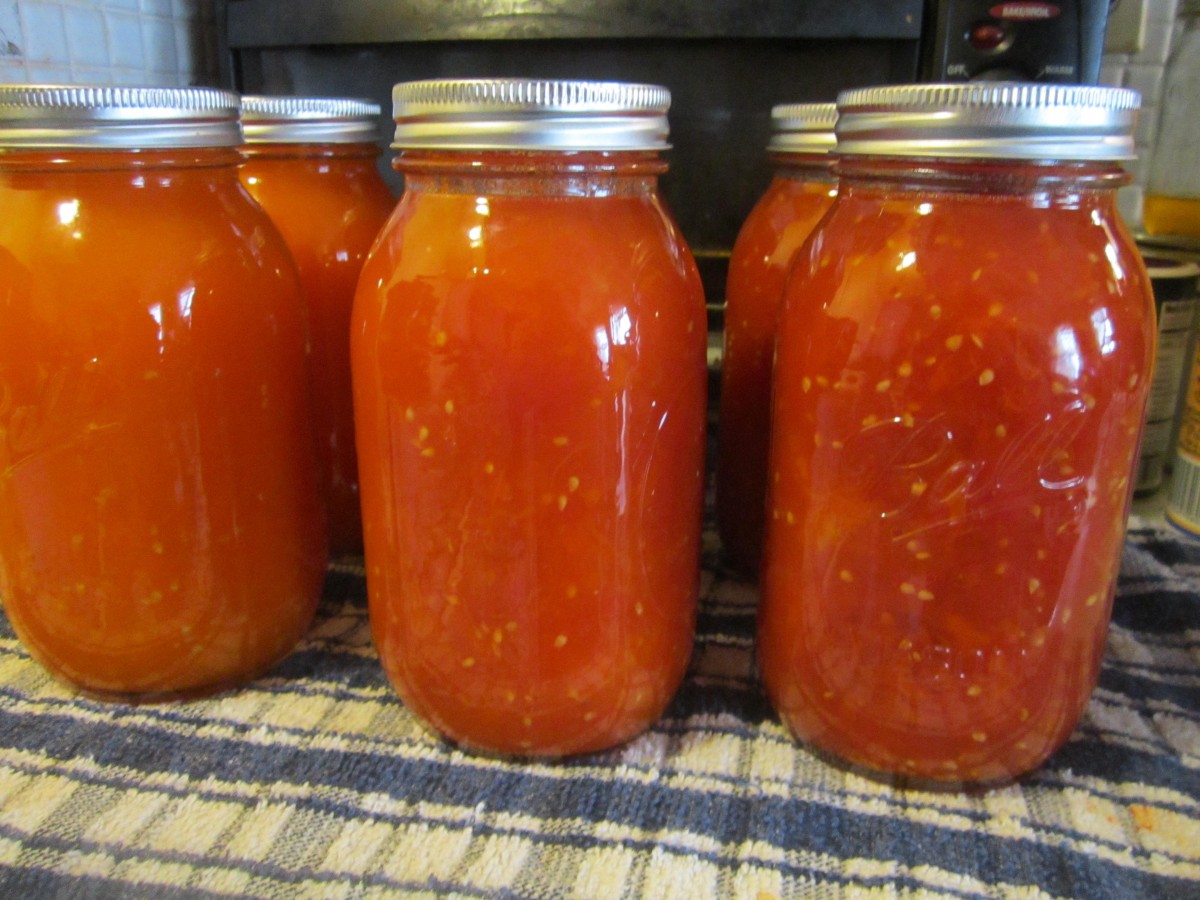
Canning Tomatoes
Certainly one of the most popular products to can each year here are a few recipes to start you off.
Crushed Tomatoes
Peel and core tomatoes , trim off any bad spots and quarter. Place about 1/4 of your prepared tomatoes in the kettle and cook, stirring constantly over high heat. Use a potato masher to crush tomatoes and extract juices. Once they are boiling add remaining tomatoes, stirring constantly. You don’t need to crush these tomatoes. Bring to a boil and boil for 5 minutes. In clean, hot jars add needed acidity listed below. You can also add 1 teaspoon of canning salt per quart if desired. Ladle in hot tomatoes, leaving 1/2-inch headspace. Wipe jar rims clean and adjust lids. Process in boiling water bath. Pints 35 minutes, quarts, 45 minutes. 1,000-3000 ft over sea level add 5 minutes. Twenty-two pounds of tomatoes will yield about 7 quarts of tomatoes.
Whole Tomatoes in Juice
Use any extra tomatoes to make juice. I use tomatoes that are too big to can whole, or those that have blemishes that need to be trimmed. Cut up clean, unpeeled tomatoes in a kettle and cook, stirring often until tomatoes are mushy. Strain mixture, pressing on solids or run through a food mill or tomato juice extractor. Set aside,. Place peeled, whole tomatoes in kettle and add enough tomato juice to cover them. Heat to a simmer and simmer gently 5 minutes. Add lemon juice or citric acid to jars, using amounts listed below. Add salt, if desired. Add tomatoes and cover with hot juice, leaving 1/2 -inch headspace. Wipe rims and adjust lids. Process both pints and quarts 85 minutes in a boiling water bath.
Tomato Juice
Wash, stem and trim bruises off tomatoes. Cut into chunks. Add about 1 pound of tomatoes to kettle and bring to a boil while crushing. Continue to add additional cut up tomatoes slowly, keeping mixture boiling. This will keep the juice from separating later. Simmer an additional 5 minutes once the tomatoes have all been added. Press mixture through a strainer , sieve or food mill to remove seeds and skins. Add lemon juice or citric acid to jars according to directions listed below. Add salt if desired. Return juice to boil and add to prepared jars leaving 1/2-inch headspace. Wipe rims and adjust lids. Process n a boiling water bath pints 35 minutes and quarts 40 minutes. Add 5 minutes processing time at elevations between 1,001 and 3,000 ft.
Tomato Sauce
Prepare as for juice. After juice is made return to pot and start cooking down to desired thickness. You’ll lose about 1/3 of the volume for thin sauce and 1/2 of the volume for thick. Add lemon juice or citric acid to prepared jars as described below. Add salt if desired. Add boiling sauce leaving 1/4 -inch headspace. Wipe rims and adjust lids. Process in a boiling water bath 35 minutes for pints and 40 minutes for quarts. Add five minutes at 1,001-3,000 ft. elevation.
Acidity and Tomatoes
Tomatoes must be acidified before canning. When canning either whole, crushed or juiced tomatoes you must add either 2 T. bottled lemon juice per quart or 1/2 t. citric acid . For pint use 1 T. lemon juice or 1/4 t. citric acid. You can also use 4 T. (5%) vinegar per quart, but it will alter the flavor and is not recommended. You can add a little sugar to offset the flavor, if you like.