New Look
Recently updated the website. New graphics with a greener look. Let me know what you think. As always, its a work in progress. Always open to your ideas and feedback. Thanks, Jared!!!!!
Easy Salad Vinaigrette
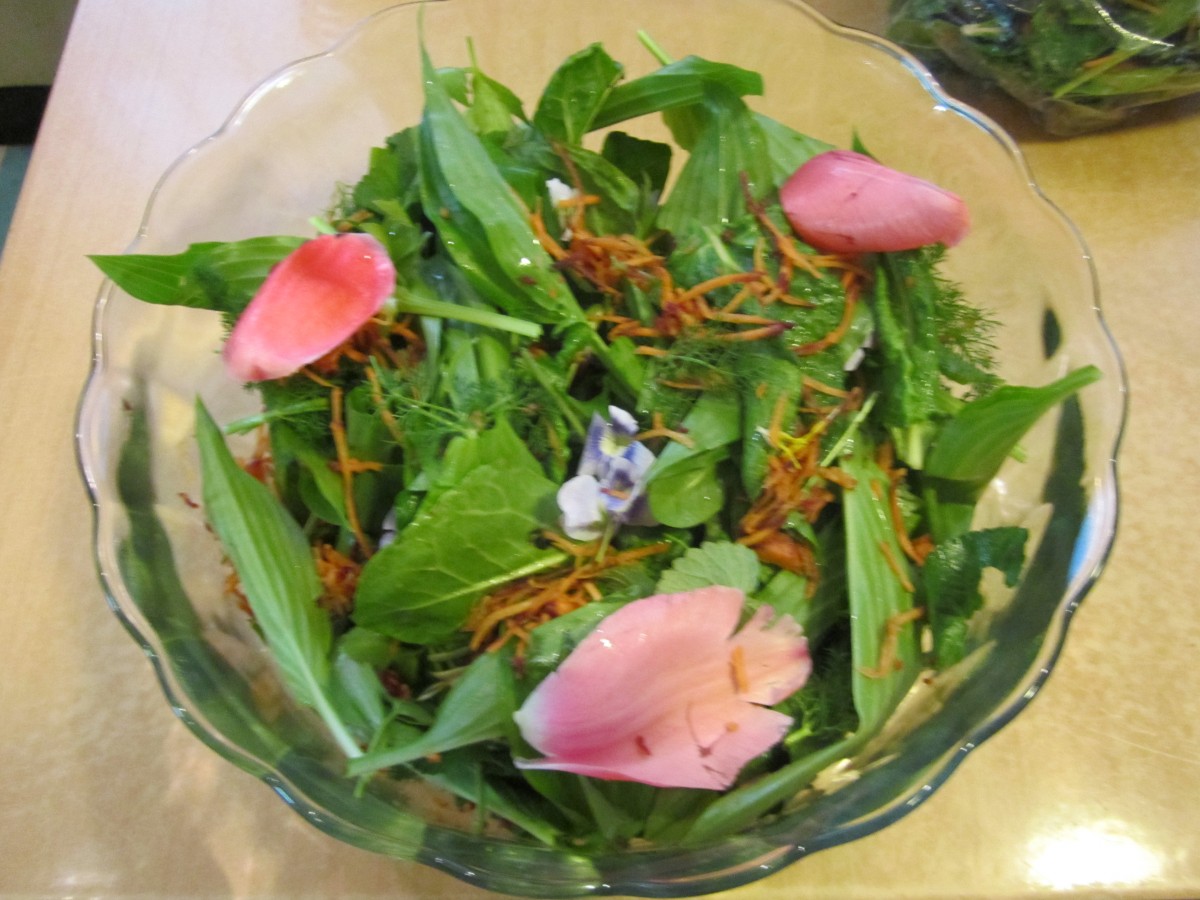 My niece, Sarah, asked for me to post more recipes for vinaigrette using herb vinegars. With so much great lettuce and other salad veggies at the local markets right now it seemed like a good time to post a few recipes. I think she make like these. I think you will, too. Love you, Sarah!!!
Pesto Vinaigrette
1 c. fresh basil leaves
½ c. olive oil
2 cloves garlic
½ c. red wine vinegar or basil vinegar
2 T. Parmesan cheese
Salt and pepper to taste
2 T. pine nuts (optional)
In blender or processor combine oil, basil, and garlic until well-blended. Add vinegar and cheese and blend a few moments longer. Add salt and pepper to taste. Makes 1½ cups of dressing.
Note: Although you can add the pine nuts to the dressing at this point, I really like to sprinkle them on the salad when served. This dressing is great on a mixed green salad, including romaine lettuce and fresh garden tomatoes. Being especially fond of sweet multicolored peppers, I also pour this dressing over a plate of peppers cut into thin strips. Pesto Vinaigrette can also be used as a marinade for veggies or chicken.
Wild Green Salad
8 – 10 cups assorted wild salad greens such as: dandelion greens, French sorrel, lamb’s quarters and/or mixed baby greens, including: spinach and assorted lettuces or even micro greens.
¼ c. olive oil
2 T. herb or floral vinegar
1 T. balsamic vinegar
2 t. sugar
2 t. fresh dill leaves
2 t. fresh tarragon
salt and fresh ground pepper to taste
Wash and dry the greens. Combine remaining ingredients in a small bowl and whisk. Toss over greens and serve. Serves 8.
Turnips
Yesterday’s bag of produce from Blue Pike Farm included turnips. A lot of people aren’t quite sure what to do with them. Turnips are a great addition to soups and stews and casseroles. Peel and dice up then just toss in to your dish and cook until tender. You can also boil peeled and cubed turnips until tender then mash and treat like mashed potatoes- or combine with potatoes in a mash. Here is a recipe you might also like.
Finnish Turnips
4 small turnips, peeled and chopped
2 tablespoons butter
1/2 teaspoon salt
1 cup heavy whipping cream or half and half or evaporated milk
2 eggs, beaten
1/3 cup packed brown sugar
1 cup crushed croutons
2 tablespoons crushed croutons
Preheat oven to 350 degrees. Bring a pot of salted water to a boil. Add turnips; cook until tender but still firm. Drain. In a large bowl, add turnips, butter, salt, cream, eggs, brown sugar and 1 cup croutons. Blend until well mixed. Pour into a 2 quart casserole dish, sprinkle with remaining 2 tablespoons crushed croutons. Bake for 45 to 50 minutes.
Strawberry Jam
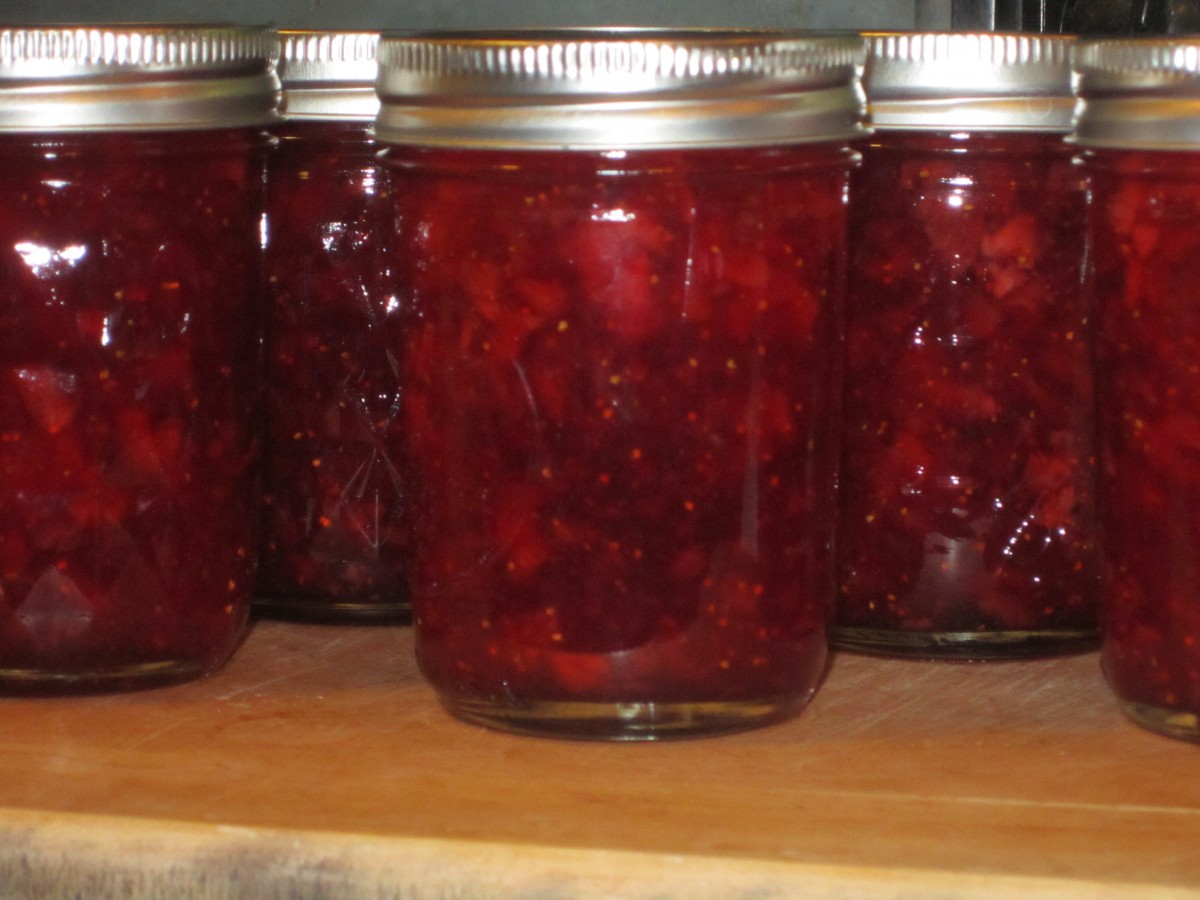 One of my favorite things to make. The hardest part is trying to save some for winter.
Here is the recipe.
Strawberry Jam
2 qts. strawberries, stemmed, washed and crushed
1 package dry pectin
1/4 c. lemon juice
7 cups sugar
Combine berries, pectin and lemon juice in large saucepan and bring to a boil over medium heat, stirring often. Add sugar and turn heat up to high. Stir often until mixture comes to a boil. Boil hard one minute stirring constantly. Ladle hot jam in to jars leaving 1/4 inch headspace. Wipe rims add screw on lids comfortably tight. Place in boiling water bath and process 5 minutes. Remove to cooling rack, towel or wooden surface to cool. Makes 8-9 half pints.
Blue Pike Farm Market
Blueberry Jam
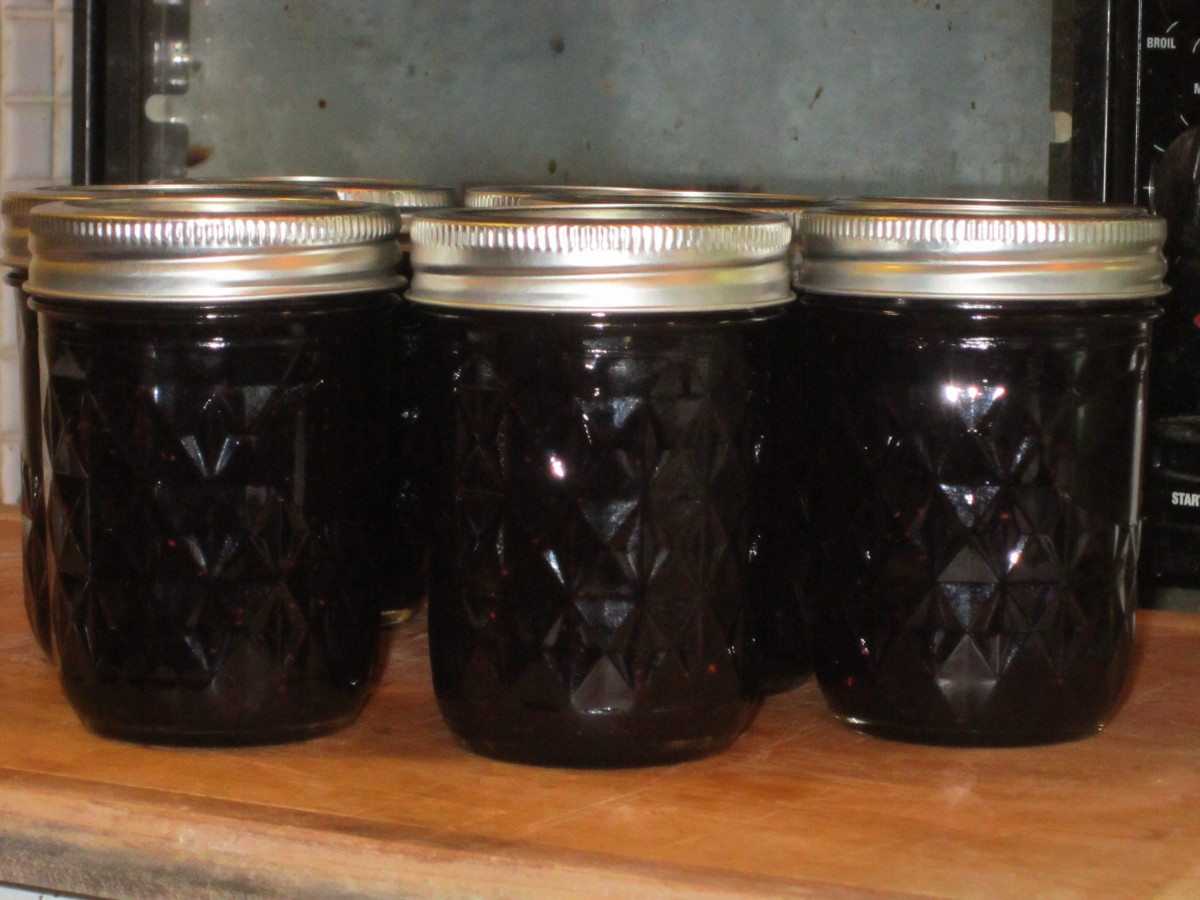
Tomorrow, June 21, marks the first day of the Blue Pike Farm Market season. There will be fresh produce and baked goods. I’ll be there selling herbs blends and an assortment of jams and jellies including fresh blueberry jam. I’ll also have Vidalia Onion Relish. The market runs from 4-7 pm and is on E.72 street- just 1/4 mile south of the Shoreway. If you have never been to an urban farm stop by and say ” hello”. Since I am also doing camp in Mentor I may be there a little after 4. Hope to see you there. 🙂
Lavender Vinegar
 Finally harvested the lavender for a batch of vinegar. I’ll steep it for a few weeks and then strain and filter it. Later on I’ll combine it with other flower-infused vinegars.
It’s easy to make. Just add 2 cups of vinegar for every cup of blossoms. If you are using dried flowers use 1/3 cup for every 2 cups of vinegar. Store in a cool, dark place in a container with a tight-fitting lid.Steep for at least 2 weeks- or longer.
Be sure to use vinegar that is 5% acidity- it will say that on the label. I like to use white wine vinegar, red wine vinegar or cider vinegar.
Also be sure that the flowers you are using are edible and have not been sprayed with pesticides.
Cooking Camp

One student's plate
We had such a great day. The kids were making sandwiches. We made turkey sliders, grilled sandwiches, cucumber and mint sandwiches, cut-outs and roll-ups. Fun day in Mentor.
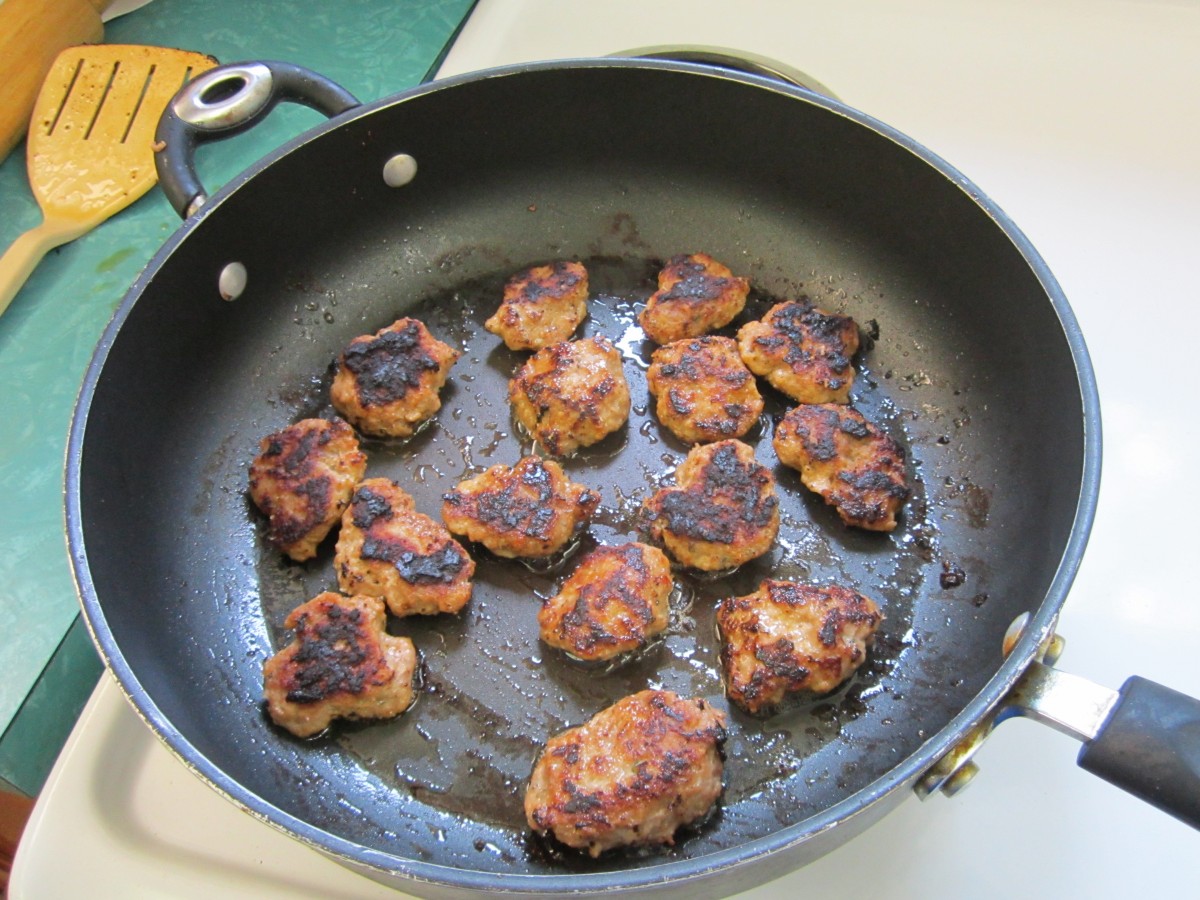
Turkey sliders cooking
Garbanzo Harvest
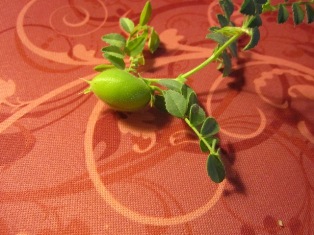
The first pod
Well, it finally happened. I harvested my first garbanzo bean. Yes, bean, singular. There has been suggestion that I make a really small pita bread for the hummus. Thanks, Jonathan. I’m working on it. Still it is a start. There are a few more pods forming and some more flowers. Considering I was just growing them for the sprouts I see each little bean as a bonus. I look forward to more little garbanzos in the weeks to come- but nothing quite equals your first!
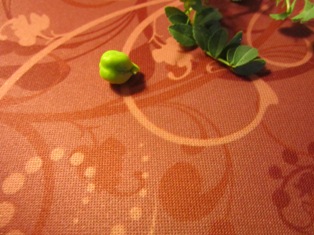
The bean
First CSA from Blue Pike Farm
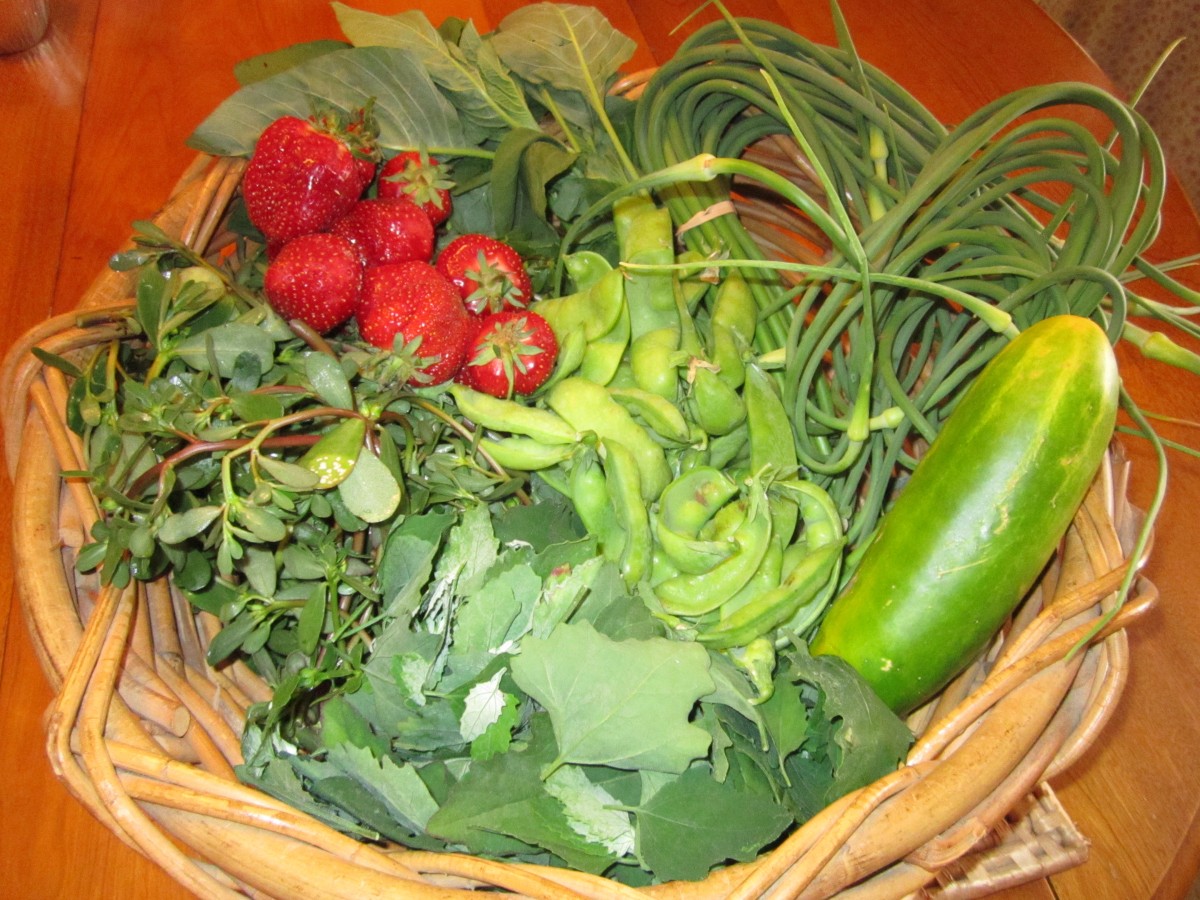 I just got my first bag of goodies from Carl and Blue Pike Farm today. I’ll be getting a share every week as part of my CSA. In case you don’t know CSA stands for community supported agriculture. You pay a flat fee to a local farm and throughout the season you get a share of the harvest. Carl provides a shopping bag that each member is asked to bring each week to be refilled. What I plan to do is provide recipes for each week’s bounty. So during the season each week I’ll have new recipes for the wonderful produce I will be receiving.
Today’s bag included a cucumber, strawberries, lambs’ quarters, purslane, garlic scapes, sugar snap peas and some amaranth (red root pigweed). If you aren’t familiar with some of the items I’ve listed this should help.
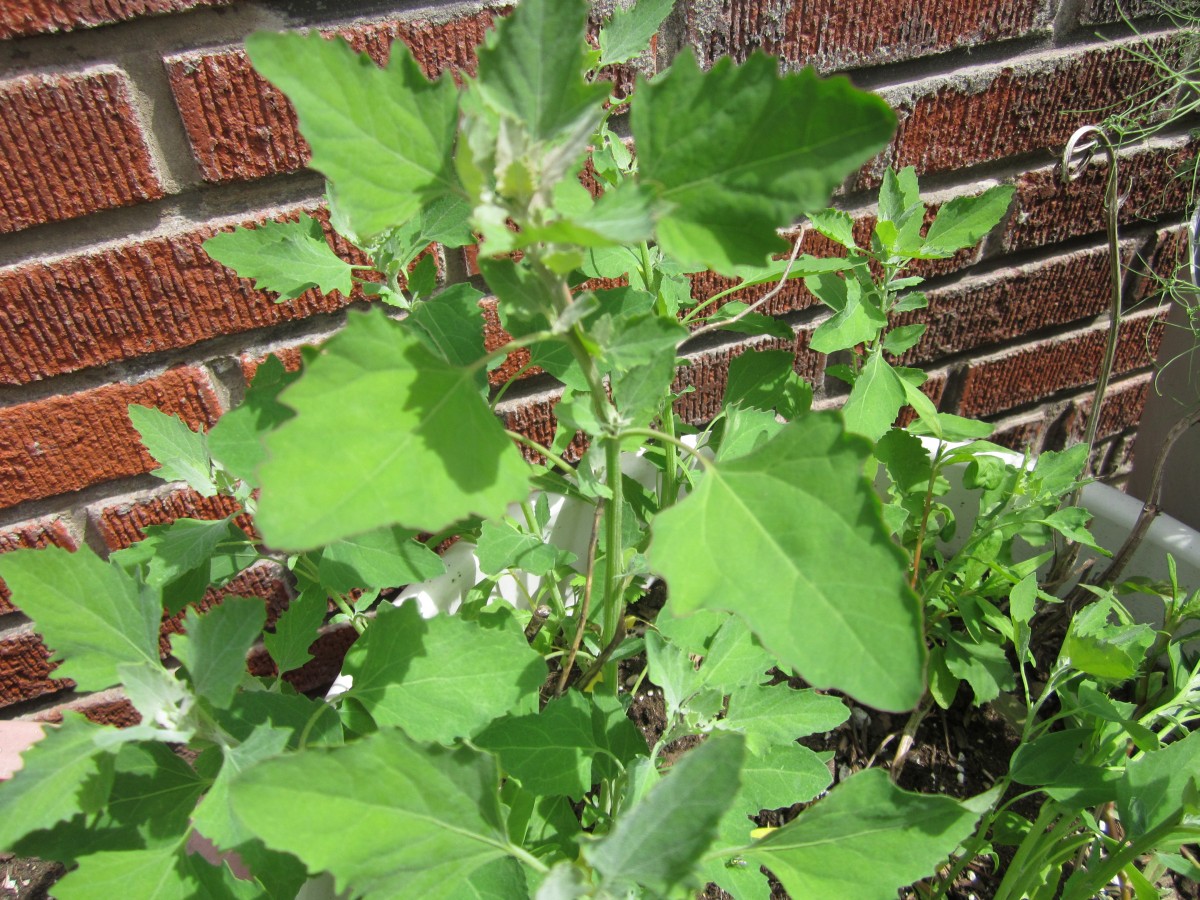 Lambsquarters
This common weed is a great spinach substitute. It is easier to grow, re-seeds, well, like a weed and is actually better for you. The leaves of this plant are shaped like Christmas trees, or the webbed foot of a goose. Thus, the family of plants is known as the goosefoots. Full of calcium, phosphorous and protein, they contain more vitamin C than citrus fruits and more vitamin A than carrots. Use the greens as you would spinach, but cook plenty, they wilt down. I always freeze extra to enjoy all winter long. The seeds are also edible and can be used in baked goods. In some farm markets they are called “Belgian” Spinach.
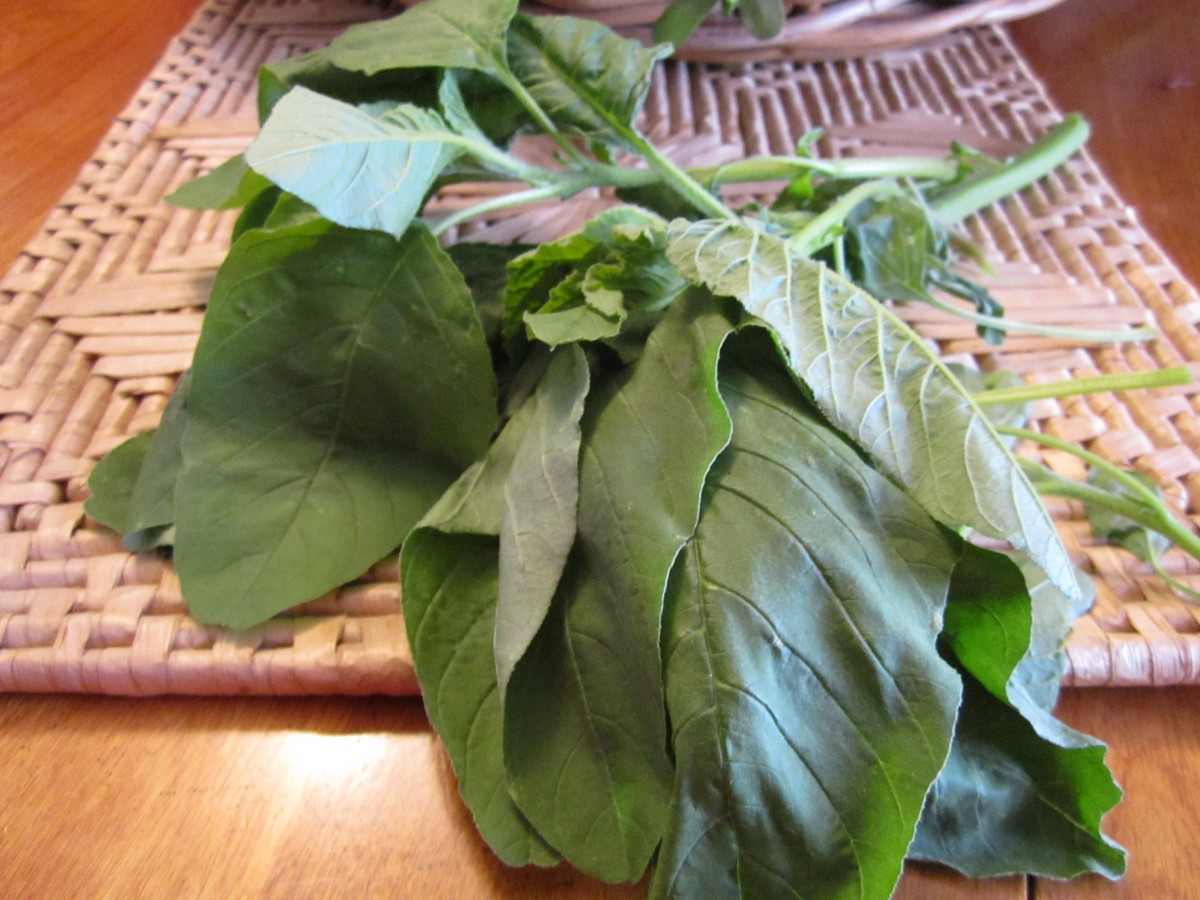 Red Root / Pigweed
Don’t you love common names? Red root is actually green amaranth. Related to the same amaranth used to make flour (seeds). The leaves, like lambsquarters and dandelion are among the most nutritious foods you can eat. Pigweed grows anywhere the ground has been cultivated, and will return from one year to the next so you will always be able to find it in the same spot. The large leaves are somewhat almond shaped, but more pointed on the ends. The plants can get 6 feet tall in good ground but can be picked anytime. Cook as you would spinach.
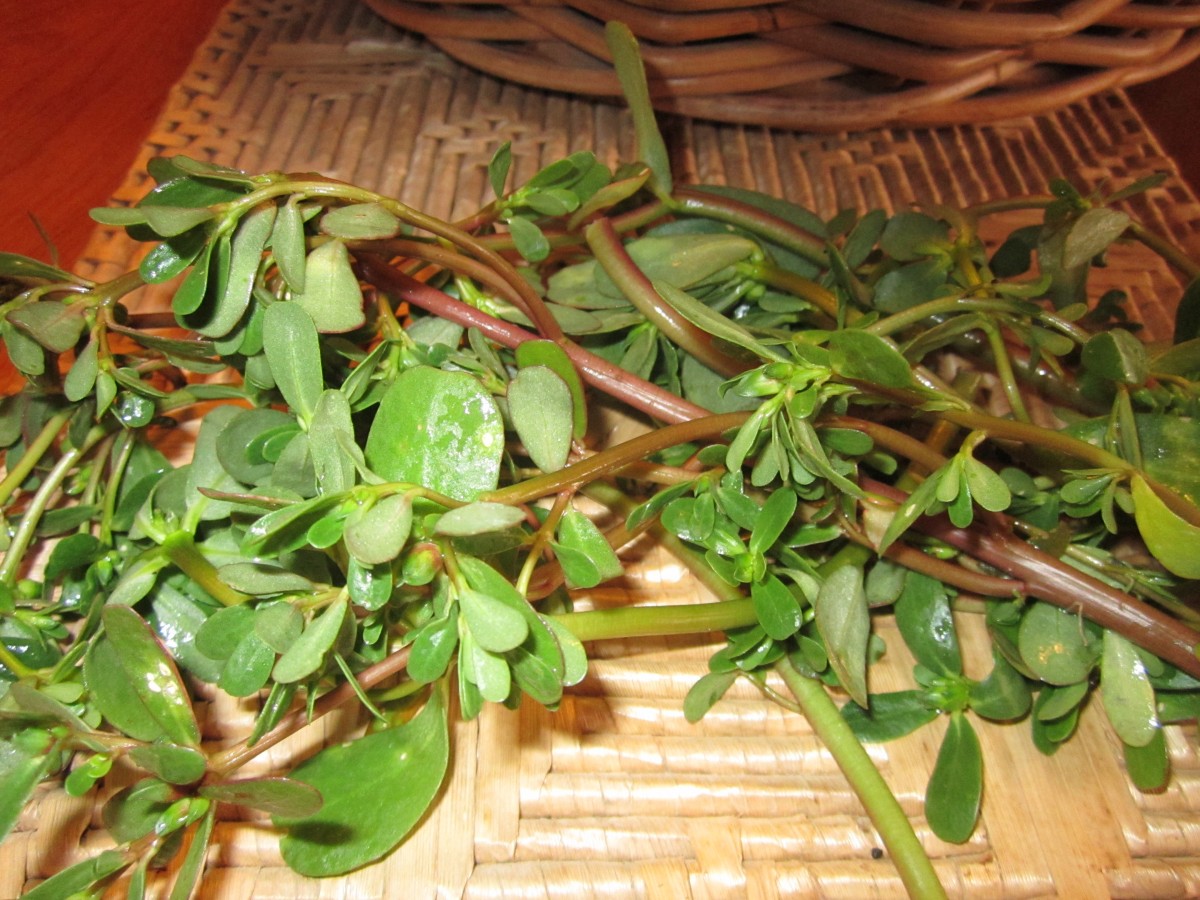 Purslane
Purslane is commonly sold in markets in Europe, but in the States we still delegate it as pest rather than resource. What a shame. The leaves these creeping, fleshy-leaved plants add a crunchy tartness to salads and can be steamed as a vegetable.
Purslane Salsa
2-3 cups purslane leaves and small stems, broken or cut into bite-sized pieces
½ c. chopped sweet onion
½ c. chopped sweet pepper
½ c. cider vinegar
½ c. oil
¼ c. chopped cilantro
Salt and hot pepper sauce to taste
Wash purslane and place in a medium bowl. Add vegetables and stir. Combine vinegar, oil and seasonings in a jar with a tight-fitting lid and shake well. Pour over purslane mixture and mix well. Cover and chill. Serve with tortilla chips.
Creamed Lambsquarters
4-6 c. fresh lambsquarters, washed and stemmed
1 T. butter or margarine
1 c. milk
2-3 T. flour
Salt and pepper to taste
1/2 t. dill weed
Cook greens in a small amount of water and drain when heated through or wilted. Return to pot and add butter or margarine. Place milk and flour in jar with tight fitting lid and shake until well mixed. Add to lambsquarters and cook, stirring constantly until thickened and bubbly. Season to taste and serve. Serves 2-3.
Note: You can also use pigweed in this recipe as well as spinach or a combination.
Homemade Liqueurs
 Just finished doing a class in homemade liqueurs. Thanks to Joan for hosting the event. It was so much fun to spend time with such warm people and that was before they started drinking!!!! We had an array of liqueurs to chose for tasting. I tend to do a lot of fruit-based mixes but we also had cinnamon Kahlua. They are super easy to make. Just start with fruit- steep in alcohol then strain, filter and sweeten, if desired.
Definitions
Liqueur – From a Latin word which means to dissolve. Flavors are dissolved into an alcohol base.
Cordial – Used interchangeably with liqueur, probably referred to fruit based drinks originally
Ratafia – Another word used in place of liqueur. Since toasts were drunk when treaties were “ratified” it is suggested in the book, Brandies and Liqueurs of the World, that this could be the source of this word.
Eau de vie – In French it means water of life. These refer to spirits and liqueurs that have been distilled or flavored with no added sweeteners.
Creme de – Refers to extra sweet liqueurs. By content 40% sugar will result in a “Creme de” designation. Usually doubling the amount of sugar or sugar syrup in a recipe will make it a “Creme de”.
Alcohol– choices include vodka (80 proof is good) which is most often used and can also include brandy, gin, rum, or whiskey.
Sweetening– Simple syrup is made from 1 cup of sugar and ½ cup of water. Bring to a boil, then cool. You will have 1 cup of syrup. Some recipes call for plain sugar and others for honey. Watch when you substitute honey for sugar, as it is sweeter and stronger flavored. Better to use orange or clover honey.
Here are a few recipes you might like.
Strawberry
3 cups fresh berries, sliced
3 T. powdered sugar
3 c. vodka
1 c. sugar syrup
Sprinkle powdered sugar over berries and let dissolve. Pour over vodka and let steep 2 weeks. Crush berries and strain then filter. Add sugar syrup and mature 1 week. Makes 5 cups.
Blackberry or Blueberry
4-c. fresh berries
Sliced and scraped peel of one lemon
1 clove
3-c. vodka or 2 c. vodka and 1 c. brandy
1 c. sugar syrup
Lightly crush berries with a fork. Combine with peels and clove and vodka and steep 3 months. Strain and filter and add sugar syrup. Mature 4-6 weeks.
Note: I often leave the blueberry unsweetened and make a Blueberry Eau de Vie.
This is one of the recipes we had today. Great tossed salad with spring mix.
Fruity Vinaigrette
2 oz. raspberry or cranberry vinegar
1 oz. balsamic vinegar
1-T. fruit flavored liqueur
1 T, sugar
Pinch of salt
½ c. olive oil
Combine all but the oil and mix well. Whisk in oil by hand or drizzle slowly into blender while running. Makes 1 cup.