Spinach and Brie Filled Bread

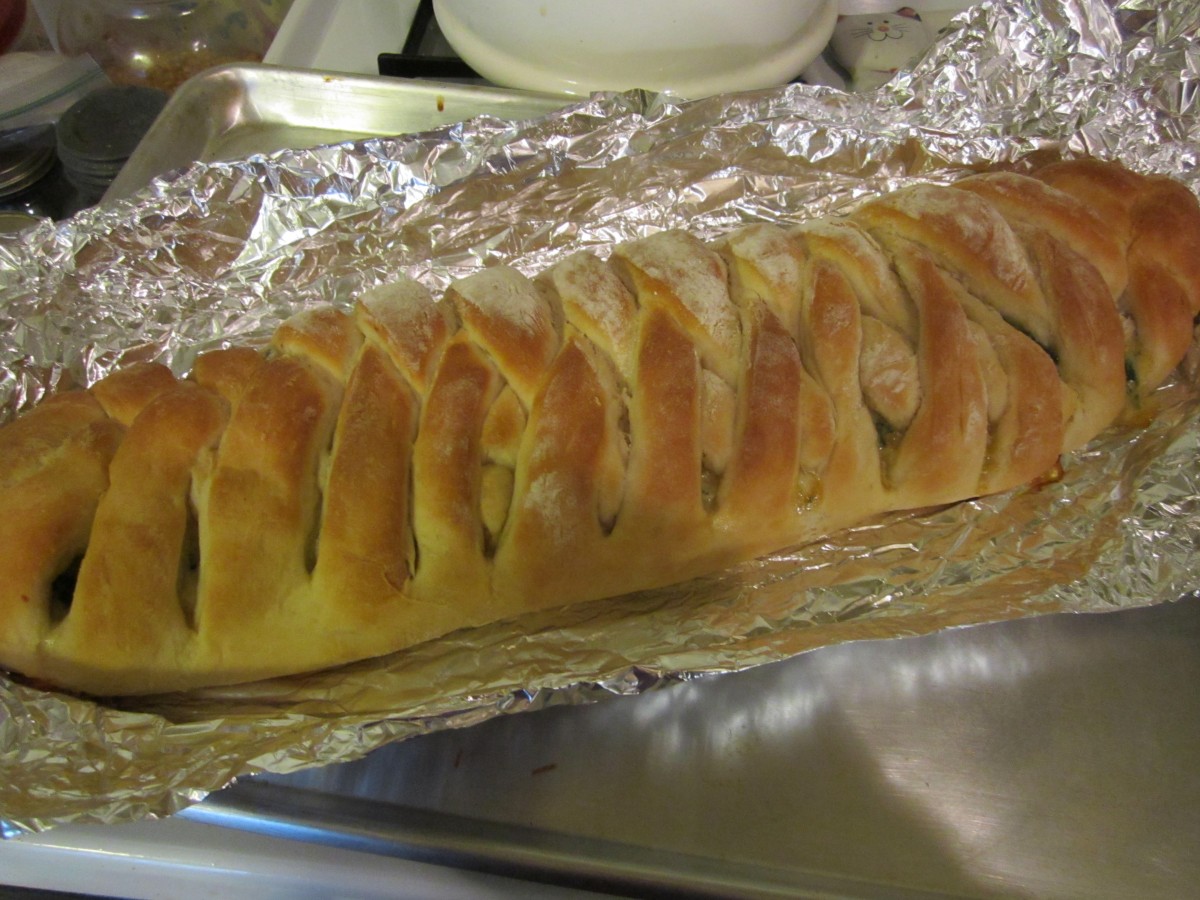
Spinach and Brie Bread
Went to a wine tasting party on Saturday at my dear friends Marge and Larry’s. What a crazy and fun group of friends. I decided to make a filled bread with spinach, kale, onions and several cheese including half a pound of brie. Needless to say it was well received. It looks difficult but is really easy to make. I often make them switching out the fillings. You can fill with meats and cheeses. I like Ham and Swiss, Chicken with broccoli and pizza fillings. For Pizza breads: after rolling out the dough brush with a little oil, spread thick pizza sauce down middle of dough and top with pizza toppings and cheese. Fold up and proceed as directed.
Spinach Filled Bread
3 ¼ c. flour
1 T. sugar
1 t. salt
1 package quick-rising yeast
1 c. hot water
1 T. oil
1 onion, sliced
1 T. oil
4 c. fresh kale, washed and chopped
1 (10 oz.) package frozen spinach, thawed and squeezed dry
8 oz. brie, cubed
2 oz. mozzarella cheese, shredded
1 oz. shredded Parmesan cheese
salt to taste
healthy dash hot sauce
Heat 1 tablespoon of oil in large skillet. Cook onion until wilted and add kale cooking until kale is wilted. Season to taste with salt and hot sauce. Place kale mixture in a bowl and add spinach and cheeses and mix well. Set aside to cool. Meanwhile prepare dough. Set aside 1 cup of the flour. Combine remaining flour with the other dry ingredients in a medium bowl. Stir in water and oil and gradually stir in enough flour to make a soft dough. Turn onto lightly floured surface and knead until dough is smooth and elastic, about 5 minutes. Roll dough into a rectangle about 16 x 8. Place spinach mixture down center of dough. Cut one-inch wide strips of dough from filling to edge on both sides. It will sort of look like fringe. Alternating sides, fold strips up and over the filling at an angle. Carefully lift loaf onto greased baking sheet and place at an angle. Cover with a towel and place sheet on top of a roasting pan half-filled with simmering water for 15 minutes. Take bread and bake in a preheated 400-degree for 20-25 minutes or until golden brown. Cool slightly before slicing. Serve warm and refrigerate leftovers.
Note: The variations for this bread are almost endless. Some favorite combinations are ham and Swiss with mustard, corned beef with Swiss cheese, sauerkraut and Thousand Island dressing, roast beef and cheddar, chicken, broccoli and cheese, Spinach with ricotta or feta and onions, pizza, assorted fillings. You get the idea. Use your imagination and have fun. Just be careful not to overfill, or the bread will be hard to move, use fillings that aren’t too runny and always use cold fillings.
If you want to use regular yeast use warm, rather than hot water. Also, don’t let dough rise over boiling water. After kneading cover dough and let rise 45 minutes. Punch down and assemble as in original recipe. Cover with a towel and let rise until dough looks puffy, about 40 minutes. Bake as directed above. These breads can also be frozen.
Eggplant Recipes

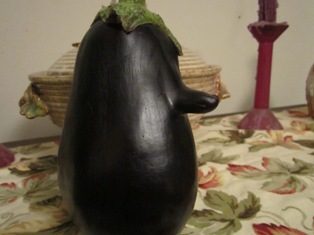 There are still a lot of eggplant at the farm markets and I thought you might be looking for recipes. Here are a few of my favorites.
Herbed Grilled Eggplant
1 large or 2 medium eggplant, peeled and sliced into 1-inch thick slices
Salt
¼ c. Olive oil
Pizza seasoning
3 cloves garlic, minced
¼ c. Parmesan cheese, optional
Marinara sauce of your choice
Place eggplant slices in a large bowl and salt the slices. Let them stand 30 minutes then rinse, drain and pat dry. Brush slices with oil and season with the pizza seasoning and garlic according to your own taste. Broil or preferably grill eggplant, turning often until browned and tender. Sprinkle with cheese near the end of cooking time, if desired. Serve with warmed marinara sauce. Serves 6-8.
Caponata
2 small eggplants, unpeeled and cut into 1/2-inch pieces, about 5-6 cups
1 large onion, chopped
1/2 c. olive oil, or a little more
4 celery ribs, sliced
2 sweet peppers, seeded and chopped
1 heaping tablespoon chopped garlic
3 tomatoes, chopped
1 c. sliced black olives
3-4 T. red wine vinegar
salt and pepper to taste.
Soak eggplant in salted water for at least 15 minutes. Rinse, drain and pat dry. Set aside. Meanwhile in skillet cook onion in 2 tablespoons of the oil until tender. Add the celery and cook until the celery is tender-crisp. Place mixture in a mixing bowl and set aside. Heat 2 tablespoons more of the oil and cook the peppers until tender. Add garlic and cook 1 minute longer. Add the tomatoes and cook 1 minute longer. Add this mixture to onion mixture and return skillet to the heat. Add remaining oil to skillet and cook eggplant until golden brown and tender. You may have to do this in 2 batches. Add remaining ingredients to bowl while eggplant is cooking. When eggplant is done add it to the bowl and mix well., Season to taste. Serve with crusty breads cold, hot or at room temperature. Serves 10-12.
Pasta with Bolognese Sauce
1 lb. ground meat, beef, chicken or turkey
1 t. minced garlic
2 c. marinara sauce
1 t. dried basil
1/2 t. dried oregano
1 can, 14.5 oz., diced tomatoes, undrained
1 c. caponata, see recipe above
1 lb. pasta, cooked, spirals preferred
In non-stick skillet cook meat and garlic until no pink is visible. Drain fat if needed before adding the rest of the ingredients, except the pasta. Heat through and cook 2 minutes. Toss with the pasta and serve. Serves 6.
Eggplant Parmesan
2 large eggplants
salt
flour
oil
1 (15 oz.) container ricotta cheese
1 T. Italian seasoning or pizza seasoning
2-3 c. tomato sauce or marinara sauce
12 oz. mozzarella cheese
Parmesan cheese
Peel and slice eggplant about 1 inch thick. Place in a bowl and slat lightly. Allow eggplant to stand 30 minutes, then rinse and drain. Dredge eggplant slices in flour and sauté in oil until browned and tender. Note: If you prefer you can place eggplant slices on a baking sheet coated with oil and bake in a 400-degree oven, turning once until browned and tender, about 20 minutes. Drain. Place a small amount of sauce in the bottom of a casserole dish. Add a layer of eggplant slices. Combine ricotta with seasoning and spread over the eggplant. Top cheese with a little more sauce and another layer of eggplant. Top with mozzarella, remaining eggplant and remaining sauce. Sprinkle generously with Parmesan cheese and bake, uncovered in a 350-degree oven for about 40 minutes, or until bubbly and browned around the edges. Serves 6-8.
Pumpkin Cupcakes

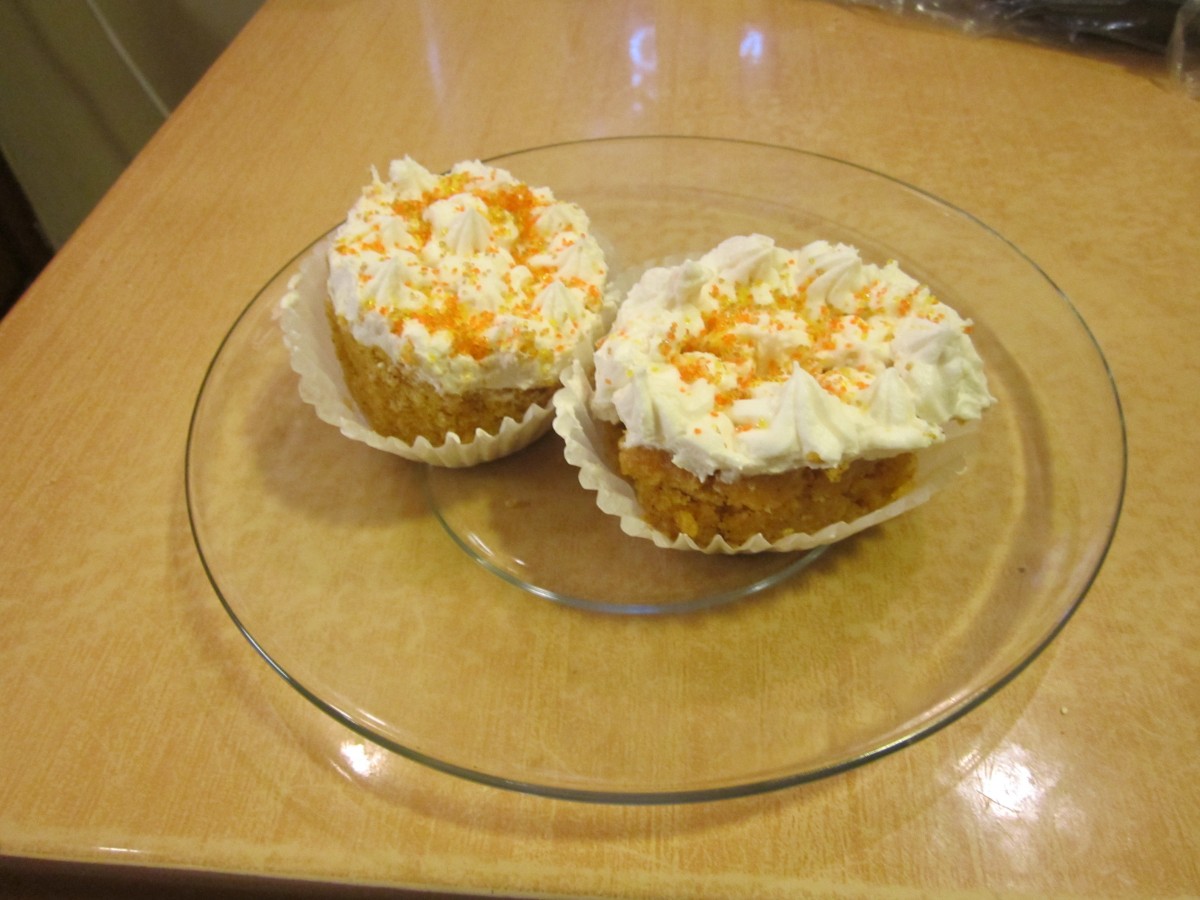 Had a great class in Beachwood today with 50 kids. The big hit was the pumpkin cupcakes. I had to promise we’d have them again next month!!! I also promised some of the kids I’d post the recipe so to Em, Giselle and Anna this is for you!
Pumpkin Cupcakes
4 eggs, slightly beaten
3/4 c. oil
2 c. sugar- I use less
2 c. cooked pumpkin or 1 (15 oz.) can
1 3/4 c. flour
1/4 c. cornstarch
3 t. cinnamon
1 t. nutmeg
1/4 t. cloves
2 t. baking powder
1 t. baking soda
3/4 t. salt
Blend together in large bowl eggs, sugar, pumpkin and oil and set aside. In another bowl combine dry ingredients. Add dry ingredients to egg mixture and beat until well blended. Pour into paper-lined muffin tins, filling about 2/3 full. Bake in a preheated 350-degree oven for 25-30 minutes or until cupcakes spring bake when touched lightly. Cool 30 minutes before frosting. Makes 24-30. Frost with Cream Cheese Frosting or Butter Cream. I used the butter cream frosting recipe but used buttermilk.
Classic Butter Cream
1/3 cup butter
4 1/2 cups sifted confectioners’ sugar
1/4 cup milk or buttermilk
1 1/2 teaspoons vanilla extract
In a bowl beat butter or margarine until fluffy. Gradually add 2 cups of the confectioners’ sugar, beating well. Slowly beat in the 1/4 milk and vanilla. Slowly beat in remaining sugar. Beat in additional milk, if needed, to make of spreading consistency. Tint with food color, if desired.
Cream Cheese Frosting
8 oz. cream cheese
1 lb. powdered sugar
½ stick butter
2 t. vanilla
Beat together until smooth.
Canning- When is it Safe?


Canned mangoes
I had to post this just because in recent weeks I have had several reports of unsafe canning. Not trying to be preachy here folks but you can make you or someone else sick if you don’t follow the rules. Having said that- if you do follow rules and use reliable recipes canning is safe.
The biggest misconception seems to be that as long as the jars sealed they are safe. NOT TRUE!!!! As long as you put hot food into a jar even a short processing time will likely seal the jars. That does not mean the foods inside were processed long enough to kill any possible pathogens. Some years back I had a lively conversation with one of my community gardeners because an out of date Blue Book said you canned green beans in a boiling water bath for 3 hours. She thought they had to be safe. Trouble is you can boil the beans for 3 days the water in a boiling water bath will not go over 212 degrees F. The spores for botulism are killed at 220 degrees.
Lets talk about the 2 basic kinds of approved methods: water bath and pressure canning. A boiling water bath is for fruit products ( juices, jellies , jams etc.), pickled products and tomatoes if the have been acidified. Pressure canners are used for non-pickled vegetables, convenience foods like soup and chili, meat, poultry and fish.
A water bath canner requires jars to be completely submerged in the water and covered to a depth of 1-2 inches over the jars. The water should be boiling when you add the jars to the canner and processing timing starts when water returns to the boil. In the case of pickles processing is done when water is at a simmer. Don’t short the time and if you live at higher elevations ( over 1,000 ft.) processing times are longer. When the time is up remove the jars and allow them to cool down out of drafts.
Pressure canners differ somewhat in their directions. Some require 3-4 inches of boiling water in the canner and others require a specific amount of water. Follow the directions that came with your canner. Jars are placed in the canner with the boiling water and it is closed. Under high heat the canner must be vented for 10 minutes and then fitted with a gauge to register the internal pressure- usually 10 pounds. timing starts once the canner reaches pressure. Once it has reached pressure you can turn the heat down. Maintain enough heat to keep it at pressure but not to go over. Once the time is up the canner is removed from the heat and allowed to cool until a vent- that will have popped up after the canner was vented- falls down naturally. This can take 30 minutes or even up to an hour. Once the vent has dropped you wait one more minute then remove the lid- opening it away from you as it will still be very steamy in the canner. Now the jars can be placed on a counter to cool. You can’t rush the process by placing the canner in cold water. You just have to wait.
The sound of the jars “plinking” will let you know they are sealed. Following the correct times and procedures will assure you that they are safe.
Remember- use reliable recipes-follow the times- ask for help if you aren’t sure. I love to can and promote it all the time. It worries me to think that someone could get ill or lose their stored foods through spoilage when all they had to do was change a few practices. Be safe people!!!
Cabbage Dishes

Yesterday at Blue Pike Farm CSA members got fresh picked beautiful heads of cabbage. I promised some recipes for cabbage so here they are.
Sweet and Sour Cabbage
3 lbs. Sliced cabbage, about a 3 ½ lb. head or 3 lbs. Cole slaw mix
1 onion, sliced
1 T. oil, butter, margarine or even bacon fat
3 c. water
1 T. paste type soup base or to taste
½ t. thyme
1 t. dillweed
1 t. marjoram
1 T. soy sauce
1 T. Worcestershire sauce
¼ c. balsamic vinegar
2 T. sugar
½ c. catsup
1 c. water
¼ c. flour
Sauté onion in oil until wilted. Bring water to boil in large pot. Add soup base and add cabbage. Stir in onions and remaining ingredients, except for the 1 cup of water and flour and cook, uncovered until cabbage is tender. This can take from 15-25 minutes, depending on the age of the cabbage and the size of the pieces. In jar with a tight- fitting lid combine remaining water and flour and shake until smooth. Add to cabbage mixture and cook, stirring until thickened, about 2 minutes. Adjust seasonings. This dish is great served alone, or with pork or chicken dishes or with potatoes.
Red Cabbage Salad
8 oz. shredded red cabbage
salt and pepper
1 small onion, sliced thin
4 tart apples, peeled cored and diced
1 T. each sugar and cider vinegar
2 T. oil
2 t. Dijon mustard
Place shredded cabbage in a colander sprinkling with salt after each layer is added. Allow to stand for a couple of hours, then drain cabbage and squeeze out any liquid. Place cabbage in bowl and toss the cabbage with the onion and apples and pepper to taste. Mix remaining ingredients and toss over cabbage.
Serves 4.
Cabbage and Noodles
1 onion, chopped
Oil
4-6 cups chopped cabbage
4 c. cooked noodles
Salt and pepper to taste
Fresh or frozen chopped parsley
Heat oil in skillet and cook onion until wilted and a little brown. Add cabbage and stir fry until cabbage in tender. Stir in noodles and stir until heated through. Season to taste and toss in parsley. Serves 4.
As American as Concord Grape Jelly

 When it comes to all American fruit there are only 3 fruits native to North America- cranberries, blueberries and concord grapes. So what could be more American than Concord grape jelly? This is the time of year when they are abundant in our backyards and at farm markets. A friend asked me recently what he might do with harvest of Concord grapes in his front yard. I suggested making grape jelly. Home made grape jelly is so much more than anything you can find at the super market.
To make the jelly, any jelly really, you need juice.
To make grape juice: Wash, stem and crush the grapes. For every gallon of crushed grapes add 1 cup of water. Cook over medium to medium low heat until fruit is very soft. Don’t bring this mixture to a boil. It will cause crystals to form in the juice. Place juice in a dampened jelly bag to drain or in a strainer lined with several layers of food-grade cheesecloth. Don’t press down on the fruit or you will force solids through the bag and you’ll cloud the juice. Once juice is finished draining you can chill it to make jelly within a day or two. Juice should be chilled at least 12 hours. Strain again before using in case tartrate crystals have formed.
To make grape jelly:
4 cups Concord grape juice- from about 3-4 pounds of grapes
3 cups sugar
Combine juice and sugar in saucepan and bring to a boil. Cook over high heat, stirring constantly until jelly reaches the gel point or until jelly sheets off the spoon.* Remove from heat and skim off foam, if needed.** Ladle hot jelly into clean jelly jars leaving 1/4 -inch head space. wipe rims and cover with 2 piece lids. Process in boiling water bath for 10 minutes. Makes 4 half-pint jars.
*OK- I know some of you are thinking, “What?” Well, you dip a cool metal spoon in the jelly and lift it out then tip the spoon and watch the jelly as it pours off the spoon. At first the jelly will just pour off but as it gets closer to the gel state it will start to pour off the spoon in more of a sheet- like a little ( OK very little) jelly waterfall. You can also tip the spoon and watch for 2 drops of jelly to come together and drip off the spoon as one big drop. You can also put a small amount of the jelly onto a chilled plate. Place plate in freezer until jelly cools down to room temp. Run your finger through it. It should separate then slowly come back together. If this is making you crazy just buy a box of pectin and follow the directions for grape jelly. It will gel just fine with pectin.
** To reduce the amount of foam you can add 1 teaspoon of butter to the juice right at the beginning of the cooking process . It will reduce or completely eliminate the need to skim off foam.
Hope this helps, Jared.
Food Dehydrating

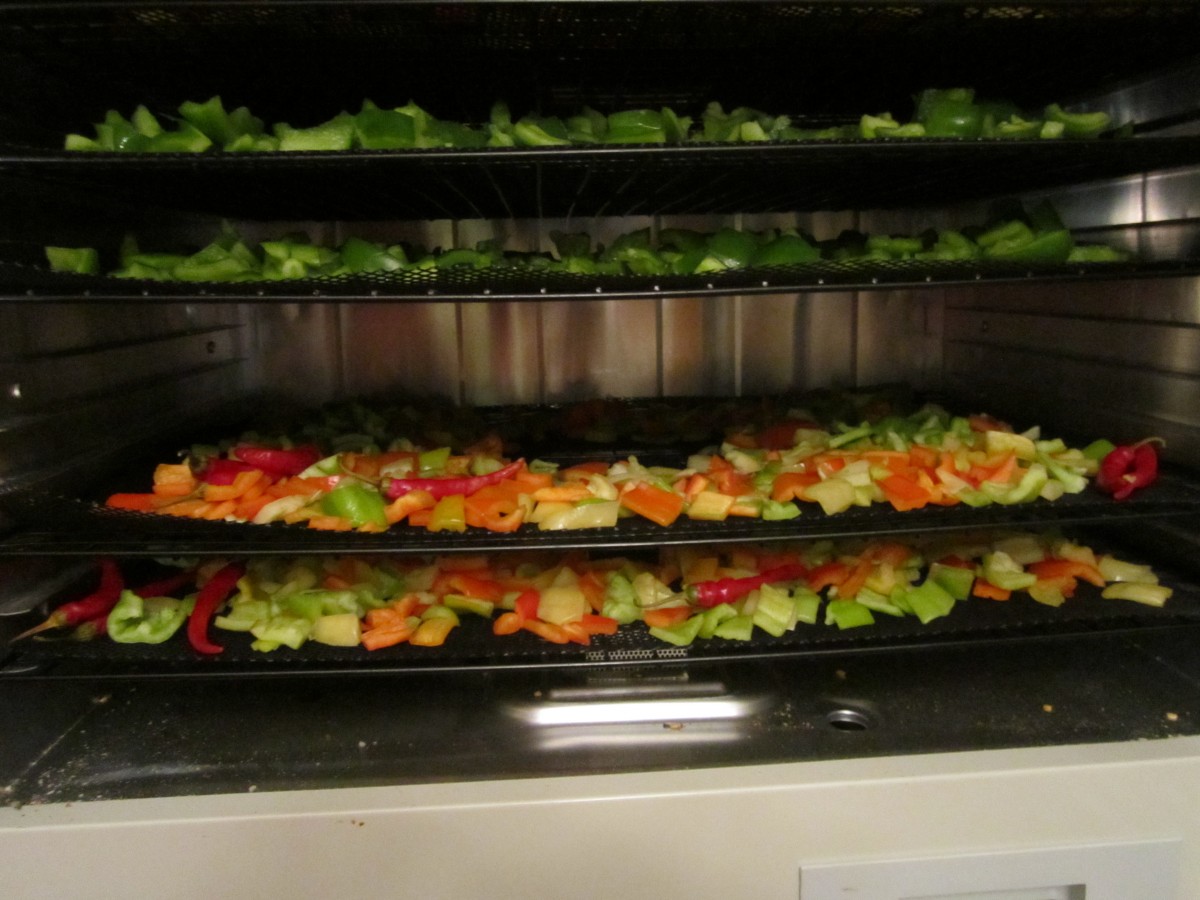
Peppers in the dehydrator
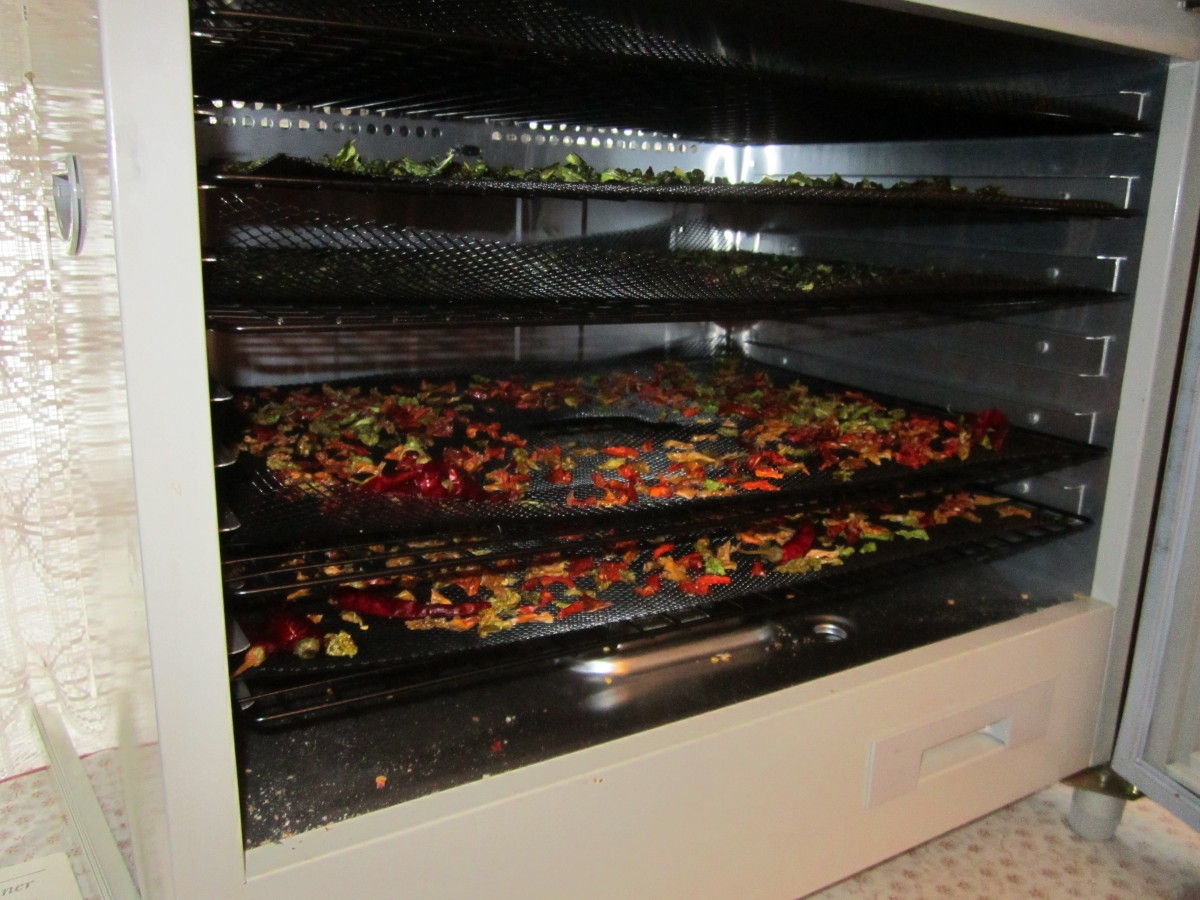
With many of us swimming in produce and short on time food dehydrating might be a smart choice. Recently I was faced with more sweet and hot peppers than I was prepared to deal with. Freezing is fine, but my freezer is pretty full. I opted to dry them instead. For peppers it is as easy and chopping up, placing on the trays and drying. Once dried I store the peppers in air-tight containers in a cool place. You can even place them in the freezer or fridge to keep them fresh longer. The real advantage here is space. Dried foods lose most of their volume so they take up a lot less room. Like other vegetables the peppers are dried until quite crisp- 5% moisture or less. Later they can be added to soups, stews, salsas etc, where they will absorb liquid and become tender. Or you can powder them up and use to flavor dishes. Use dried sweet peppers where you might use paprika and dried hot peppers where you might ass cayenne. They are great additions to chili, too.
Food Preservation Workshop- Whole Foods
I am going to be doing a Food Preservation class at Whole Foods. Here are the details for registration. Seating is limited so reserve your place quickly.
Monday, Sept. 10 6:30-8:00 p.m.
Learn how to preserve the fruits and vegetables of summer at a preserving/canning class with Judi Strauss. Beginners welcome! Bring your canning questions and find out how easy it is to get started!
RSVP for this class at Whole Foods Cedar Center Customer Service or by calling 216-932-3918. 20 spots available. Cost $10. Payable to instructor the night of the class. Includes a light salad dinner courtesy of Whole Foods Market.
Tiramisu

Sue’s Tiramisu
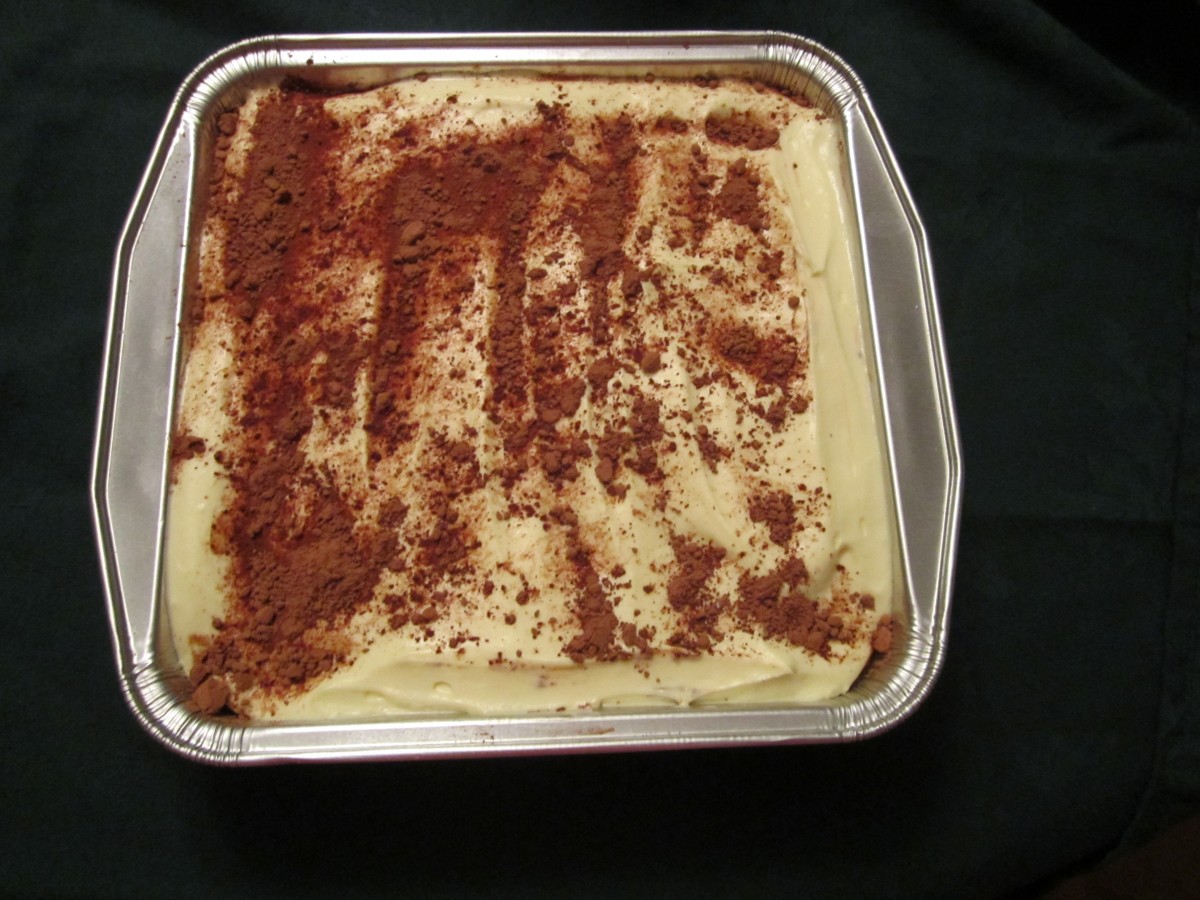
Today is the birthday of a close friend of mine. Sue loves Tiramisu and so for her birthday I like to make it for her. She likes it so much we call it “Tira for Sue”. I made this one for her yesterday so she could wake up and have some for breakfast. It is both rich and light and I must admit it is a favorite dessert of mine, too.
Tiramisu
5 egg yolks
1/4 c. sugar
1/2 c. Marsala wine (not cooking wine)
1 c. whipping cream
2 T. sugar
1 lb. mascarpone cheese
2 c. strong coffee, room temp.
2 T. sugar
1/2 c. brandy
1 T. vanilla
48 ladyfingers
3 T. cocoa
Make zabaglione (egg custard). In double boiler, over simmering water, beat together egg yolks and sugar until lemon colored. Stir in Marsala and continue cooking, stirring constantly until mixture thickens and will mound on a spoon. This will take about 10 minutes. Remove from heat and cool down. You can place in bowl in fridge 30 minutes or so. Beat together whipping cream and sugar until stiff peaks form. Beat in mascarpone and chilled zabaglione. Chill 1 hour. Stir together coffee with remaining sugar, brandy and vanilla and set aside. Assemble tiramisu by placing 16 of the ladyfingers in the bottom of a 9×13-inch pan. Drizzle about 1/3 of the coffee mixture over the ladyfingers, about 1 tablespoon each. Top with 1/3 of the cream mixture and sprinkle with 1 tablespoon of the cocoa. Repeat this process 2 more times until all ingredients are used. Chill until ready to serve. Serves 12.
Corn and Zucchini Saute
Here is a quick and easy seasonal recipe for using up some of the zucchini we all seem to have right now. Also a nice way to enjoy local sweet corn.
Quick Corn and Zucchini Sauté
2 sweet peppers, seeded and cut into strips
2 medium zucchini, sliced
Oil
2 c. corn kernels cut from cobs, about 4 ears
1 t. minced garlic
½ t. Italian seasoning
salt to taste
In oil cook peppers and zucchini until crisp tender, about 5 minutes. Add remaining ingredients and cook 4 more minutes, or until heated through. Serves 6-8.