Garbanzo Harvest

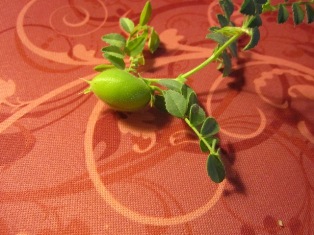
The first pod
Well, it finally happened. I harvested my first garbanzo bean. Yes, bean, singular. There has been suggestion that I make a really small pita bread for the hummus. Thanks, Jonathan. I’m working on it. Still it is a start. There are a few more pods forming and some more flowers. Considering I was just growing them for the sprouts I see each little bean as a bonus. I look forward to more little garbanzos in the weeks to come- but nothing quite equals your first!
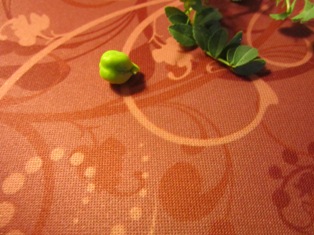
The bean
First CSA from Blue Pike Farm

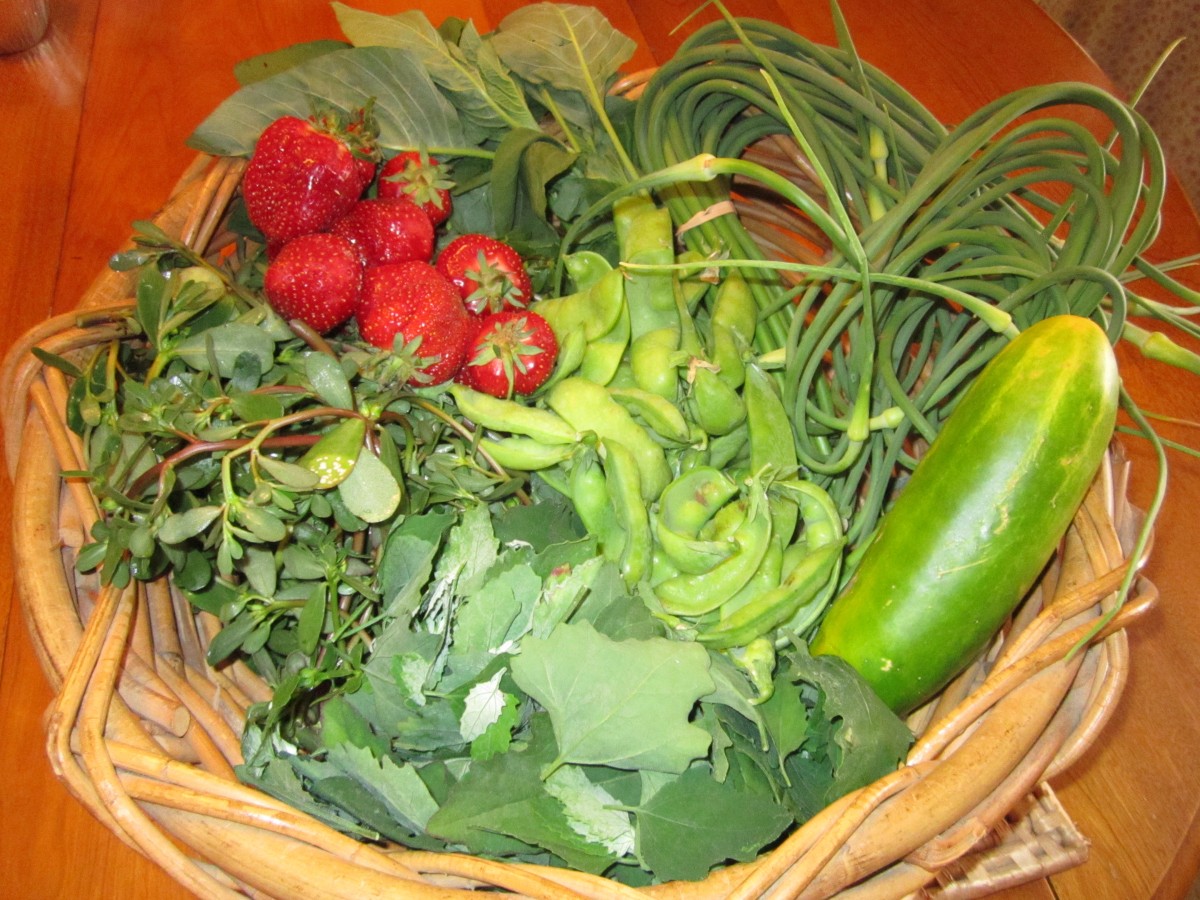 I just got my first bag of goodies from Carl and Blue Pike Farm today. I’ll be getting a share every week as part of my CSA. In case you don’t know CSA stands for community supported agriculture. You pay a flat fee to a local farm and throughout the season you get a share of the harvest. Carl provides a shopping bag that each member is asked to bring each week to be refilled. What I plan to do is provide recipes for each week’s bounty. So during the season each week I’ll have new recipes for the wonderful produce I will be receiving.
Today’s bag included a cucumber, strawberries, lambs’ quarters, purslane, garlic scapes, sugar snap peas and some amaranth (red root pigweed). If you aren’t familiar with some of the items I’ve listed this should help.
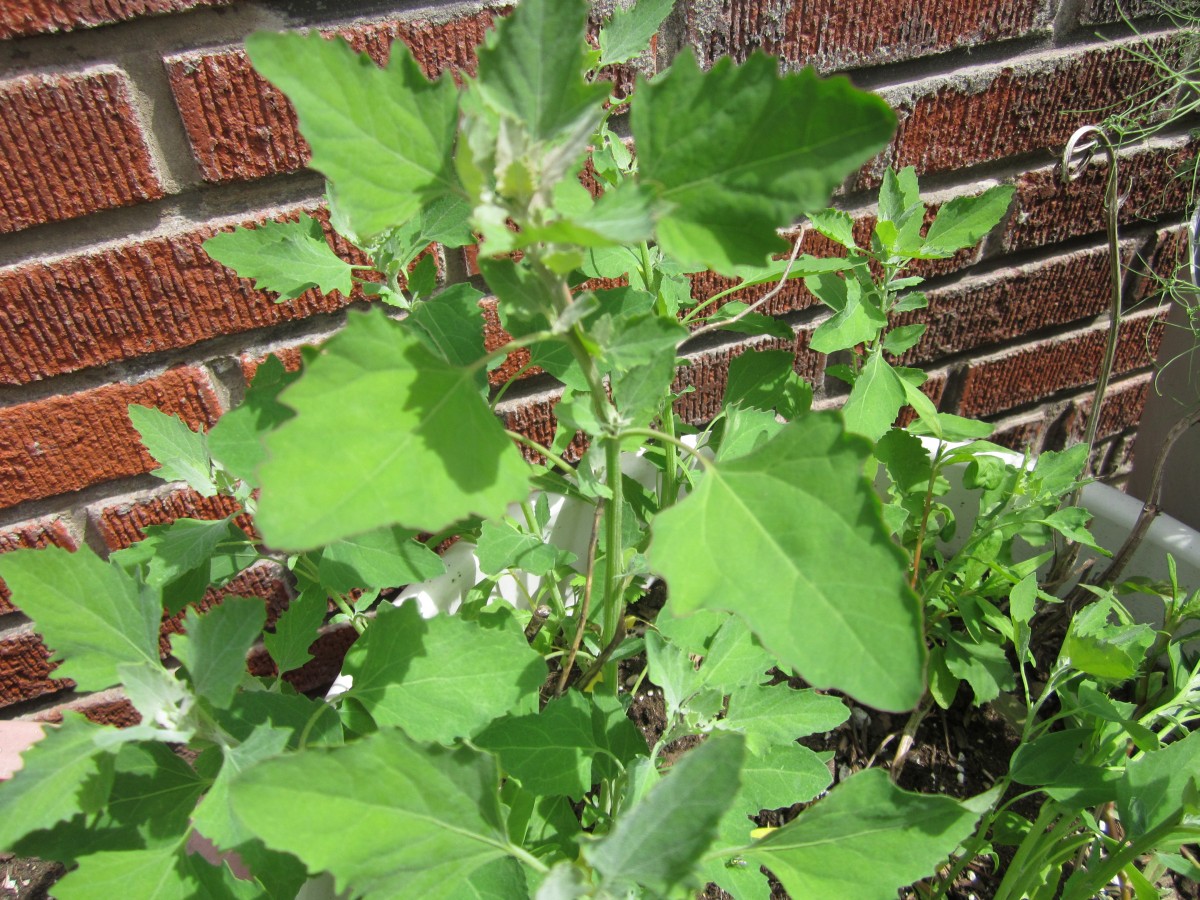 Lambsquarters
This common weed is a great spinach substitute. It is easier to grow, re-seeds, well, like a weed and is actually better for you. The leaves of this plant are shaped like Christmas trees, or the webbed foot of a goose. Thus, the family of plants is known as the goosefoots. Full of calcium, phosphorous and protein, they contain more vitamin C than citrus fruits and more vitamin A than carrots. Use the greens as you would spinach, but cook plenty, they wilt down. I always freeze extra to enjoy all winter long. The seeds are also edible and can be used in baked goods. In some farm markets they are called “Belgian” Spinach.
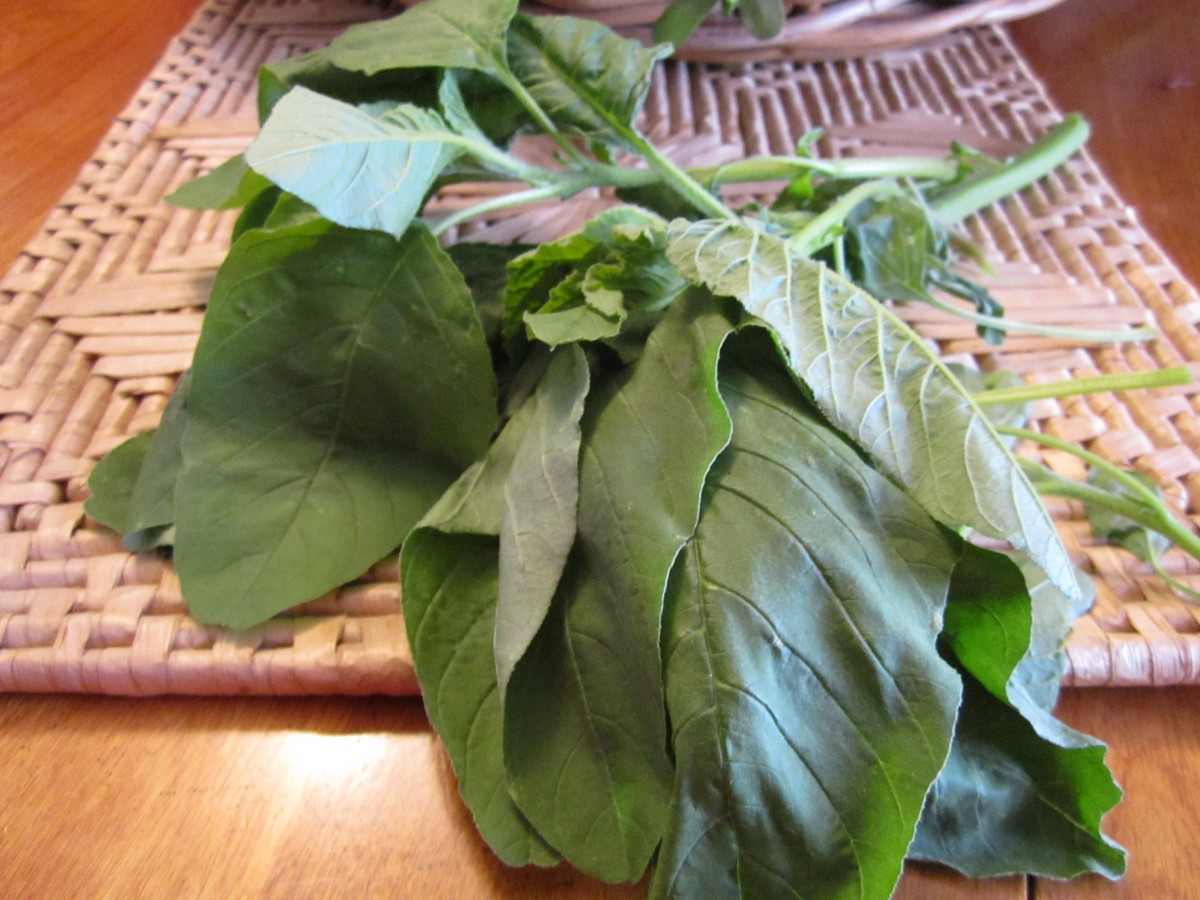 Red Root / Pigweed
Don’t you love common names? Red root is actually green amaranth. Related to the same amaranth used to make flour (seeds). The leaves, like lambsquarters and dandelion are among the most nutritious foods you can eat. Pigweed grows anywhere the ground has been cultivated, and will return from one year to the next so you will always be able to find it in the same spot. The large leaves are somewhat almond shaped, but more pointed on the ends. The plants can get 6 feet tall in good ground but can be picked anytime. Cook as you would spinach.
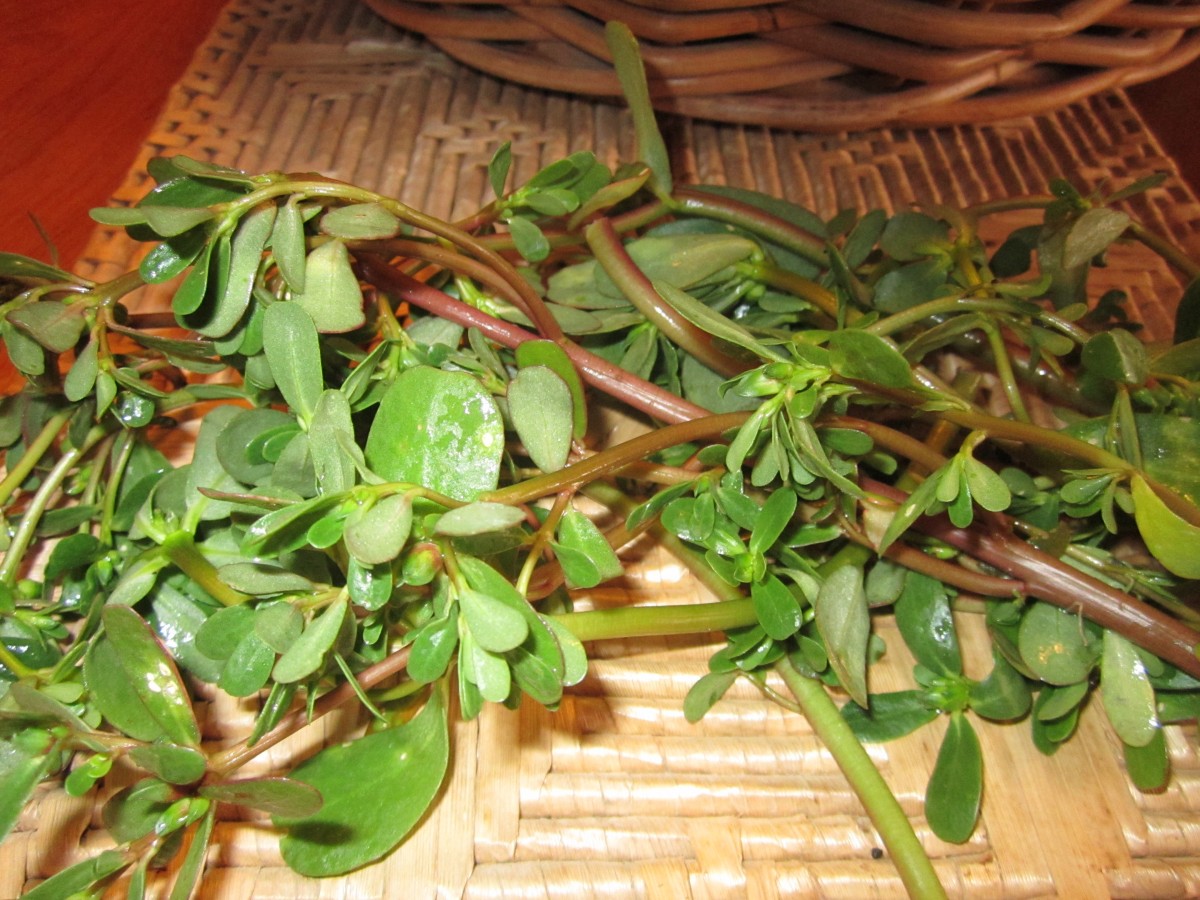 Purslane
Purslane is commonly sold in markets in Europe, but in the States we still delegate it as pest rather than resource. What a shame. The leaves these creeping, fleshy-leaved plants add a crunchy tartness to salads and can be steamed as a vegetable.
Purslane Salsa
2-3 cups purslane leaves and small stems, broken or cut into bite-sized pieces
½ c. chopped sweet onion
½ c. chopped sweet pepper
½ c. cider vinegar
½ c. oil
¼ c. chopped cilantro
Salt and hot pepper sauce to taste
Wash purslane and place in a medium bowl. Add vegetables and stir. Combine vinegar, oil and seasonings in a jar with a tight-fitting lid and shake well. Pour over purslane mixture and mix well. Cover and chill. Serve with tortilla chips.
Creamed Lambsquarters
4-6 c. fresh lambsquarters, washed and stemmed
1 T. butter or margarine
1 c. milk
2-3 T. flour
Salt and pepper to taste
1/2 t. dill weed
Cook greens in a small amount of water and drain when heated through or wilted. Return to pot and add butter or margarine. Place milk and flour in jar with tight fitting lid and shake until well mixed. Add to lambsquarters and cook, stirring constantly until thickened and bubbly. Season to taste and serve. Serves 2-3.
Note: You can also use pigweed in this recipe as well as spinach or a combination.
Homemade Liqueurs

 Just finished doing a class in homemade liqueurs. Thanks to Joan for hosting the event. It was so much fun to spend time with such warm people and that was before they started drinking!!!! We had an array of liqueurs to chose for tasting. I tend to do a lot of fruit-based mixes but we also had cinnamon Kahlua. They are super easy to make. Just start with fruit- steep in alcohol then strain, filter and sweeten, if desired.
Definitions
Liqueur – From a Latin word which means to dissolve. Flavors are dissolved into an alcohol base.
Cordial – Used interchangeably with liqueur, probably referred to fruit based drinks originally
Ratafia – Another word used in place of liqueur. Since toasts were drunk when treaties were “ratified” it is suggested in the book, Brandies and Liqueurs of the World, that this could be the source of this word.
Eau de vie – In French it means water of life. These refer to spirits and liqueurs that have been distilled or flavored with no added sweeteners.
Creme de – Refers to extra sweet liqueurs. By content 40% sugar will result in a “Creme de” designation. Usually doubling the amount of sugar or sugar syrup in a recipe will make it a “Creme de”.
Alcohol– choices include vodka (80 proof is good) which is most often used and can also include brandy, gin, rum, or whiskey.
Sweetening– Simple syrup is made from 1 cup of sugar and ½ cup of water. Bring to a boil, then cool. You will have 1 cup of syrup. Some recipes call for plain sugar and others for honey. Watch when you substitute honey for sugar, as it is sweeter and stronger flavored. Better to use orange or clover honey.
Here are a few recipes you might like.
Strawberry
3 cups fresh berries, sliced
3 T. powdered sugar
3 c. vodka
1 c. sugar syrup
Sprinkle powdered sugar over berries and let dissolve. Pour over vodka and let steep 2 weeks. Crush berries and strain then filter. Add sugar syrup and mature 1 week. Makes 5 cups.
Blackberry or Blueberry
4-c. fresh berries
Sliced and scraped peel of one lemon
1 clove
3-c. vodka or 2 c. vodka and 1 c. brandy
1 c. sugar syrup
Lightly crush berries with a fork. Combine with peels and clove and vodka and steep 3 months. Strain and filter and add sugar syrup. Mature 4-6 weeks.
Note: I often leave the blueberry unsweetened and make a Blueberry Eau de Vie.
This is one of the recipes we had today. Great tossed salad with spring mix.
Fruity Vinaigrette
2 oz. raspberry or cranberry vinegar
1 oz. balsamic vinegar
1-T. fruit flavored liqueur
1 T, sugar
Pinch of salt
½ c. olive oil
Combine all but the oil and mix well. Whisk in oil by hand or drizzle slowly into blender while running. Makes 1 cup.
Vidalia Onion Relish

 I love this recipe and try to make bunches of it when they are in season. You can use any sweet onion, but I prefer the Vidalia onions for it. I started my day making blueberry jam and finished with the relish. House smelled sweet all day- now smells “oniony”. Worth it, though. 🙂
Vidalia Onion Relish
6 qts. ground Vidalia sweet onions (14 to 16 med. onions)
1/2 c. canning salt
1 qt. cider vinegar
2 t. turmeric
1T. pickling spice
2 T. minced sweet pepper, any color
4 1/2 c. sugar
Grind enough Vidalia onions to yield 6 quarts. Add 1/2 c. salt and let stand thirty minutes. Squeeze juice from onion‑salt mixture and discard juice. Sterilize canning jars. To onions, add vinegar, sugar, spices, and pepper. Bring to boil and cook for thirty minutes, stirring often. Pack both onions and cooking liquid to cover in hot jars, leaving 1/2 inch head space. Remove air bubbles. Wipe jar rims. Adjust lids. Process 10 minutes in a boiling water bath. Yield: About 8 pints or 16 half-pints.
Source: So Easy To Preserve
Blueberry Jam and Blueberry Scones


Blueberry Jam
It’s that time of year again. Berries are starting to show up at local markets. I enjoy eating them fresh by the handful. I always put some fruit up to enjoy year round. I’ll dehydrate, freeze and bake with them. I also like to make jams, jellies and preserves. Today I made blueberry jam. Lots and lots of blueberry jam. It will make me think of summer some snowy days many months from now. It’s an easy recipe. Just 2 ingredients and some time. You can use other berries in this recipe- either alone or in combination with the blueberries. I also will be making blueberry scones for breakfast.
Blueberry Jam
9 c. crushed fruit
6 c. sugar
Pick over berries getting any stems. rinse , drain and crush. Place berries and sugar in a large saucepan and heat slowly until sugar had melted. Bring up heat and cook over high heat, stirring often. Stir more as mixture thickens. It will take 20-30 minutes to get to the gel stage. To check for gel stage dip a metal spoon in blueberry mixture and hold it up sideways. Allow mixture to drip off and when two drops come together to form one larger drop- you are at gel stage. Ladle hot jam into clean, hot jelly jars. Fill to within 1/4 inch of the top. Wipe rims and place on lids prepared according to directions on box. Screw lids comfortably tight. Place jars in boiling water bath with water at least 1-2 inches over the tops of the jars. Cover pot and start timing when water returns to the boil. Process 15 minutes. Remove jars to towel, cutting board or cooling rack in a draft-free location. Check seals once jars are cooled. Makes 8-10 jelly jars.
Blueberry Scones
2 c. flour
3 T. sugar
1 T. baking powder
¾ salt
6 T. chilled butter
1 ½ c. blueberries
1 t. lemon zest
2 large eggs
1/3 c. heavy cream
Mix dry ingredients together in bowl and cut in butter to resemble coarse crumbs. Toss in blueberries and zest. Beat together eggs and cream and stir into flour mixture. Mix very gently to avoid bruising berries. Press into 6×6-inch square. Cut into 3×3 inch squares, then into triangles Place on baking sheet, brush with a little cream and sprinkle with a little extra sugar. Bake in a preheated 400-degree oven for 20-22 minutes. Makes 8.
Parker and the Gang of Four

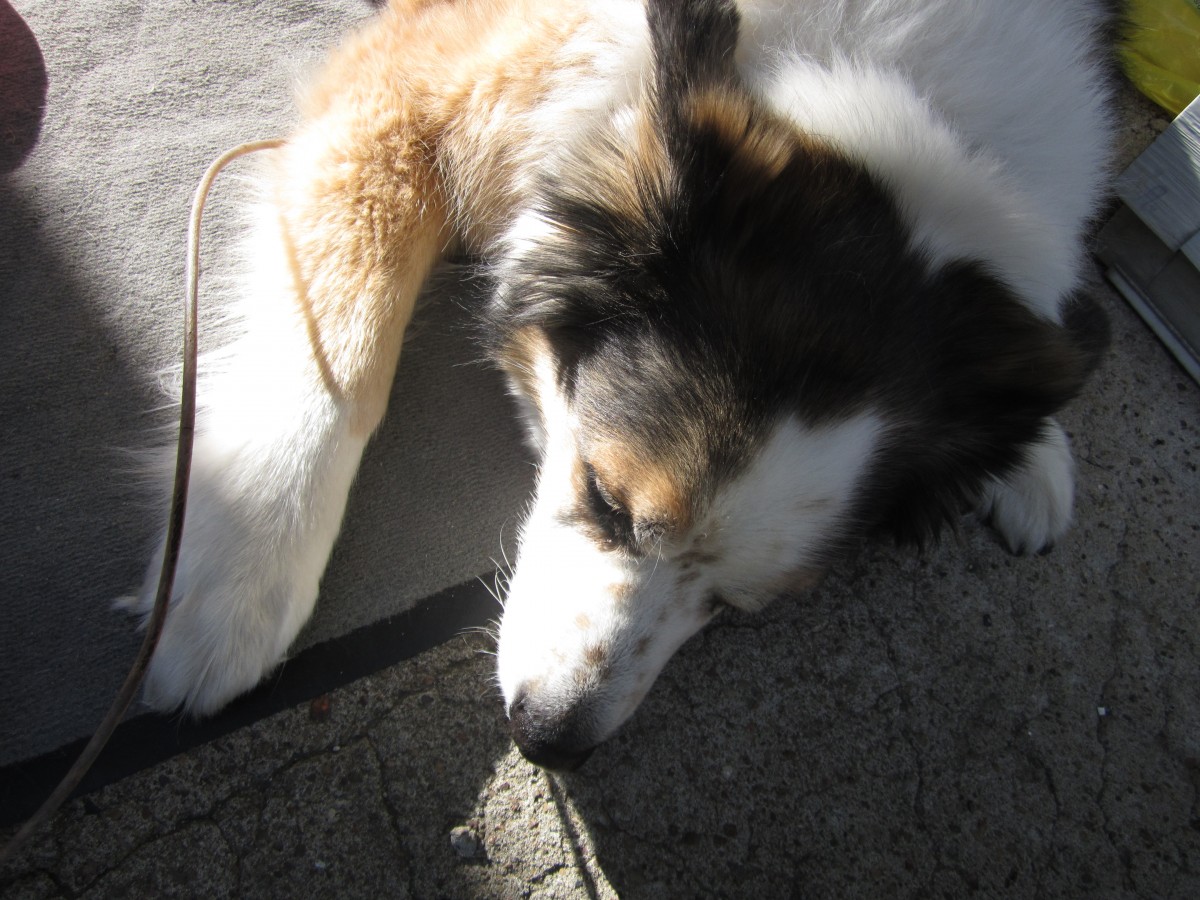
Parker nodding off
There is something to be said for doing yard work on a cool day. I managed to clean out and prep the bed for greens and beets. Emptied out all the containers of compost I got from Carl yesterday at Blue Pike Farm. Thanks Carl. Worked them in to the herb garden and greens bed. Planted lots of basil, too. I have at least 24 in the ground and in large planters and still have more basil. Pesto for everyone!!!! Didn’t get everything done but this time of year there is always more to do.
I did get distracted for a while by Parker and his pursuits. Parker is going to be 13 soon. He is down to three legs and his remaining back leg gets a little stiff on cool days. When he is with me in the garden he generally finds a shady place and settles in. Today was different, though. Today there were squirrels. A rowdy group of 4 squirrels were having a big time row about something. They chattered and ran up and down the tree next door. Its branches hang low into my yard. Parker was so excited he ran and barked and bounced around like a dog half his age. They even ran along the fence several times with Parker in hot pursuit. The “Gang of Four” went on with their fight for over an hour seemingly oblivious to the dog barking below them.
Parker is now fed and happily nodding off. All in all a good time. 🙂
Butternut Squash Cupcakes with White Chocolate Frosting

Had a great day at the Coit Road Market today. Celebrating its 80th birthday. Special props to Kevin Scheuring for his wonderful food. It was a great day to hang out with friends Lisa Schnee, Linda Park, Pat Hartmann and more. I made cupcakes and promised to post the recipe so here it is. Since I still had a couple of butternut squash left over from winter I decided to use one of them for this recipe. Thanks to my sister Cindy for getting the squash for me in Michigan last fall.
Butternut Squash Cupcakes
4 eggs
3/4 c. oil
2 c. sugar
2 c. cooked butternut squash, you can use pumpkin, too
1 3/4 c. flour
1/4 c. corn starch
2 t. baking powder
2 t. cinnamon
1 t. baking soda
1 t. ginger
3/4 t. salt
1/2 t. cloves
Preheat oven to 350. Beat together eggs, oil, sugar and squash. Mix dry ingredients together and beat into egg mixture. Line muffin cups with paper liners and fill cups about 2/3 full. I used mini pans and got 10 dozen cupcakes. You’ll get about 3 dozen in standard sized pans. Bake 30 minutes for regular cupcakes. The mini ones were bakes in 10-12 minutes. Cool before frosting.
White Chocolate Frosting
12 oz. white chocolate
1 lb cold butter
3-4 cups powdered sugar
Melt chocolate- I used a microwave. Cool chocolate and place in mixing bowl. Cut butter into pieces. Beat in butter a stick at a time. Beat in powdered sugar until frosting is the desired thickness.
These were a big hit today. I hope you enjoy them. If you read this blog but haven’t clicked the “follow” button I would really appreciate it. Thanks.
Salad Dressings and Kale Chips

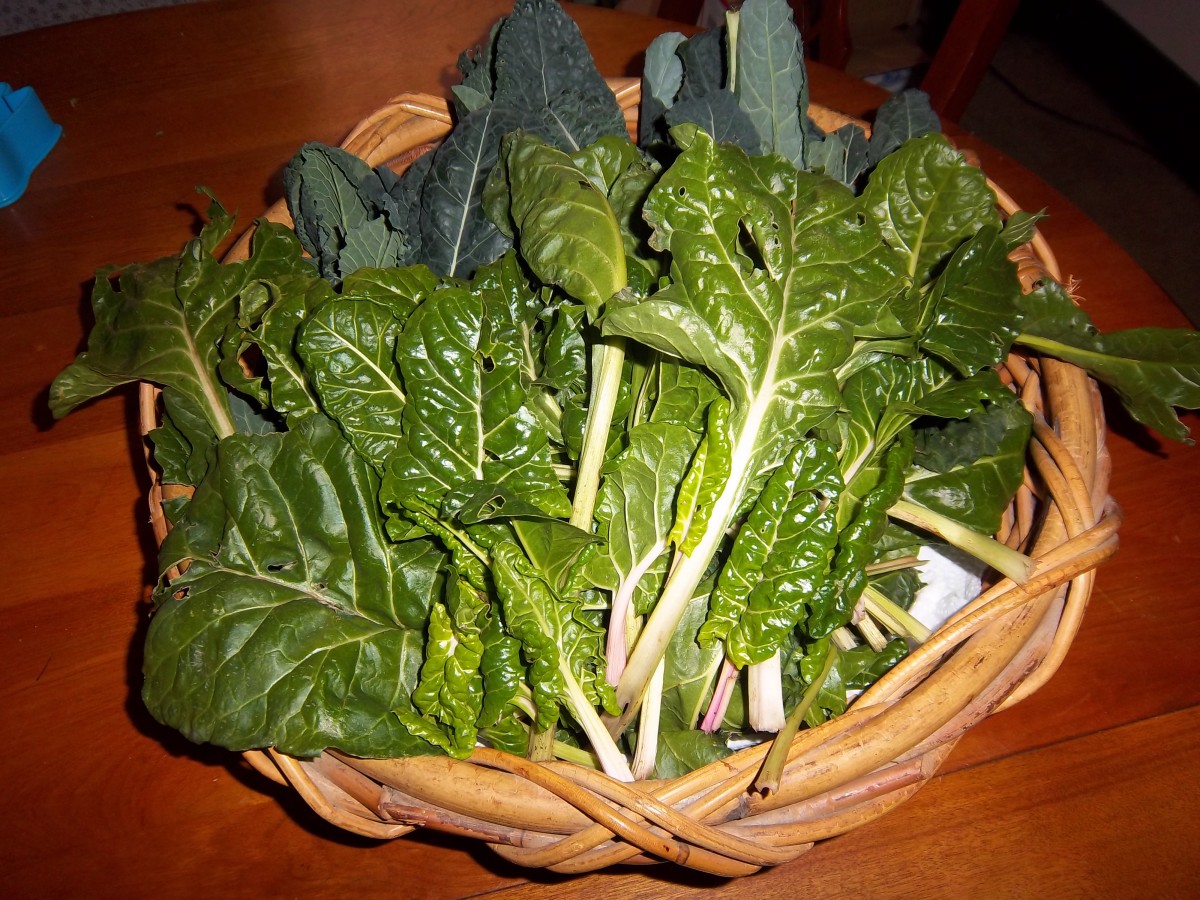 Local gardens and farms, in part due to a warm spring, are brimming with fresh greens. There is nothing quite so nice as a fresh salad on a warm day.
My friend Benjamin mentioned that since greens are abundant now he and his group could use some recipes for dressings. Here are a few of my favorites. He also mentioned kale chips. I love them. My dinosaur kale will be made into chips throughout the year so I have also included directions for how to make them.
Lemon Dill Dressing
¾ c. olive oil
½ c. lemon juice
1 T. Dijon mustard
1 T. dill, minced
3 cloves garlic, minced
¼ t. each cumin and paprika
Salt and pepper to taste
Combine all ingredients in blender until smooth. Makes 1 ¼ c.
Raspberry Vinaigrette
½ c. raspberry vinegar
3 T. minced chives, optional
1 T. each lime juices and honey
Salt and pepper to taste
¼ c. each olive oil and walnut oil or ½ c. olive oil
Combine all but the oils in a blender and mix well. Add oils in a slow stream with machine running until dressing is blended. Makes 1 cup.
Fresh Herb Vinaigrette
¼ c. red wine vinegar
¼-1/2 c. fresh herbs such as parsley, basil, thyme, chervil etc., or a combination
½ t. celery seed
Salt and pepper to taste
1/3 c. oil
Combine all ingredients in blender and blend for 15 seconds. Makes about 1 cup of dressing.
Tuscan Kale Crisps
These make a different and fun appetizer when served upright in a tumbler or vase.
12 large Tuscan kale leaves, rinsed, dried and split lengthwise with the ribs removed
1 T. olive oil
Sea salt and fresh ground pepper to taste
Preheat oven to 250 degrees. In a large bowl toss kale leaves with the oil and season with salt and pepper. Arrange leaves in a single layer on 2 large baking sheets. Bake until crisp- about 30 minutes for flatter leaves and 33 minutes for more crinkly leaves. Makes 24.
Note: Any kale can be used for these crisps.
Yummy Chicken

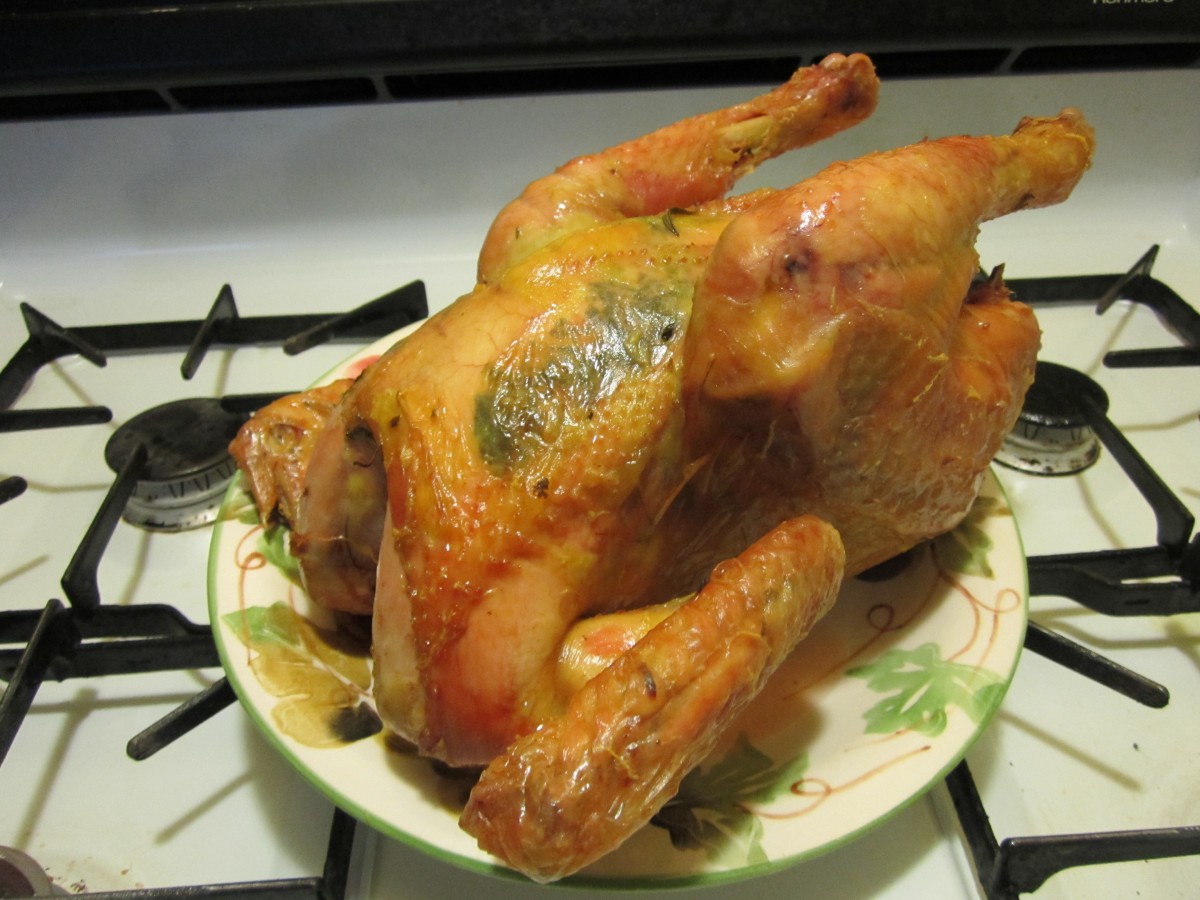 Had a wonderful chicken dinner on Memorial Day. My dear friend Carl, from Blue Pike Farm had a freshly processed chicken and he offered it to me. I, in turn, offered to have him over for dinner to share. It is a breed called Naked Neck. Now I don’t want to hurt Carl’s feelings but in life these are pretty ugly birds. The bird weighed out at 5 1/2 pounds. It was also organically raised- quality feed, free range and very lean. I did not want to to mess it up. I have roasted hundreds of chickens but I do know that mass produced chickens are different. I went on to a foodie group to seek advice. The responses were amazing. Finally decided to follow the advice of some one who has dealt with similar birds. Jenny Rocco suggested using a compound butter under the skin. She was so right. Thanks, Jenny. Because the bird was so lean it needed a little extra fat to keep it juicy during baking. I mixed butter with rosemary, parsley and some hot sauce plus a generous shake of salt. Worked the mixture under the skin. I started the bird at 400 breast side down. After 30 minutes turned down the heat to 350 so the butter wouldn’t burn. After an hour of total baking I turned the bird breast side up. This method keeps the breast from cooking too quickly and reduces the need for basting. 30 minutes later it was done. Let it rest a few minutes before carving. Let me say the chicken was delicious. Juicy and while firmer than regular store-bought chicken it was not tough. We rounded out dinner with fruit salad, broccoli salad and potatoes cooked with beets, onions and chard and garlic scapes, also from Blue Pike Farm.
In most situations- with a conventional bird- I like a very hot oven to crisp the skin. This method would not have worked, I am convinced with this leaner locally produced bird. Lesson to be learned- all chickens are not created equal. If you are like me and plan on buying more locally sourced and humanely raised poultry be prepared to be flexible in your cooking methods. The results will be worth it.
Eco Friendly Weed Killing
First, let me say before my foraging friends attack me- I do not want you to kill all your weeds. Most are benign, some are pretty and many are edible. But sometimes there are plants in unwanted areas. I am referring to plants growing up in cracks in the pavement or sidewalks or between brick walkways. I used to pour boiling water on them- at it worked pretty well. But it is annoying if you have large areas to cover. It does notwork all the time, either. I got a post from a friend the other day suggesting using white vinegar. Cheap, eco- friendly and using it will make your yard smell like pickles. Now be advised- do not pour the vinegar onto areas where other desirable plants are growing. It will kill everything and mess up the pH of your soil. This is for use on concrete and other paved areas. Just pour vinegar over the plants and well, wait. It will take a few days to completely kill then but after day 1 they should be looking pretty sad. The pesky plants in my driveway are all brown and dried up. No dangerous herbicides around- extra important if you have children or pets and it is very inexpensive Let me know how it works for you. To keep the area weed free for the whole season mist the cracks every week with more vinegar.