Fresh Blackberry Ice Cream

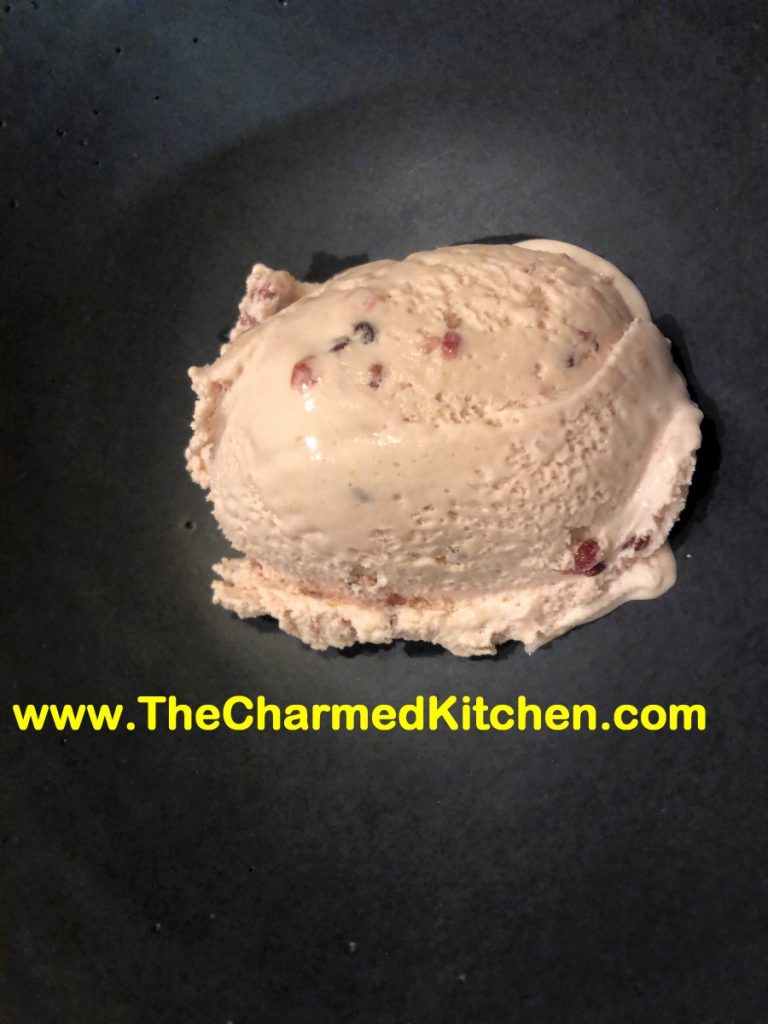
I am so happy with this ice cream. The flavor came out just right. The texture is super creamy and not too sweet. The chunks of blackberry add just the right amount of tartness. I love fruit based ice creams, but I never made blackberry ice cream before. I will be making it again, for sure.
I have had the inspiration to make a new recipe for all sorts of reasons. Sometimes creative reasons, or sometimes nostalgic feelings. This ice cream came about because of expiration dates. I had both heavy whipping cream and half and half that needed to be used up soon. I didn’t want to freeze them and I wasn’t going to waste them. Since I had a carton of blackberries in the fridge, it seemed only natural to make a blackberry ice cream. I don’t always add eggs to my ice cream, but I had a dozen eggs that needed to be used, too.
Whatever the motivation, this ice cream is one of my favorites. There is a little more work to making an egg-based custard ice cream. But the extra effort is worth it. The texture is so creamy.
With any fruit based ice cream, you don’t want to just put raw fruit in the mixture and freeze it. That will cause the fruit to get big ice crystals. Fruit can be cooked first, like I did with the berries in this recipe, or the fruit can be frozen, then thawed before being added to ice cream base.
So here is the recipe. I left a little wiggle room on the amount of sugar you add to it. Before someone asks- yes- you can sweeten with honey, if you prefer. Just use a light hand. Honey is sweeter than sugar. Enjoy!!
Blackberry Ice Cream
6 oz. blackberries, washed
1 large orange
½ c. sugar
1½ c. half and half
1 c. heavy whipping cream
3 egg yolks
¾ c. sugar- or a little more or less to taste
1 t. vanilla
In medium saucepan, place the blackberries. Zest the orange and add the zest to the berries. Juice the orange and add the juice to the berries along with the ½ cup of sugar. Heat until mixture comes to a boil. Reduce heat and simmer until mixture starts to thicken, about 6-8 minutes. Stir occasionally. Don’t let it burn. Remove mixture to a bowl to cool down. You can use the same saucepan to heat the half and half and cream to a low boil. In a small bowl, beat together the egg yolks, sugar and vanilla. Add ½ cup of the hot cream mixture to the eggs, whisking in well. Add another ½ cup of the cream mixture, whisking again. Add one last ½ cup of the hot cream and again, whisk until smooth. Pour the egg mixture into the saucepan with the cream and while whisking, simmer until mixture starts to thicken and will coat the back of a spoon. This will take about 5 minutes. Don’t use too high a heat, or you will scramble your eggs. Mixture should reach 160 degrees to be sure eggs are cooked. Remove from heat, stir in reserved blackberry mixture. Pour mixture into a bowl. Allow ice cream base to cool down, then chill in fridge. Chilled mixture can be frozen in an ice cream maker once cold- in a few hours- or even the next day. Once mixture has been frozen in ice cream maker, place in a container and freeze until ready to serve. Makes about 5-6 cups of ice cream.
Strawberries and Cream Bread

I have posted this recipe before, but have been getting requests for it, so I thought it was worth sharing again. Since strawberries are in season, it seemed like the right time to post this recipe.
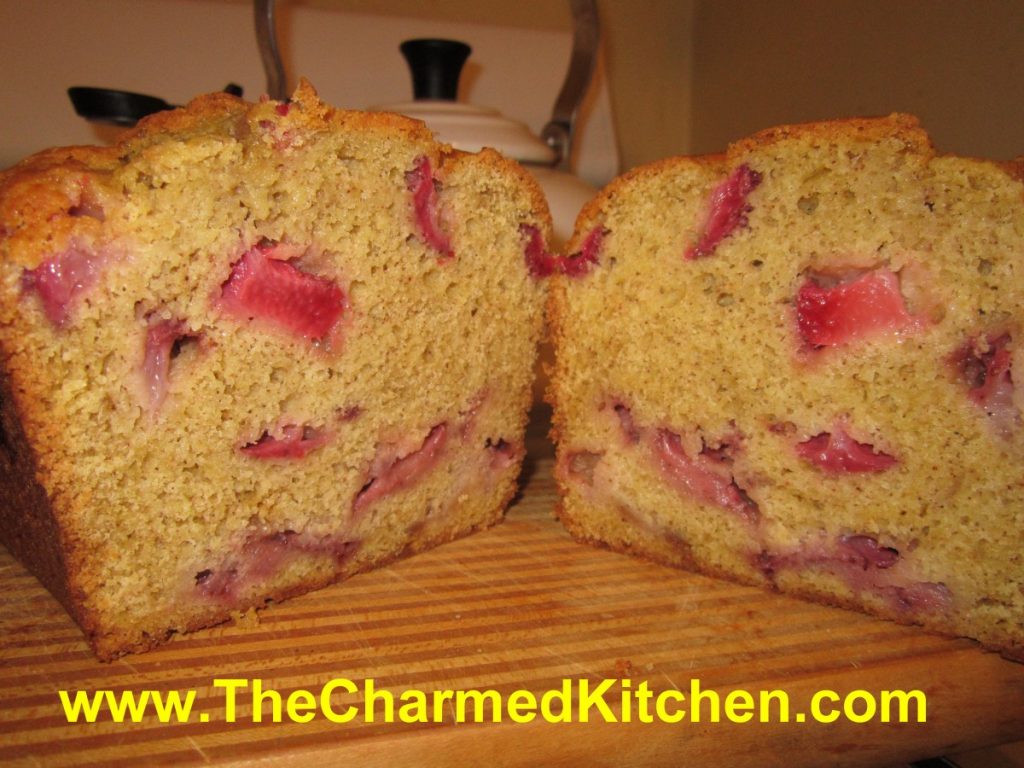
This is one of my favorite quick breads. The bread is tender and full of the sweet taste of fresh strawberries.
The batter will be very thick- don’t worry- it is supposed to be that way. When it bakes, the juices from the fresh berries keeps it moist.
I always end up making a double batch, one loaf to eat fresh, and one to give as a gift, or freeze.
This bread is fine just the way it is for dessert, or you can top with sliced strawberries, ice cream, whipped cream or some melted chocolate. Or top it with all of them!!
Here is the recipe. Enjoy!!
Strawberries and Cream Bread
1 ¾ c. flour
½ t. baking powder
½ t. baking soda
½ t. salt
½ t. each cinnamon and nutmeg
½ c. butter, at room temperature
¾ c. sugar
2 eggs, room temperature
½ c. sour cream, room temperature
1 t. vanilla
1 c. fresh strawberries, coarsely chopped*
¾ c. chopped nuts, optional
Grease an 8×4 inch loaf pan and preheat oven to 350 degrees. In a large bowl combine dry ingredients. Set aside. In small bowl beat butter until creamy. Add sugar and beat 1 minute. Beat in eggs one at a time. Beat in sour cream and vanilla. Stir in flour mixture until just moistened. Fold in strawberries and nuts and place batter in prepared pan. Bake 60-65 minutes, or until toothpick inserted in center comes out clean. Let stand in pan 10 minutes. Remove from pan and cool on wire rack. Makes 1 loaf. Freezes well.
* frozen berries are not recommended in this bread.
Herbal Cocktails

If you don’t think of using herbs in cocktails, maybe you should. They add a depth of flavor that can take things to a whole new level.
Of course, minty mojitos and mint juleps are classics. Still, there are even more ways you can use herbs in drinks.
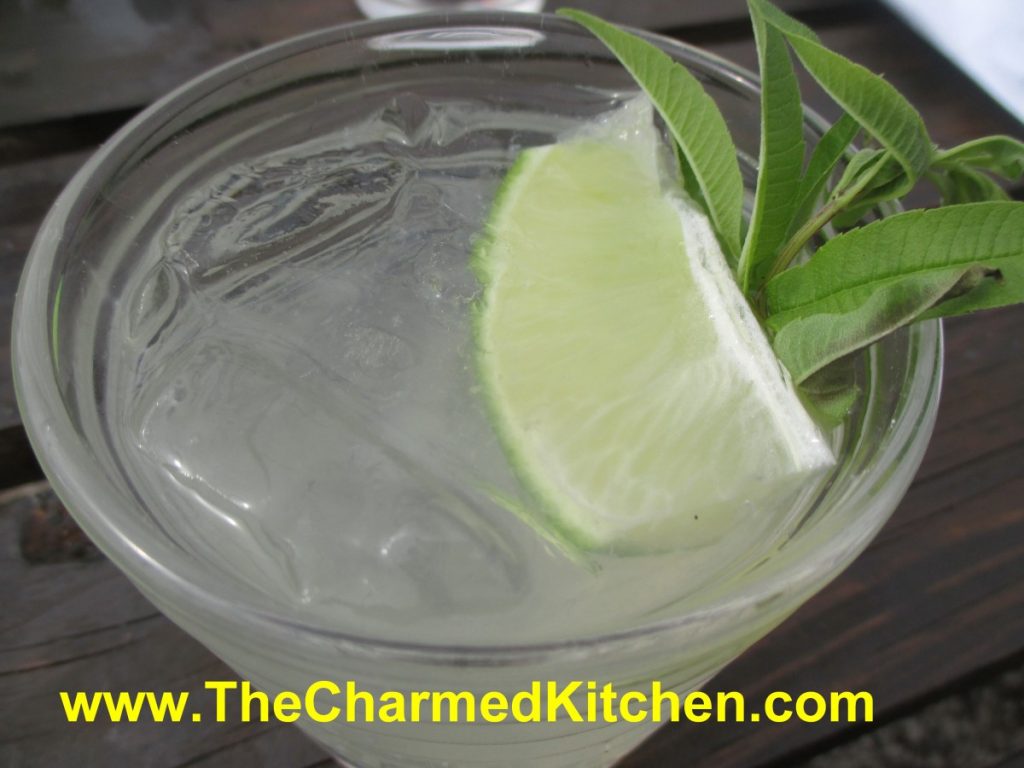
I put together three recipes that use herbs in cocktails. The classic mojito, a gin cocktail that uses lavender syrup, and a spin on a gimlet, using lemon verbena.
These are great drinks for summer, or any time, really.
Try adding other herbs to your cocktails. You might be surprised at just how tasty they can be.
You can plant a few herbs, too. That way, they will be handy for making drinks.
So here are the recipes. I hope you try them and enjoy them as much as I do.
Classic Mojito
10 mint leaves, I used a variety called Mojito mint, that has a slight lime flavor
½ a lime, cut in 4 wedges
2 T. sugar
1½ oz. rum
1 c. ice cubes
½ c. club soda
In glass place mint leaves and one wedge of lime. Muddle to release juices and bruise mint leaves. Add sugar and 2 more wedges of lime. Muddle until limes are crushed. Add rum, stir well. Add ice, stir and top with club soda. Garnish with lime wedge.
Lemon Lavender Cocktail
2 oz. gin
1 ½ oz. lemon juice
1 ½ oz. lavender syrup (recipe follows)
splash of club soda
some ice
one lemon slice, for garnish
Pour gin, lemon juice and lavender syrup into a glass and stir. Top with club soda, add some ice and garnish with a lemon slice.
For the lavender syrup:
¾ c. water
¾ c. sugar
1 tablespoon dried lavender buds
Combine sugar and water in a small saucepan. Add lavender and cook on low heat until sugar is dissolved. Bring to a boil and cook for 2-3 minutes, just until it starts to thicken a bit. Then set to the side to cool. Strain out the lavender and refrigerate. Yields just under a cup of syrup.
Lemon Verbena Gimlet
Lemon Verbena Syrup, recipe follows
¾ c. dry gin
¾ c. club soda, chilled
¼ c. fresh lime juice (about 2 limes)
Lemon verbena sprigs (optional)
Lime slices (optional)
Combine verbena syrup, gin, soda, and juice. Serve over ice. Garnish with verbena sprigs and lime slices, if desired. Serves 4.
Lemon Verbena Syrup
1 cup water
¼ c. sugar
¼ c. torn verbena leaves
Combine 1 cup water and sugar in a small saucepan. Rub torn verbena to bruise; add to pan. Bring sugar mixture to a boil, stirring gently as needed to dissolve sugar evenly; cook 30 seconds. Remove from heat; cool completely. Strain mixture through a sieve over a bowl; discard solids.
Cherry and Blueberry Clafoutis

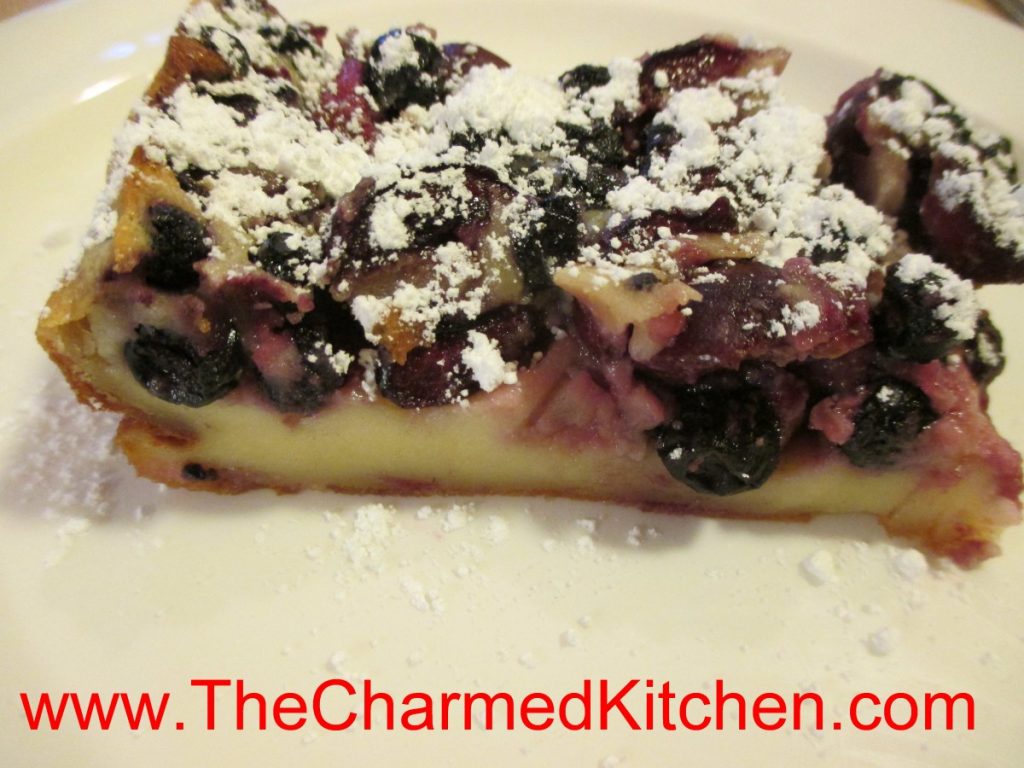
So what is clafoutis? Clafoutis is a sort of pancake, sort of custard, sort of quiche. It is a lovely dessert for fresh fruit, for sure.
You can serve clafoutis plain, or topped with powdered sugar or whipped cream. On a hot day, I like to serve it with a scoop of ice cream.
Clafoutis is really simple to make, too. You start by putting the fruit in a prepared pan. The batter is made in a blender, and takes just a couple of minutes to prepare. You pour the batter over the fruit- and bake.
I used cherries and blueberries in this one, but you can use all sorts of fruits- peaches, plums, raspberries…..
Most people enjoy it as a dessert, but it is also nice with that morning cup of coffee.
I used a combination I thought would make a nice dessert for summer.
Cherry and Blueberry Clafoutis
2 c. pitted cherries, I cut them in half, but you can leave whole
1 c. blueberries
3 eggs
1 c. sugar
3 T. melted butter
½ c. flour
2 t. vanilla extract
1 t. almond extract
pinch of salt
1 c. half and half
powdered sugar, optional
Grease a 9×9-inch baking dish or pie pan. Preheat oven to 350 degrees. Place cherries and blueberries in the prepared pan. In blender, combine eggs, sugar, butter, flour, flavorings and salt.* Blend until smooth. Add half and half and blend again until smooth. Pour batter over the cherries and blueberries. Bake for 45-50 minutes or until clafoutis is browned around edges and puffed up. Allow to cool and dust with powdered sugar, if you like. It will deflate as it cools. Serves 6.
* You can whisk the ingredients together by hand, if you prefer.
Chicken Florentine Soup

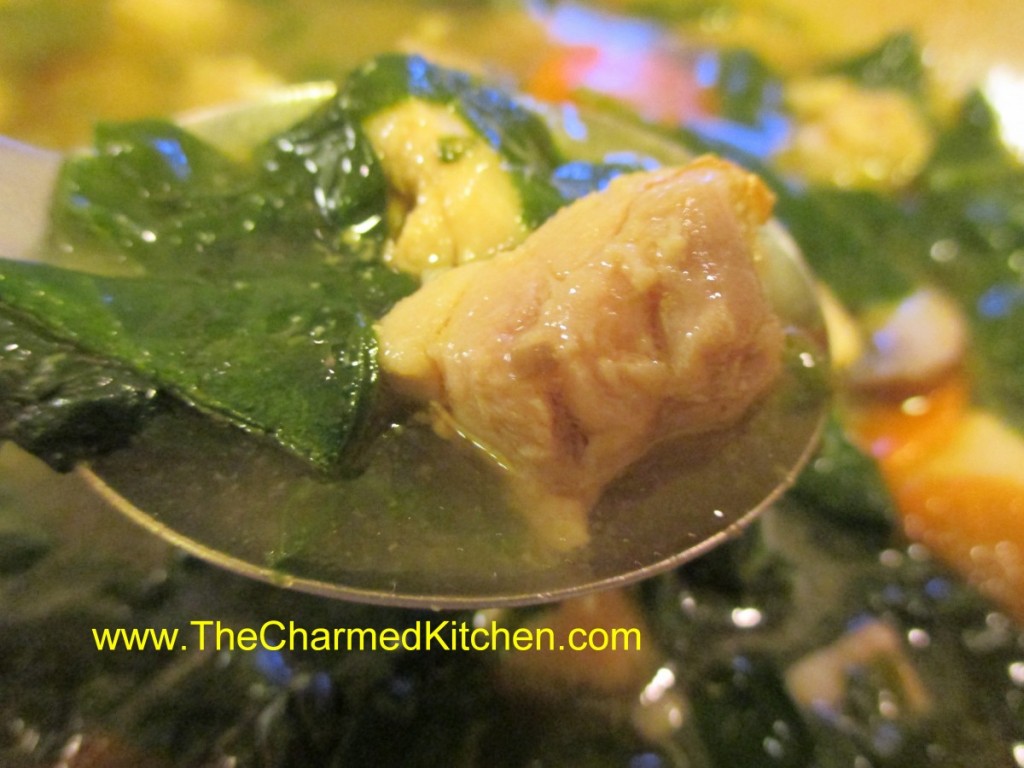
This soup is warm and comforting. It was a nice choice for an unseasonably chilly evening. It was one of those spur of the moment recipes that really exceeded expectations. I just had a few ingredients to start with- one of those times when you look through the fridge for inspiration and get lucky.
I knew I was making soup, and that I had chicken and chicken stock. Adding onions and carrots to soup- pretty standard for me. I’ve been on a spinach kick lately so that seemed like a natural addition as well. Found a few mushrooms I’d forgotten about, and put them in, too.
For some reason it was such a perfect combination. I love when it works that way. I am also happy when I remember to write down what I did so I can make it again someday- and share the recipe with all of you. Since the soup has spinach as a central ingredient, I decided to call it Chicken Florentine Soup. So here is the recipe.
Chicken Florentine Soup
2 T. oil
1 medium onion, sliced
1 large carrot, peeled and sliced thin
6-8 cups chicken stock
1½ lbs. boneless, skinless chicken, cubed – I used thighs
1-2 c. sliced mushrooms – I used the baby Bellas
8 oz. fresh spinach, washed well
¼ c. chopped fresh parsley
Salt and pepper to taste
Dash of hot sauce
Heat oil in soup pot and cook onion until tender. Add carrot and cook a few minutes more. Add stock and bring to a boil. Reduce to simmer and cook 10 minutes. Add chicken and mushrooms and cook 10 minutes longer. Add spinach and cook 5 minutes more. Adjust seasonings and serve. Makes 6 servings
Peach and Blueberry Cake


This cake is the perfect summer dessert. It is moist and filled with the fruits of summer. It also travels well, so you can box it up and take it along to the park for a picnic or to a cookout.
The cake is pretty simple to make. The batter can be mixed by hand- no need for long beating times or for getting out the mixer. In the time it takes to preheat the oven, you can have the cake ready to bake.
The batter and fruit are layered in the pan, along with the cinnamon sugar.
I added a citrus/powdered sugar glaze, once the cake was cooled, but it is optional.
So here is the recipe.
Peach and Blueberry Cake
1 c. oil, I used avocado oil
4 eggs
1 t. vanilla
1/3 c. lime juice- you can use lemon, instead
3 c. flour
2 c. sugar
3 t. baking powder
¼ t. salt
2 medium peaches, peeled, pitted and sliced
1½ c. blueberries- fresh or frozen
½ c. sugar
2 t. cinnamon and set aside
Glaze:
1 c. powdered sugar
1 t. lemon zest
2 T. lime juice- or enough to make glaze of pouring consistency.
Grease a 9×13 inch pan. Preheat oven to 350-degrees. Combine oil, eggs, vanilla and juice. Stir until smooth. Set aside. In medium bowl combine flour, 2 cups of sugar, baking powder and salt. Stir to combine dry ingredients, then add the oil/egg mixture. Stir until batter is smooth. It will be thick. Place ½ of batter in prepared pan. Arrange peach slices on batter and top with the blueberries. Combine the ½ cup of sugar with the cinnamon. Sprinkle on ½ of the cinnamon mixture. Pour on remaining batter and sprinkle with remaining sugar mixture. Bake 45 minutes, or until cake tests done. Cool. Serve the cake as is, or make the citrus glaze and drizzle it over cooled cake. Serves 12.
French Sorrel

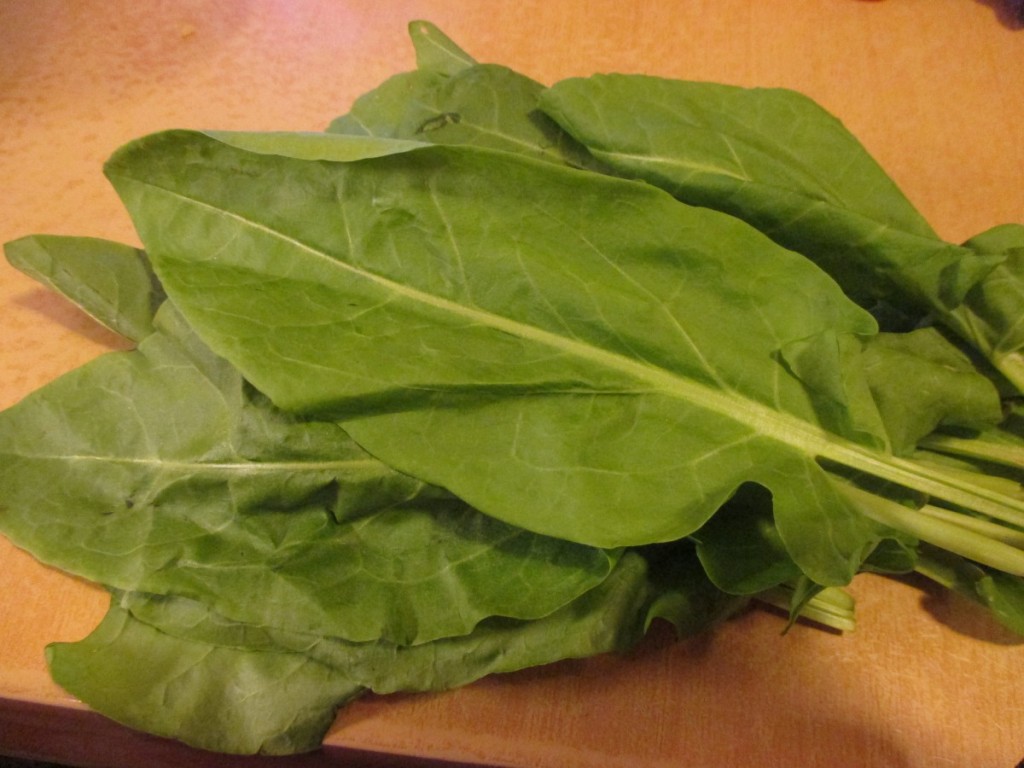
Sorrel is also known as French sorrel and garden sorrel. It’s a member of the dock family and its less cultivated relatives can be harvested in most any field. The sorrel grown in herb gardens produces larger leaves, and is milder in flavor, than its wild cousins. French sorrel produces large, pointed leaves on 6″ stems. When in flower, the plant sends up flower stalks that can reach more than 3′ in height.
Sorrel can be started from seed, either indoors or directly sown in the garden. You can also buy plants at garden centers that carry herbs. It can be hard to find plants in some areas.
Sorrel is a hardy perennial and will produce tasty leaves for many years, once established. It prefers full sun and well-drained soil. The leaves have a sour, almost lemony flavor that is used in dishes like sorrel soup. The lemony/sour flavor makes sorrel a natural match for seafood.
Young leaves can also be served raw in salads. To encourage new, tender growth sorrel can be cut back to the soil line. New leaves will start to grow soon after cutting back. Used raw, young sorrel leaves can be added to soups and sauces, egg or pasta dishes. Because sorrel leaves are high in oxalic acid, they should be eaten in moderation. Or, the leaves can be blanched and rinsed to reduce the oxalic acid.
When I was a kid, my Busha (Polish grandmother) would make sorrel soup from wild sorrel. I remember harvesting the tiny leaves in a field. She needed a brown paper grocery bag full for a batch of soup. You can imagine how delighted I was to discover that there was a domestic version I could grow at home- with much larger leaves.
Here are some of my favorite recipes using sorrel.
Sorrel Soup
2 medium onions, chopped
2 T. oil
2 lbs. potatoes. Peeled and cubed
1 rib celery, sliced
1 qt. chicken or vegetable stock
1 qt. milk
1/3 –1/2 c. flour
1 lb. Sorrel leaves, washed and spun dry, chopped
salt and pepper to taste
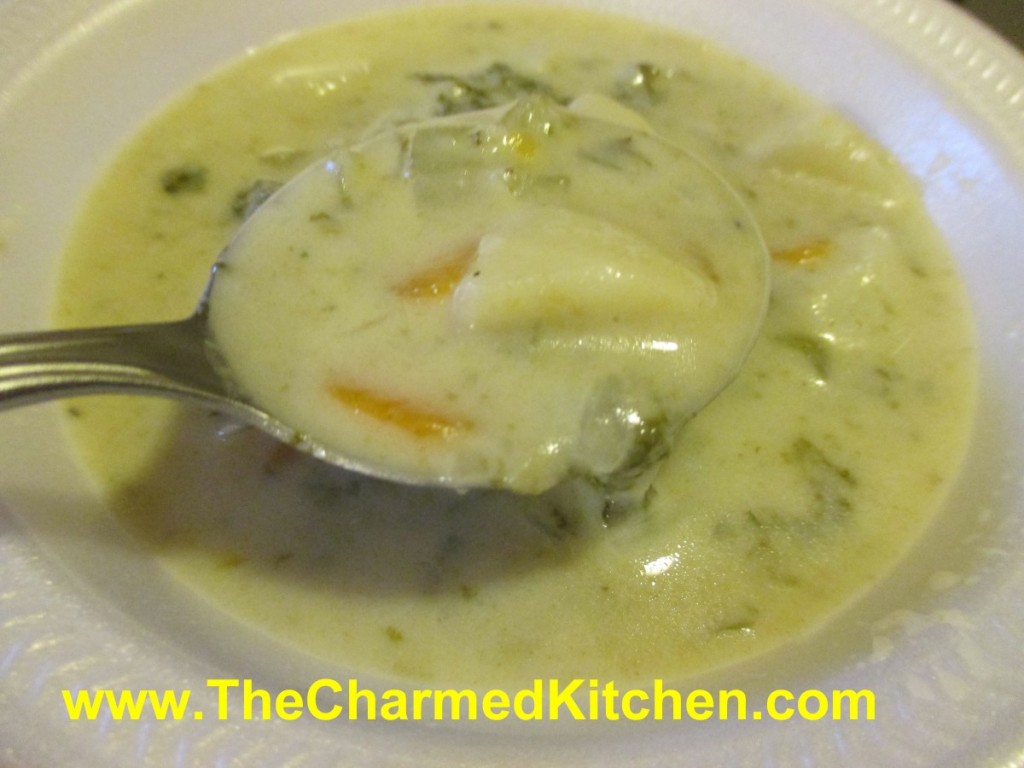
In soup pot sauté onions in oil until tender. Add vegetables, stock and 3 cups of the milk. Simmer, covered, until vegetables are tender, about 20 minutes. In a container with a tight fitting lid place the flour with the remaining milk and shake until mixture is smooth. Pour into hot soup and simmer 3-4 minutes. Use more or less flour depending on how thick you like your soup. Toss in sorrel, adjust seasonings and serve. Garnish with snipped chives, if desired. Serves 6-8.
Sorrel Pesto
1 c. tightly-packed sorrel leaves
½ c. olive oil
3 – 4 cloves garlic
salt to taste
½ c. pine nuts, sunflower kernels, pecans or walnuts, toasted preferred
1 c. fresh grated Parmesan cheese
Hot sauced to taste
Combine all ingredients in blender or food processor until smooth. Adjust seasonings. Use with chicken or fish. Sorrel Pesto is also good on potatoes, or tossed in a spinach salad with some wine vinegar. Great on grilled vegetables, too!
Sorrel Sauce
½ c. mayo
½ c. sour cream or Greek yogurt
½ c. fresh chopped sorrel leaves
2 T. minced green onion
1 T. chopped fresh parsley
2 t. fresh lemon or lime juice
salt and pepper to taste
dash red hot pepper sauce
This sauce is good with fish and chicken or on baked potatoes. You can also use it as a dip with veggies.
Fresh Strawberry Pie

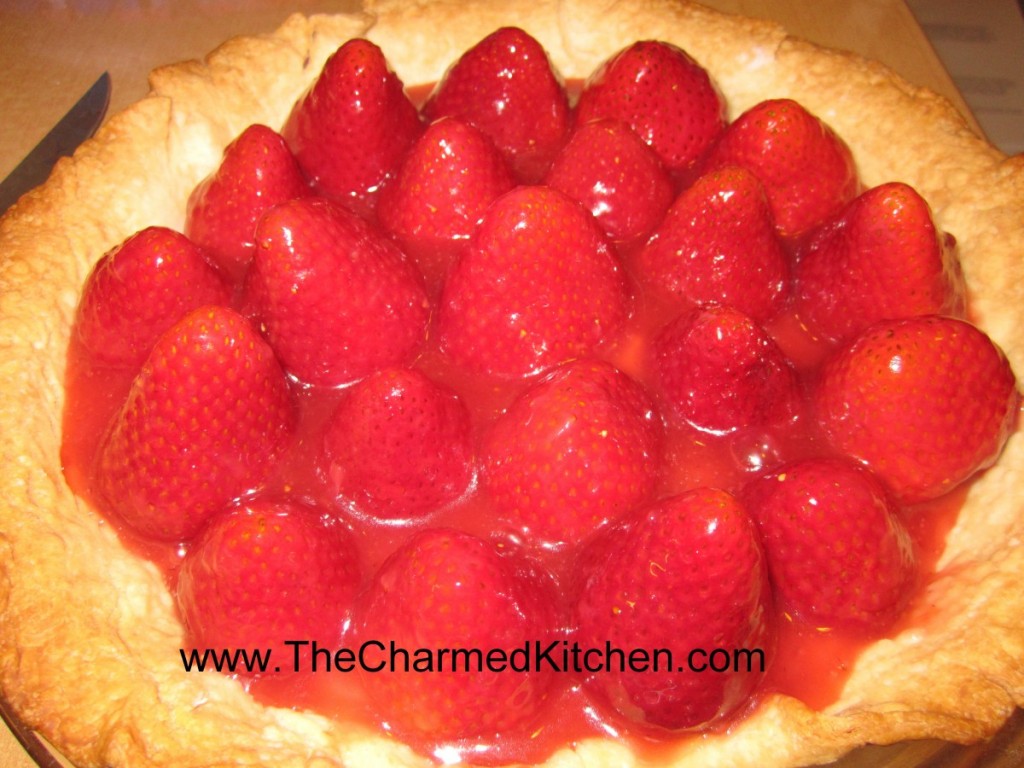
When I was a kid, there was a local restaurant known for its fresh strawberry pie. It became a favorite of mine back then, and strawberry pie is still a favorite. This pie is always a big hit. A flaky crust and a whole lot of fresh strawberries, topped with a glaze, is a winning combination.
A nice benefit, over most other pies, is that only the crust has to be baked- that takes just a few minutes- so you don’t need the oven on for very long and the house stays cooler. I used a homemade crust that really works for this particular pie. Directions for blind baking (pre-baking) the crust are included below, along with the recipe for the crust I used.
Fresh Strawberry Pie
1 (9-inch) pie crust, baked and cooled -recipe follows*
1 qt strawberries (1¼ lbs), hulled
1 c. sugar
2 T. cornstarch
¼ c. water
1 T. butter
4 oz. cream cheese
Whipped cream, optional
Select about 25-30 berries to be placed in pie crust, large side down and set aside. Puree or crush remaining berries. Place in a saucepan with the sugar and bring to a boil. Combine cornstarch with water and stir until smooth. Add to the strawberry mixture and cook, stirring constantly until mixture thickens and gets clear. Simmer about 5 minutes. Remove from heat and stir in butter. Set aside. Place cream cheese in a small bowl and mash with about a tablespoonful of the puree. Spread on the crust and arrange the reserved berries on the crust pointy side up. Put the largest berry in the middle and arrange the rest around it decoratively. Spoon the puree over the berries and allow the pie to cool down a little before putting in the fridge. Serve with whipped cream, if desired.
Note: other berries can also be used including raspberries, blackberries and blueberries, or a combination. This recipe can also be used as a filling for tarts and tartlets.
*What is blind baking?
Some recipes call for pre-baking the crust. Sometimes this is because the filling is either un-baked, like a fresh strawberry pie or very moist, like custard pie. Blind baking is placing foil on an un-baked crust and then weighing it down. Then the crust is baked either a little, or until done depending on what the recipe calls for. The weights, often dry beans or rice keep the crust from getting air bubbles in it when it bakes. >^..^<
How to blind bake (pre-bake) a pie crust
The prepared pie crust should be pricked all over with a fork. Cover the surface with foil and then pie weights. Pre-heat oven to 425-degrees. For a crust that is only being partially baked allow 15-20 minutes, but remove before the outer edges get brown. If the crust is to be fully baked remove it after 15-20 minutes. Remove weights and foil and return crust to oven for an additional 20 minutes, but watch carefully so it doesn’t over-brown.
Half and Half Dough**
This is a great crust for liquid fillings like custard type pies and fresh fruit pies.
¼ c. butter, room temp
½ c. shortening, room temp- you can use lard or chilled coconut oil instead
¼ c. sugar
½ t. salt
2½ c. pastry or all purpose flour
1/8 t. baking powder
¼ c. milk
1 t. lemon juice
Cream together the first 4 ingredients until smooth. Mix together the flour and baking powder. Set aside. Combine milk with the juice and set aside. Stir ½ c. of the flour into butter mixture. Stir until smooth. Add a little of the milk, stirring until smooth. Add remaining ingredients alternately until finished. Dough will firm up once chilled. Chill at least 4 hours before using. Makes 2 crusts.
** this recipe makes 2 crusts- which makes me think you should just make 2 pies. If you don’t want to do that- the other half of the dough will freeze well for a few months. Seriously though, just make 2 pies!!!
Lavender: Growing and Cooking With

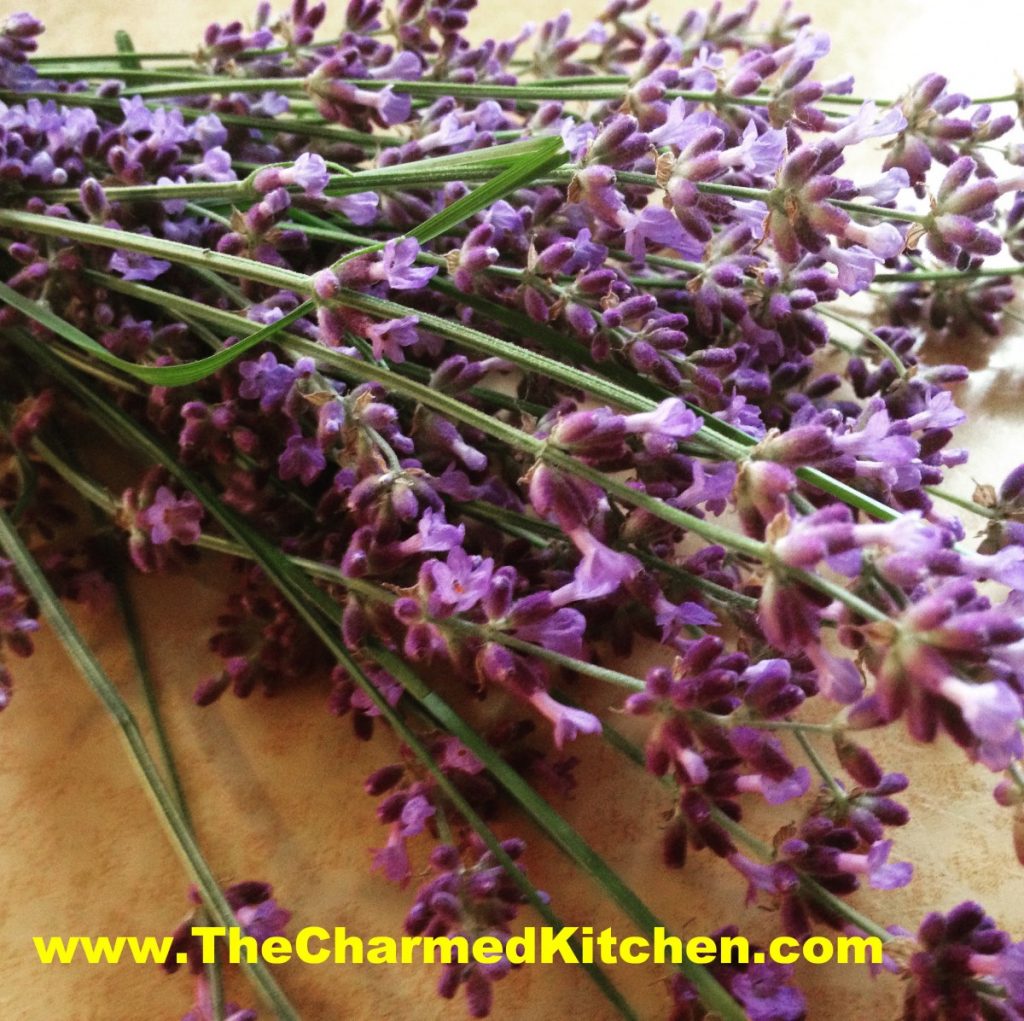
Lavender is such a joy to grow. Besides being a pretty plant, it attracts bees and deer don’t eat it! There are 2 main types of lavender you can grow in your garden, English or French. English lavender is a perennial; in northern climates, French lavender is an annual. Both require full sun and good drainage. Both can be started from seed, although English lavender is slow to germinate and can be a little tricky. Both types can also be started from cuttings and layering. There are many cultivars of both lavenders, although some may be difficult to find. An English lavender variety you may wish to try is Munstead, which grows to a height of 2′ and bears true lavender-colored flowers. Other varieties include Hidcote, with dark purple spikes; Alba, with white blooms; Jean Davis, with pink flowers; and Dutch with deep blue flowers. All are wonderfully scented. The foliage of French lavenders is greener than that of English types.
Lavender grows quickly once it is established, and can get quite tall in mild climates. French lavender can also be grown as a houseplant during cold winter months, and moved outdoors during the summer.
Lavenders are grown for their intoxicating fragrance. Some say that the smell of lavender can reduce headaches. The flowers are harvested just as they begin to open, and are dried on the stalk. These dried blooms can then be used in arrangements, or the blooms can be stripped from the stem and used in potpourri and sachet.
While the fragrance of lavender lends itself to all sorts of cosmetic uses, it is a wonderful ingredient to cook with, too. The secret is to use enough lavender to impart flavor, without having your food taste like soap. That can be a tricky balance.
Lavender is a traditional ingredient in Herbes de Provence, a French seasoning blend, often used with meats like lamb or pork. Lavender can be used for so much more. I love using lavender is sweet dishes, like shortbread and in syrups that can be added to cocktails. All the recipes are using lavender blossoms that have been harvested and then allowed to dry. You can use fresh blossoms, too.
Harvest blossoms before they are fully open, if you can. Cut them with at least a few inches of their stems attached. I tie them together in small bunches, hang them up. and allow them to air dry. Once dry, I strip the blossoms off the stems and store in an airtight jar. Store in a reasonably cool location.
So here is a compilation of some of my favorite lavender recipes. I hope you enjoy them as much as I do.
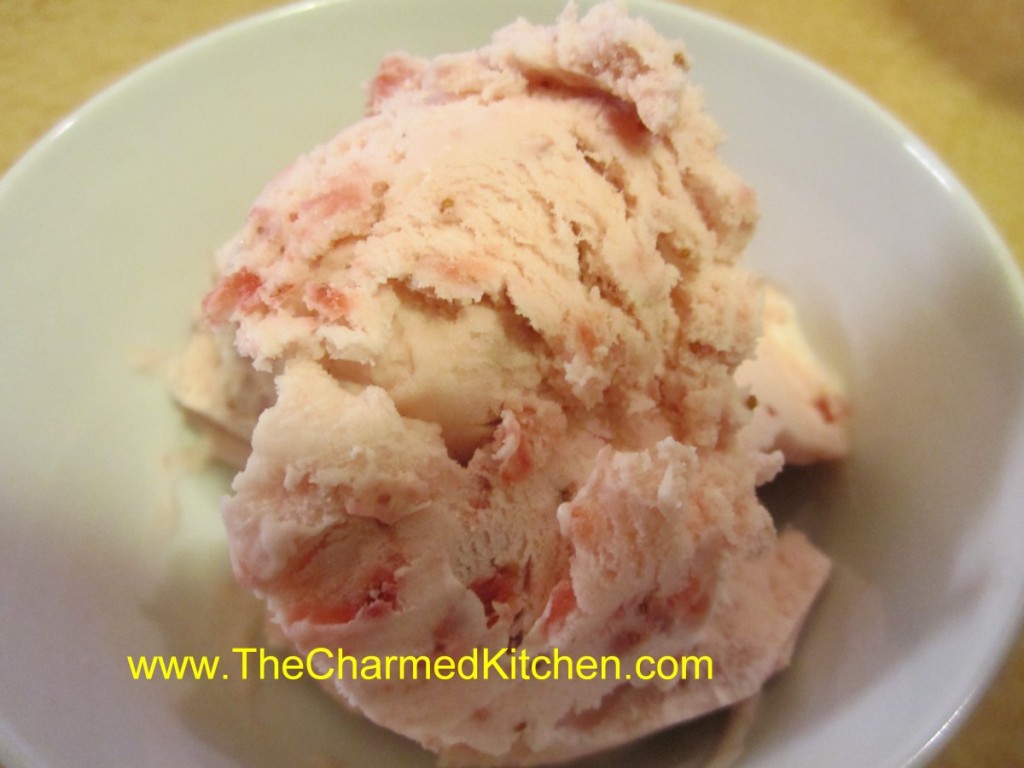
Strawberry and Lavender Ice Cream
2 c. chopped strawberries
1 c. sugar
1 T. lavender blossoms
1 T. vanilla
2 c. cream or half and half or a combination. You can also use some milk or even almond or rice milk.
Additional sugar to taste
Place strawberries, lavender, vanilla and sugar in saucepan and bring to a simmer, stirring occasionally. Remove from heat and chill. Combine chilled berry mixture with cream. Add additional sugar if you like. Remember that once it is frozen the ice cream will not taste as sweet so make this mixture a little sweeter than you want the final product to be. How much sugar you add varies with personal taste and how sweet the berries are. Place in an ice cream maker and process according to manufacturer’s directions. Once finished put in an sir- tight container and place in freezer. Makes about 1 quart.
Strawberry- Lavender Sorbet
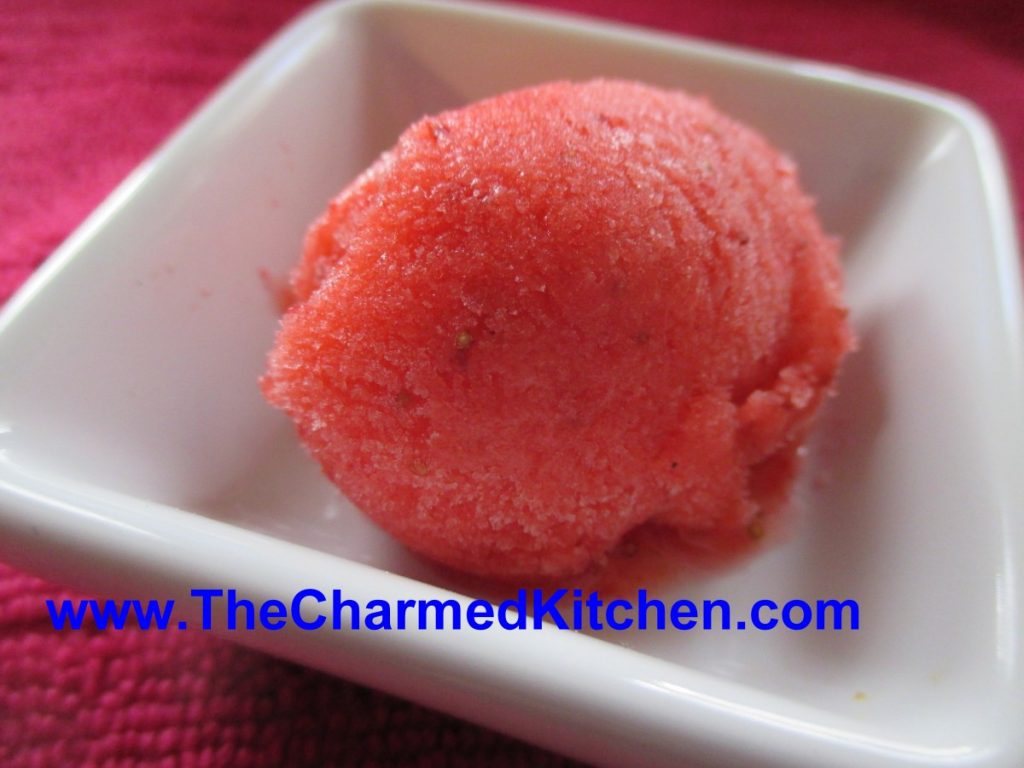
1 1/2 lbs strawberries
1/2 c. sugar, or to taste – you could also sweeten with honey, if you prefer, or use no sweetener
2-3 T. lavender syrup- recipe follows
Wash and stem berries. Place in food processor and blend until smooth. Sweeten to taste, stirring until sugar is dissolved. Place in a container with a lid and freeze. Once frozen, remove strawberry mix from freezer and sit it on the counter to soften a little bit. This is really the important part. You don’t want it to thaw, but you do want it soft just enough to break into chunks. Place chunks in food processor and blend it again, adding lavender syrup to taste. The liquid of the syrup also helps the sorbet to blend better. It will actually start to look a little creamy and lighter in color. You can serve it right away- or put it back in the freezer to serve later. At this point the sorbet is ready- but you can repeat the soften/process step once more, if you like, for even creamier sorbet. Makes 3-4 cups.
Lavender Syrup
¾ c. water
¾ c. sugar
1 tablespoon dried lavender buds
Combine sugar and water in a small saucepan. Add lavender and cook on low heat until sugar is dissolved. Bring to a boil and cook for 2-3 minutes, just until it starts to thicken a bit. Then set to the side to cool. Strain out the lavender and refrigerate. Yields just under a cup of syrup. Will keep in the fridge for weeks and weeks.
Another recipe using lavender syrup
Lemon Lavender Cocktail
2 oz. gin
1 ½ oz. lemon juice
1 ½ oz. lavender syrup (recipe follows)
splash of club soda
some ice
one lemon slice, for garnish
Pour gin, lemon juice and lavender syrup into a glass and stir. Top with club soda, add some ice and garnish with a lemon slice.
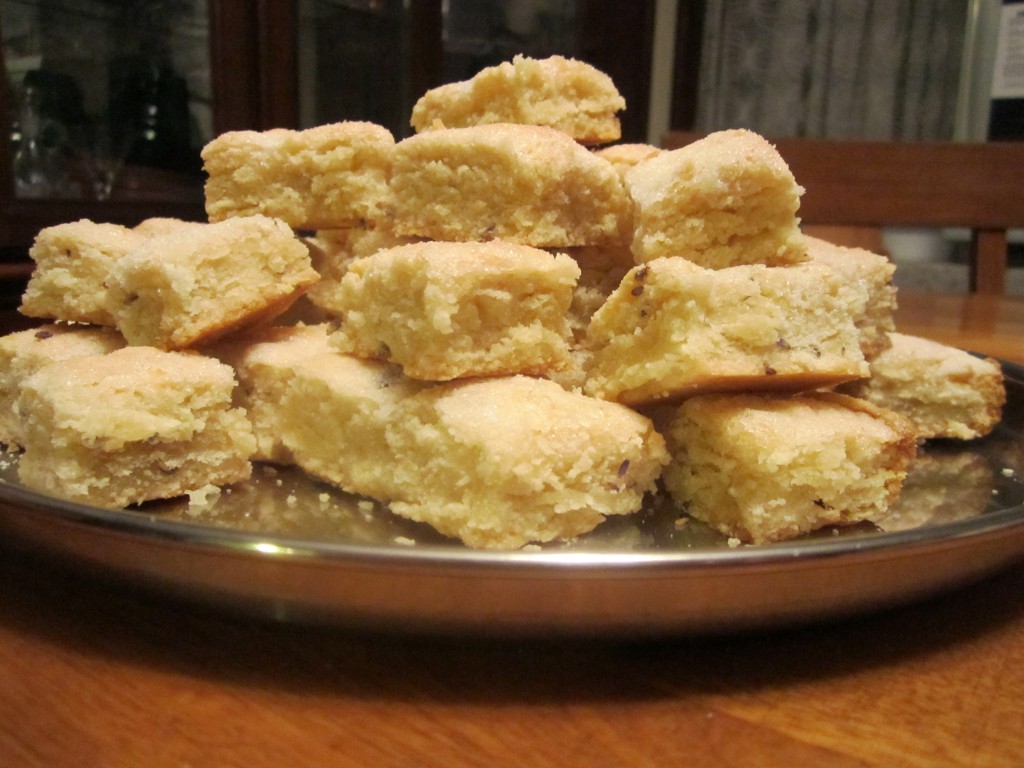
Lavender and Vanilla Shortbread
1 c. vanilla sugar, plus extra for sprinkling*
2 c. butter
4 c. flour
2-3 T. lavender blossoms
Cream together the one-cup of sugar and butter. Stir in the flour and lavender blossoms. Press mixture in to a greased 9×13 inch-baking dish. Cut or score into small squares, or on the diagonal for diamond shapes. Sprinkle with extra sugar and bake in a preheated 300-degree oven for 50-55 minutes or until lightly browned around the edges. Re-cut the squares as soon as you remove the shortbread from the oven. Cool before removing from pan. Make about 100 small squares.
* If you don’t have vanilla sugar just use granulated sugar and add 2 teaspoons of vanilla extract to the dough.
Making Vanilla Sugar
Some specialty stores sell vanilla sugar and it is expensive. I find it easy to just make my own. Vanilla sugar can be used in baking or to top desserts, in tea, and other drinks. I love to sprinkle vanilla sugar on sugar cookies and on muffins, too.
I buy vanilla beans by the pound online and use them in cooking and to make my own vanilla extract.
To make vanilla sugar just cut vanilla beans in half lengthwise and then into 1 inch pieces. Place granulated sugar in a jar and add the vanilla beans. Cover jar and shake once in awhile. The sugar is fragrant in about a week but will get stronger the longer it sits. I use one vanilla bean per cup of sugar. You can add more sugar to the jar as you use it. The beans will continue to flavor new sugar added to the jar for some time.
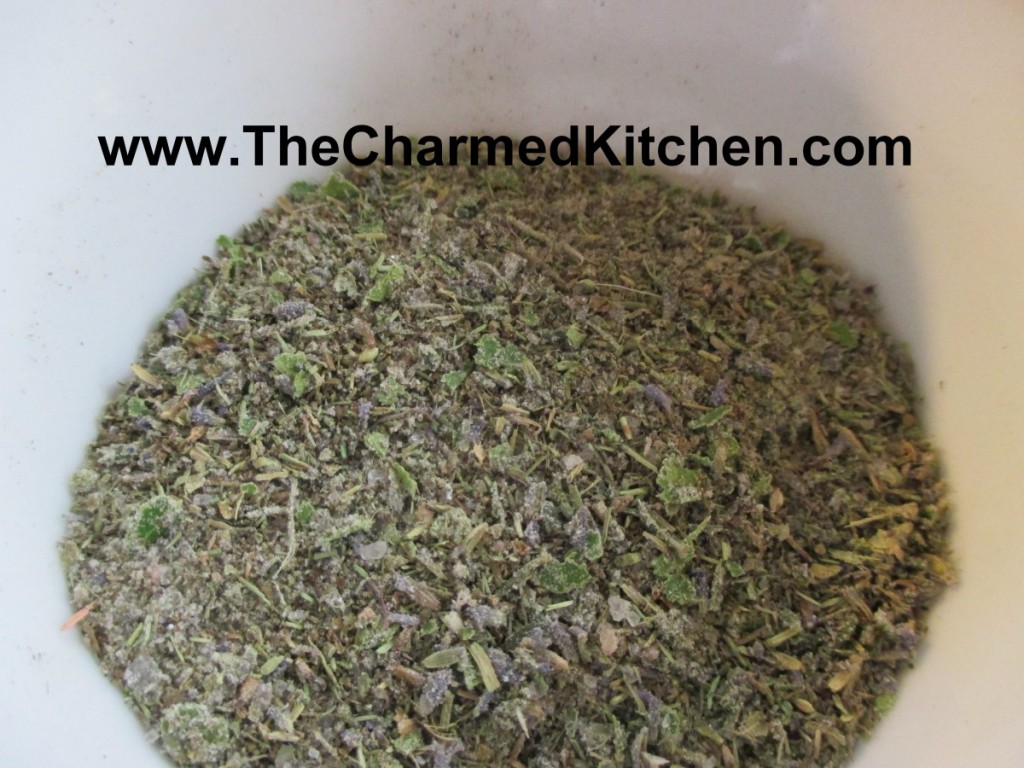
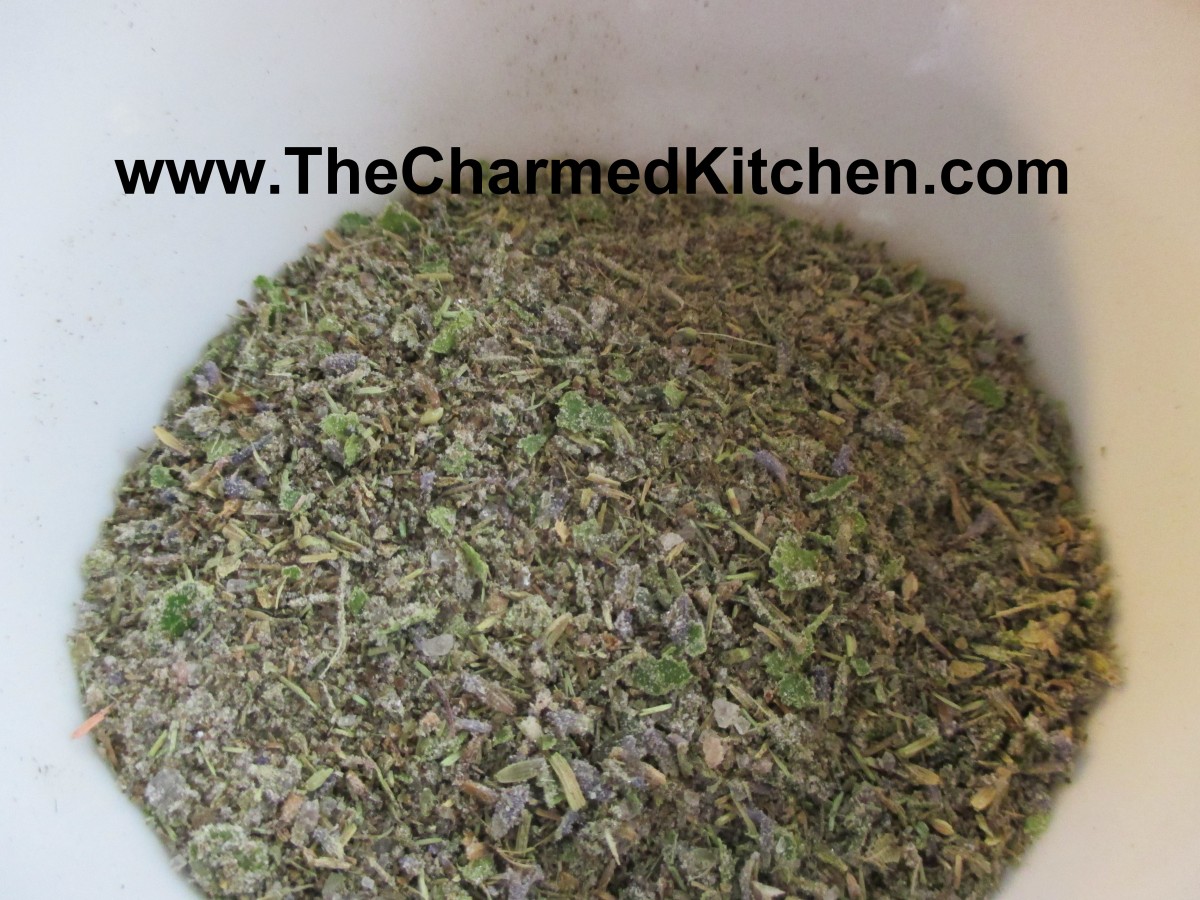
I make my own herb and spice blends often, because it gives me control over what I put in it. I also grow a lot of herbs, so it just makes sense. You can use dried or fresh herbs in this recipe. If you are using any fresh herbs, then store your mix in the freezer.
1 T. thyme, or 2 T. fresh
1 T. rosemary or 2 T. fresh
1 T. savory or 2 T. fresh
2 t. basil or 2 T. fresh
1 t. lavender or 1 T. fresh
2 bay leaves
Blend fresh or dried herbs until bay leaves are powdered. Rub this mixture on grilled meats, roasts, chicken, or fish. If using fresh herbs, make small amounts and freeze what is unused.
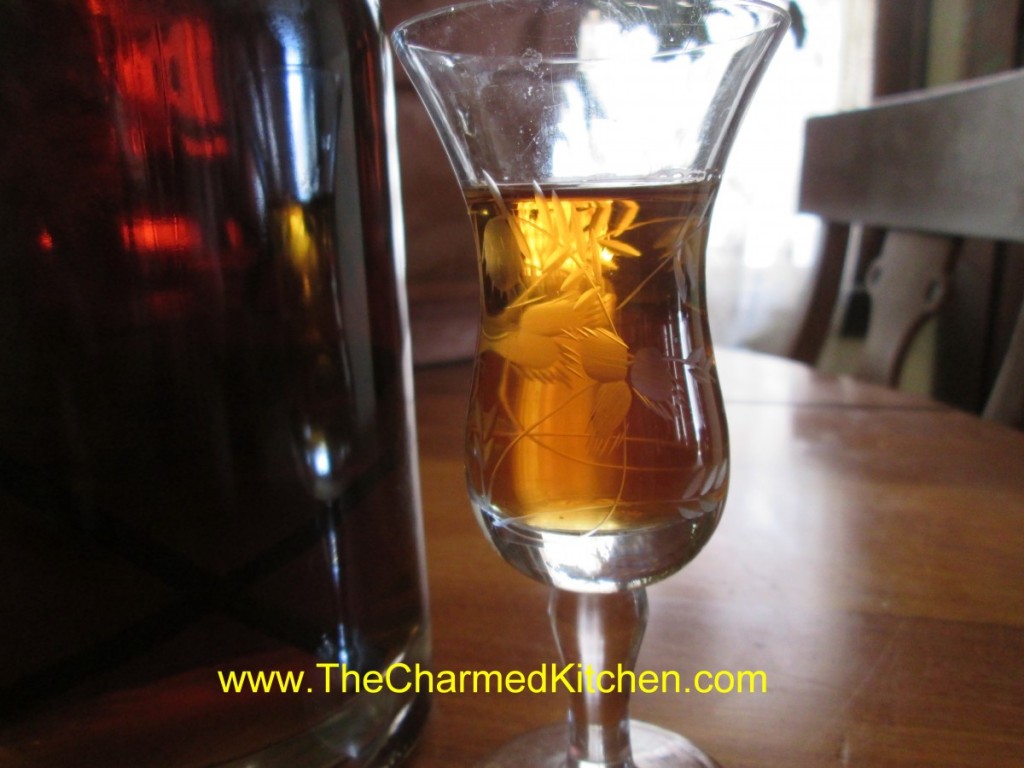
I started by combining 2 cups of lavender blossoms with about 4 cups of vodka in a large Mason jar. These were dried blossoms from last year’s harvest. I put the lid on the jar and let it steep together for a few weeks. After a few weeks I strained out the blossoms. Then I poured the mixture through a strainer lined with a coffee filter to get out any fine particles so my end product would be clear. I had expected the mixture to be a lavender color. It ended up a pretty honey brown color instead. It also had a very strong fragrance and flavor of lavender. Quite pleasant.
After tasting the lavender vodka I decided to add sugar to the mixture. I made a cup of sugar syrup by combining one cup of sugar with 1/2 cup of water in a small pot and brought it to a boil. This gave me a cup of sugar syrup. Once the sugar syrup cooled to room temp I added it to the lavender vodka and allowed this to mellow for another week.
The odd thing was that at first the sugar syrup and lavender vodka would not blend. The sugar syrup settled to the bottom of the bottle. No amount of stirring and shaking seemed to matter. I’d all but given up when a friend was over and tipped the bottle a few times. Amazingly it finally combined. On the advice of another friend I decided to add a couple of vanilla beans as well. The flavor is pretty interesting.
Lavender Vinegar
It’s easy to make. Just add 2 cups of vinegar for every cup of blossoms. If you are using dried flowers use 1/3 cup for every 2 cups of vinegar. Store in a cool, dark place in a container with a tight-fitting lid.Steep for at least 2 weeks- or longer.
Be sure to use vinegar that is 5% acidity- it will say that on the label. I like to use white wine vinegar, red wine vinegar or cider vinegar.
Homemade Chocolate “Magic” Shell



I used to love getting a chocolate-dipped ice cream cone when I was a kid. I still do.
The ice cream shop near my house had them. I watched as the soft serve was swirled onto the cone, then turned upside down and dipped into a vat of melted chocolate goodness. Like magic, the chocolate hardened, and made this lovely, crisp shell.
Then they came out with the squeeze bottles of the stuff. Just a drizzle onto your ice cream and the chocolate hardened like, well, magic.
There are a lot of recipes out there for “magic” shell. I tried a few. All tasted fine, but some just worked better than others. I played around and found the mix that worked best for me.
You store it at room temp, then drizzle on ice cream. In a few seconds, it hardens up.
It is very easy to make- just three ingredients. So easy- so good.
Homemade Chocolate Magic Shell
1 c. chocolate chips- I used dark chocolate chips
3/4 c. coconut oil- I used the unrefined
1/2 c. powdered sugar
Heat all together until melted. I melted mine in a microwave for 1 minute, but you could also melt over a double boiler. Stir until smooth. Store at room temp. To use, drizzle over ice cream, wait about 10-20 seconds- and it will harden.